
How to Preview Your Home Renovation Before Spending A Dime
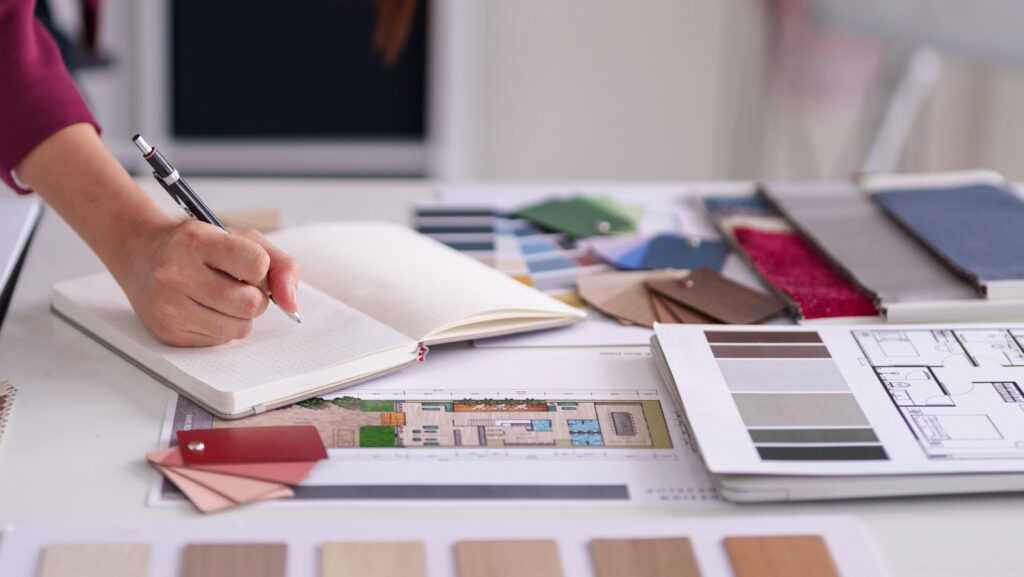
Home renovations frequently begin with excitement. New colors, improved lighting, greater space, and a fresh appearance. However, it is not without its uncertainties. A tile that seemed perfect in the showroom feels too dark after installation. Furniture that appeared tiny now dominates the room. A layout that succeeded on paper does not feel natural in real life.
These flaws are rarely the result of bad taste. More typically, they occur when decisions are made without considering how everything works together. Samples, drawings, and mood boards depict distinct aspects but do not provide a complete image. And once money is spent, mistakes are costly.
That is why more homeowners are seeking ways to preview their renovations before committing to them.
Why Renovation Decisions Are Difficult to Get Right
Most folks don’t renovate frequently. It’s not a procedure we use on a regular basis, so scale, proportions, and flow are all susceptible to error. A space is more than simply walls and furniture; it’s about light, movement, and how everything works together throughout the day.
Common renovation regrets typically fall into the following categories:
- Rooms feel smaller than imagined
- Furniture that does not fit comfortably
- Lighting that appears harsh or uneven
- Layouts that disrupt natural movement
These challenges are difficult to forecast solely through imagination. Even thorough drawings cannot entirely capture how a space will feel after it is completed.
Seeing the whole space rather than individual choices
One of the most difficult issues in home planning is that decisions are frequently made in isolation. The paint colors are chosen separately from the furnishings. Flooring is chosen without considering how it interacts with lighting. Fixtures are chosen based on style, not size.
The issue isn’t the choices themselves, but the lack of context. When you can see an area as a whole, decisions become easier. You stop predicting how elements could interact and begin evaluating how they actually do. This change alone can avoid many frequent renovation blunders.
Digital previews can help homeowners plan better

Today’s digital planning tools enable homeowners to see rooms before construction or purchasing begin. Instead of using flat sketches or mental images, it is feasible to see a realistic portrayal of a room that incorporates layout, materials, and lighting.
Using 3D rendering services throughout the planning stage allows homeowners to visualize different options before making final decisions. This does not substitute professional advice or on-site measurements, but it does provide an important level of clarification.
Seeing a room beforehand makes it easier to:
- Understand dimensions and scale
- Test multiple layout options
- Compare materials with realistic lighting
- Identify potential concerns early
- Most critically, it lowers uncertainty
Making Better Choices About Layout
Layout has a greater impact on how a room performs than any individual design feature. Where furniture is placed influences how people move, where they pause, and how comfortable a space feels.
When layouts are developed visually, it is easier to see flaws that are difficult to detect on paper. A pathway that appears large enough on paper may feel cramped in reality. A seating area could block natural light. Storage may appear to be easily accessible, but it is uncomfortable to use.
Previewing numerous layouts allows homeowners to choose arrangements that enhance rather than disrupt their daily lives.
Knowing the Size Before You Buy Furniture
People often regret remodeling their homes because of their furniture. A couch that looks great online might be too big for the room. There might not be enough room to move around comfortably at a dining table.
You can avoid these mistakes by seeing furniture in context. When you look at pieces in a full room instead of one at a time, you can see how big they are. This makes it easier to figure out what fits, both in terms of size and looks.
It also helps homeowners figure out what they really need to buy and what they can change or use again.
Lighting Can Make or Break a Room
People often don’t think about lighting enough when planning a renovation. During the day, a room that feels bright and welcoming may feel flat or uncomfortable at night. People don’t usually get the mood they want with just overhead lighting.
Homeowners can see how light affects colors, materials, and furniture by previewing different lighting scenarios. It’s easier to figure out where to put softer lighting, where to put accents, and where to control the brightness.
This is especially helpful for rooms like living rooms, kitchens, and bedrooms, where the lighting needs to change during the day.
Saving Money by Not Having to Do Work Again
Big changes don’t usually make the cost of renovations go up. They get worse because of small changes that were made too late. It doesn’t take long for things like painting walls, replacing furniture, or changing the lighting to add up. Using solutions such as storage saint clair shores can help protect belongings during renovations,preventing damage or the need for unnecessary replacements.
When judgments are visually tested first, less modifications are required later. Problems are addressed when they are still manageable and inexpensive to remedy. This method not only saves money, but it also relieves stress.
Knowing what to expect makes the renovation process feel more manageable.
Plan with Confidence Rather than Guesswork
Perhaps the most important benefit of previewing a makeover is confidence. Instead of hoping that a room would work, homeowners can make selections based on their observations.
This confidence can help with:
- Commit to design choices
- Communicating ideas with contractors
- Setting realistic expectations
- Keeping within budget
Misunderstandings are less frequent when everyone involved knows what the end result will be.
Who Benefits the Most From Visual Previews?
While everyone planning a refurbishment can benefit, visual previews are particularly useful for:
- Open-plan settings where flow is important
- Rooms with little square space
- Homes with odd layouts
- Big renovations involve several adjustments
In these circumstances, the cost of ambiguity is larger, so early clarity is much more crucial.
Final Thoughts
Home renovations do not have to be a gamble. While no tool can guarantee perfection, visualizing a room before committing to it can significantly enhance decision-making.
Homeowners can make more educated decisions by evaluating layouts, furnishings, and lighting ahead of time. The end result is not only a more visually appealing environment, but also one that feels comfortable to live in.
Finally, the purpose of refurbishment isn’t to follow trends or produce something outstanding on paper. The goal is to create a functional home that is comfortable, practical, and free of unwanted surprises.
About The Author

 Kenneth Stevenson’s Interior Design Articles
  Your Complete Guide to Building a Healthier Room for Better Sleep
  Make Your Bathroom Pop: Quick, Funky Curtain Ideas To Rescue Boring Spaces