
Client-Ready Tiny House Offices: Professional Design Tips
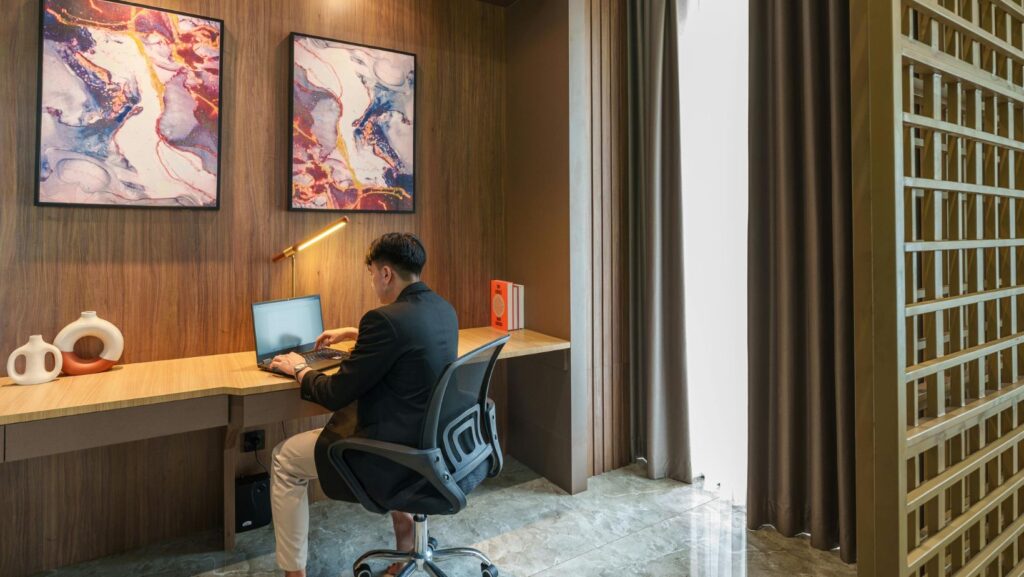
The way people work has changed dramatically. More professionals are ditching traditional office spaces and creating dedicated work areas closer to home. A tiny house office solves multiple problems at once—it separates work from personal life, costs less than renting commercial space, and can be customised exactly how you need it.
When clients visit your workspace, they form quick judgments about your professionalism. A thoughtfully designed tiny office sends the right message without requiring a massive investment or taking over your entire property.
Making First Impressions Count
The client experience starts before anyone walks through the door. How people approach and enter your workspace sets the tone for everything that follows.
Getting the Entrance Right
A separate exterior entrance makes a huge difference in any tiny house office setup. Clients can access your office directly without walking through your home, which keeps things professional and protects your privacy. Even adding a simple pathway with good lighting creates a more polished arrival experience.
Inside your tiny house office, think about flow. A small waiting area with a comfortable chair and decent lighting shows clients you’ve considered their comfort. This doesn’t need much space—even a corner works—, but it makes people feel welcome rather than like they’re interrupting your day.
Where you position your desk matters too. Facing the entrance lets you greet visitors naturally and maintain good eye contact during conversations. Some people prefer facing a window for natural light, which can create a more relaxed vibe for consultations.
Furniture That Pulls Double Duty
Office pod tiny houses need smart furniture choices. Built-in desks provide stability and don’t eat up floor space. L-shaped desks fit neatly into corners while giving you plenty of work surface.
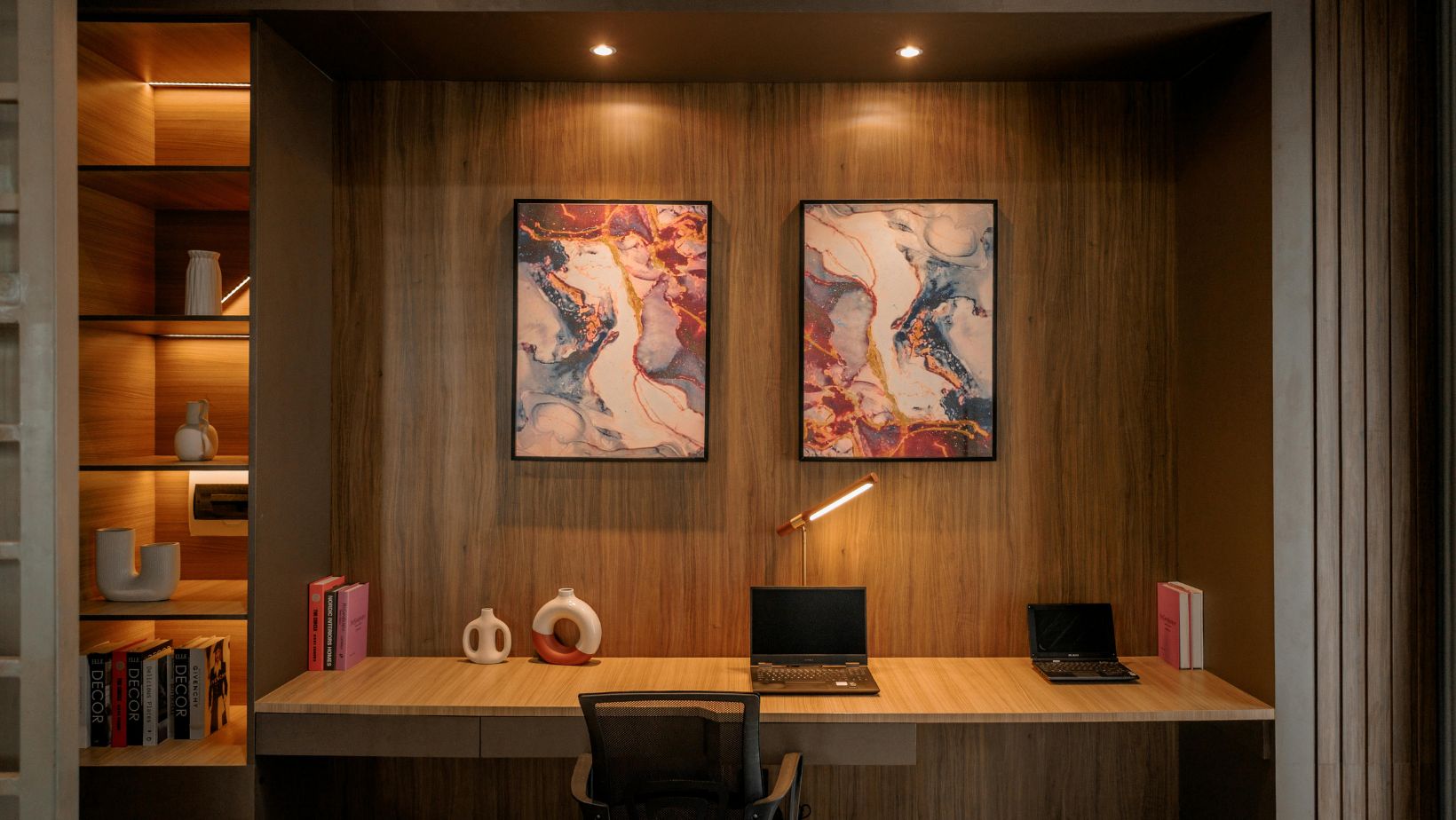
Consider these space-saving options:
- Murphy desks that fold away when not in use
- Wall-mounted surfaces that keep floors clear
- Storage ottomans that serve as seating and hide supplies
- Corner shelving that uses otherwise wasted space
Vertical storage in your tiny house office keeps things organised without crowding the room. Floor-to-ceiling cabinets and floating shelves hold what you need while maintaining clean sightlines. Keep clutter hidden behind closed doors, and only display a few items that reflect your professional identity.
Creating the Right Atmosphere
A tiny house as office needs to feel calm and focused. The colours, lighting, and textures you choose affect how both you and your clients experience the space.
Colours That Work
Stick with blues, greens, or greys for a professional feel that doesn’t overwhelm. These colours promote focus and make small spaces feel larger. Lighter shades especially help compact rooms feel more open and airy.
Avoid using too many colours or busy patterns. Pick two or three complementary shades and stick with them throughout the space. This creates visual harmony and signals attention to detail—something clients notice and appreciate.
Lighting Makes the Difference
Natural light transforms any workspace. Position your desk near windows, but angle it to avoid screen glare. If harsh afternoon sun is an issue, adjustable blinds or sheer curtains help diffuse light while keeping the space bright.
Layer your artificial lighting:
- Overhead fixtures for general brightness
- Desk lamps for focused work areas
- Under-cabinet strips for ambient lighting
- Adjustable spotlights for flexibility
Dimmer switches let you adapt the mood. Bright light works for detailed tasks and energetic meetings, while softer lighting suits informal discussions.
Controlling Sound
Privacy matters when working with clients. Acoustic panels absorb echoes and improve sound quality during video calls. Modern panels look attractive and work as decorative elements while improving acoustics.
Even in a compact backyard setup, investing in proper workplace acoustics solutions for businesses ensures confidential conversations stay private and your office sounds as professional as it looks. Poor sound control can undermine an otherwise polished space, especially during client meetings or virtual presentations.
Solid-core doors block sound better than hollow ones. Weatherstripping around doors and windows reduces noise from outside and improves energy efficiency. If your tiny house office sits near neighbours or busy streets, these additions make a real difference.
Tech and Comfort Essentials
Modern work demands reliable technology, but visible cables undermine professional presentation. Cable management systems keep power and data lines organised and hidden. This prevents the messy “tech nest” look that can make otherwise tidy offices feel chaotic.
Staying Connected
Internet reliability can’t be compromised. Position your router centrally or install a mesh network for strong connectivity throughout the space. If your work involves video conferencing or large file transfers, wired Ethernet connections provide more stability than WiFi alone.
Smart technology can help without adding clutter. App-controlled lighting adjusts throughout the day. Smart thermostats maintain comfortable temperatures. Just make sure any voice-activated assistants suit your professional image before adding them.
Supporting Your Body
Long work hours require proper support. Adjustable chairs with lumbar support prevent back pain and suit compact spaces better than bulky executive seating. Height-adjustable desks or monitor arms let you change positions throughout the day, reducing fatigue.
Monitor positioning affects both comfort and how you look on video calls. Eye-level placement prevents neck strain and creates better camera angles. External keyboards and mice allow proper arm positioning regardless of laptop screen height.
Thoughtful Final Touches
Small details separate adequate tiny house office setups from impressive ones. A compact coffee maker or electric kettle lets you offer refreshments during meetings. This simple gesture makes lengthy sessions more comfortable and extends conversations naturally.
Consider these client-focused additions:
- Water carafe with glasses
- Tissues within easy reach
- A surface for clients to place belongings
- Temperature control options, like a quiet fan
If your office sits far from your main home, a small bathroom becomes nearly essential. This prevents awkward interruptions and makes longer workdays practical.
Keeping It Professional
Plants add life while improving air quality. Choose low-maintenance varieties like succulents, snake plants, or pothos that thrive in various conditions and need minimal attention.
Décor in your tiny house office should be intentional. A few carefully chosen items—framed credentials, industry awards, or tasteful artwork—establish credibility without creating clutter. Books related to your field demonstrate ongoing learning and can serve as discussion points.
Keep surfaces mostly clear. A cluttered desk suggests disorganisation, regardless of how well your system actually works. Designate specific homes for frequently used items and return everything to its place daily.
Wrapping Up
Creating a client-ready tiny house office requires thoughtful planning and smart investments, but the returns make it worthwhile. Enhanced credibility, improved productivity, and the satisfaction of working in a purpose-built space all contribute to professional success.
The key is maximising every inch to support both daily needs and professional image. Whether you choose office pod tiny houses that can move with you or a permanent backyard structure, the result is a space that impresses clients while keeping work separate from home life. Size doesn’t determine success—thoughtful design does.
About The Author

 Kenneth Stevenson’s Interior Design Articles
  Your Complete Guide to Building a Healthier Room for Better Sleep
  Make Your Bathroom Pop: Quick, Funky Curtain Ideas To Rescue Boring Spaces