
How to Plan Exterior Lighting for Safety and Style
We spend almost $3 billion on home lighting upgrades each year, and as homeowners shift their focus from interior renovations to curb appeal, the exterior takes priority. Most people start by buying a few solar stakes and hoping for the best, but a professional result requires a more tactical approach to placement.
Planning your exterior lighting isn’t just about brightness. It is about defining the boundaries of your property while ensuring every step taken after dark is a safe one. You need to look at your home as a series of layers rather than a single wash of light.
The Logic of Exterior Light Mapping
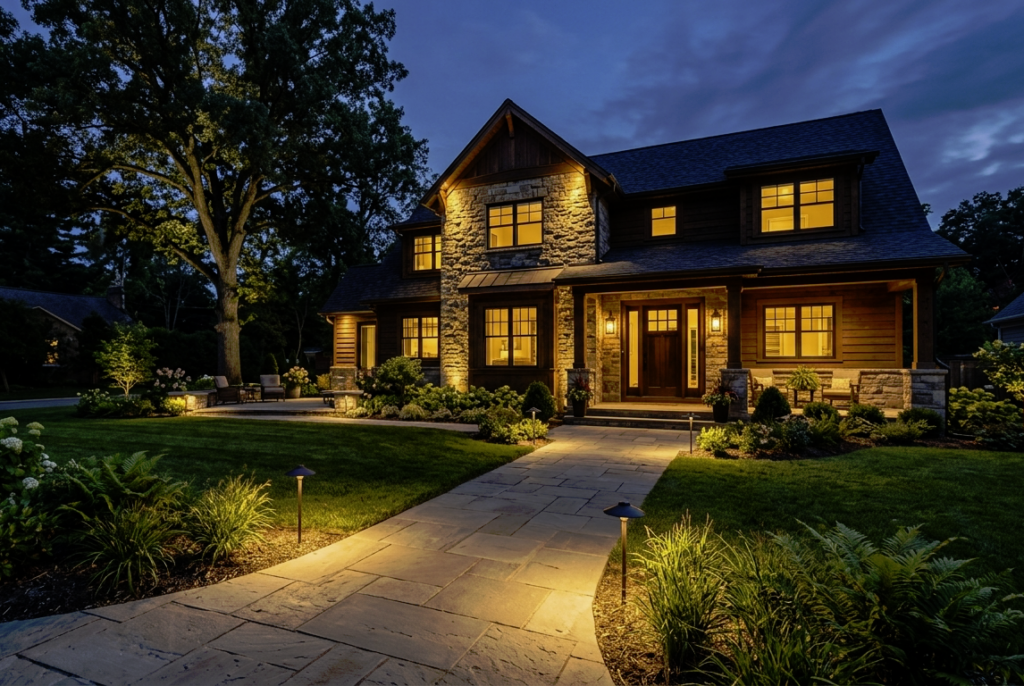
The first step in mapping your layout involves identifying the high-traffic zones and the architectural features that deserve a spotlight. Newly resurfaced driveways, porch steps, and side paths are the functional priorities that demand consistent visibility to prevent trips or falls.
Once the safety requirements are met, you can pivot to the aesthetic elements, such as mature trees or unique stone textures on your facade. A well-lit home feels larger and more welcoming because the eye is drawn to the furthest edges of the property.
Strategic placement avoids the common mistake of over-lighting, which creates harsh shadows and annoying glares for your neighbors. Think about how the sun hits your house during the golden hour, and try to replicate that soft, directional glow with artificial means.
It takes time, but as the plan evolves, professional design creates lasting value. By treating your yard as an extension of your living room, you create a seamless transition that works just as well for a quiet Tuesday night as it does for a weekend gathering.
Finding the Balance Between Safety and Style
Security lighting used to mean installing a massive, blinding floodlight that made your backyard look like a prison yard. Modern design has moved toward a more nuanced approach where safety is integrated into the style of the house.
Path lights should be spaced so the pools of light slightly overlap, creating a continuous guide for the feet without turning the walkway into a runway. When you choose house lighting from Inline Lighting, you gain access to fixtures designed to withstand the elements while maintaining a high-end look. That’s why it’s worth picking a supplier with a reputation for quality, rather than cutting corners in this area.
Effective security lighting focuses on eliminating hiding spots near entries without ruining the ambiance of your patio or deck. Motion sensors are excellent tools for this because they provide light only when it is actually needed, saving energy and alerting you to movement.
You can also utilize “moonlighting” techniques, where fixtures are placed high in trees and angled downward to mimic natural moonlight. This creates a soft dappled effect on the ground that provides enough visibility for safety while keeping the atmosphere relaxed.
To get the most out of your installation, consider these three core components for your plan:
- Pathway fixtures should be placed at least six feet apart to avoid a cluttered look
- Step lights must be recessed into the risers to illuminate the tread of each stair
- Wall lanterns should be mounted at eye level to provide a warm welcome at the door
When these elements work together, they create a cohesive environment that feels intentional. A house that looks “expensive” at night is usually just one that has been lit with a clear understanding of contrast. You want to highlight the best parts of your architecture while letting the less attractive utility areas fade into the darkness, so plan the zones, check the angles, and remember that great lighting changes everything.
Mastering Lumens and Color Temperature
Understanding the technical side of bulbs is what separates a DIY project from a professional-grade installation. Lumens measure the total amount of visible light emitted by a source, and using the wrong amount can either leave you in the dark or wash out your landscaping.
For paths and garden beds, lumens should stay between 100 and 200 to maintain a soft glow that doesn’t overwhelm the senses. Floodlights for driveways can go much higher, often reaching 1000 lumens, but these should always be aimed away from windows.
Color temperature is equally important because it dictates the “mood” of your home after the sun goes down. Most experts suggest a warm white light, typically around 2700K to 3000K, for residential exteriors to mimic the classic look of incandescent bulbs, making wood and brick look rich and inviting. Cooler blue lights can make a home look clinical or cold, which usually detracts from the curb appeal you are trying to build.
Consistency across your different zones is the secret to a professional finish. If your porch lights are warm yellow but your path lights are cool white, the visual disconnect will be jarring to anyone approaching the house.
Stick to one temperature for the entire front of the property to ensure the various layers of light blend together smoothly. Pick a tone, maintain the heat, and a consistent color creates visual harmony. It is these small details that determine whether your lighting feels like an afterthought or a primary feature of your home design.
Designing for Your Specific Property
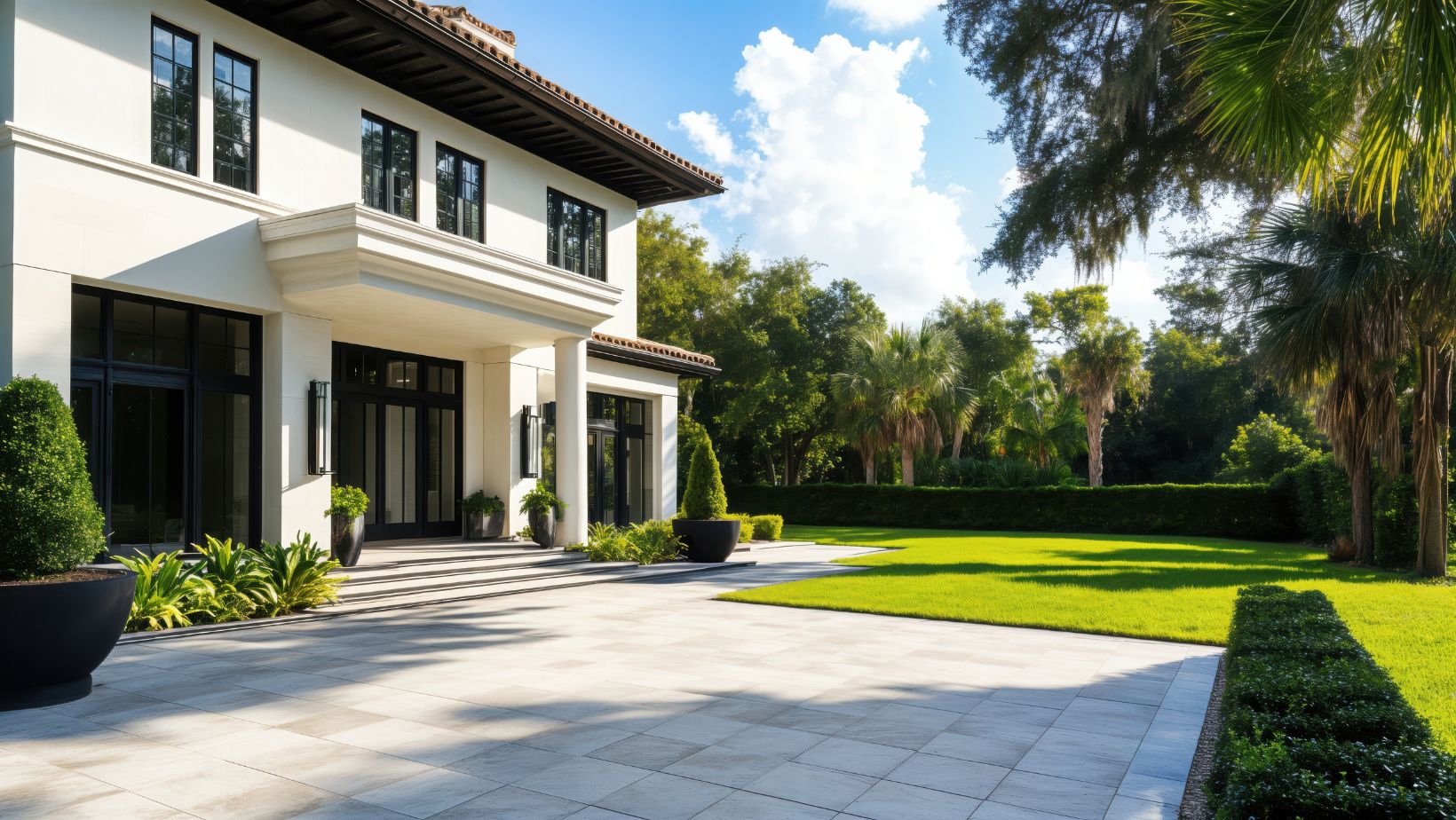
Every lot is different, and your lighting plan should reflect the specific geography of your yard. If you have a long, winding driveway, you might need more powerful bollard lights than someone with a short path to the sidewalk.
Low voltage systems are generally the best choice for homeowners because they are easier to install and much safer to work with than standard line voltage. You can bury the cables just a few inches under the soil without needing heavy-duty conduits.
Consider the concept of “light trespass”, which is when your lights spill over into your neighbor’s yard or windows. Being a good neighbor means using shielded fixtures that direct light downward where it is needed rather than out toward the street.
This is also part of a larger movement toward dark sky compliance, which aims to reduce light pollution so we can still see the stars. A well-designed system illuminates your property perfectly while keeping the rest of the neighborhood dark and peaceful.
Your exterior lighting is a long-term investment that pays off every time you pull into your driveway after dark. It provides the peace of mind that comes with a visible perimeter and the pride that comes with a beautiful home. Start with the basics of safety and then gradually add the layers of style that make your property stand out.
If you are interested in more ways to enhance your home’s exterior, you can learn about modern fixture styles on our blog and discover a range of content catered to house-proud people nationwide.
About The Author

 How to Choose the Perfect Brass Finish for Your Door Handles
  How To Find Diamond Curb Lining Deals on RapidomeDirect: 2026 Shopping Guide
  Why Businesses Need to Do More than Just Renovate Their Offices