
How to Tell When Your Roof Needs to Be Replaced (Not Just Repaired)
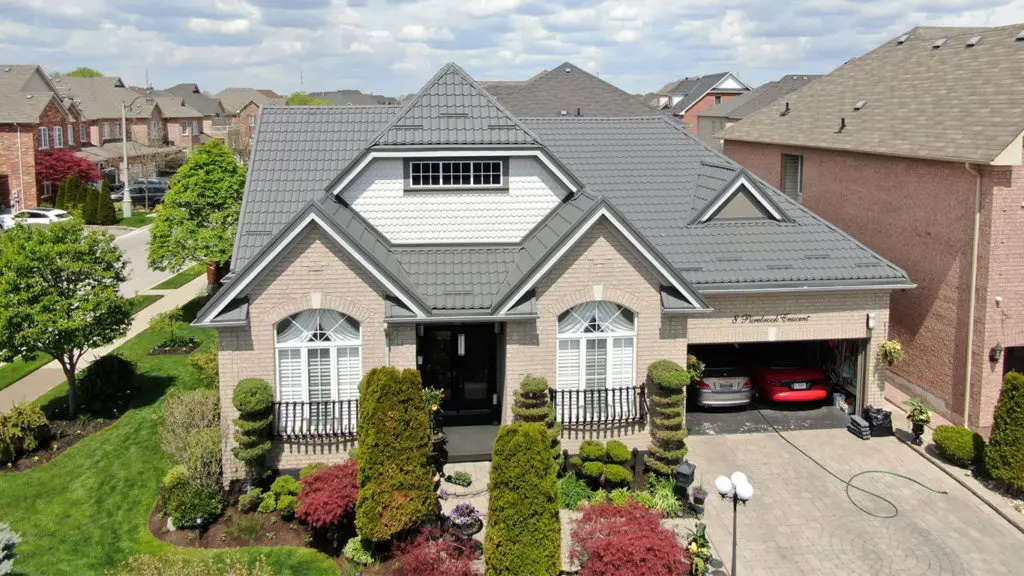
Most homeowners call a roofer when they see a water stain on the ceiling. That’s already late. The real question isn’t whether something is wrong — it’s whether fixing the thing that’s visibly wrong will actually solve the problem, or just delay the next bill.
The First Clues Are Hiding in Plain Sight
A roof doesn’t announce its retirement. It just starts failing quietly, one granule at a time. Asphalt shingles — which cover roughly 80% of homes in North America — are designed to last 20 to 30 years depending on the grade. Most roofs being replaced today, however, were only about 19 years old when pulled off. That gap between rated lifespan and actual replacement age tells a story about deferred maintenance and slow-building damage nobody noticed in time.
For homeowners thinking about materials with a longer track record, options like MROOF metal roofing in Mississauga represent a different calculus entirely — metal roofs typically last 40 to 70 years, which reframes the repair-or-replace question for decades at a stretch. Their lineup runs from standing seam panels to metal shingles and tile profiles, all steel-based systems built for longevity rather than patchwork maintenance cycles.
The early warning signs worth knowing:
- Granule loss on asphalt shingles — gutters filling with sand-like grit means the UV-protective layer is gone. Once that coating is stripped, shingles degrade fast.
- Curling or cupping at shingle edges — heat and moisture damage working from below, not above.
- Visible daylight in the attic — if light gets in, so does water.
- Sagging deck sections — the structural layer beneath the shingles is compromised. This is no longer a surface problem.
What Different Materials Are Actually Promising You
Not all roofs age the same way, and the math on repair versus replacement shifts entirely depending on what’s up there. Understanding the expected lifespan of your material is the baseline — everything else is context.
Here’s how the most common materials stack up:
- 3-tab asphalt shingles: 15 to 20 years. The budget option, and it shows toward the end.
- Architectural (laminate) shingles: 25 to 30 years with proper installation. Thicker, better wind resistance, more commonly recommended today.
- Wood shake: 25 to 40 years, but only with regular treatment. Skip maintenance and that range collapses to the low end.
- Metal (steel/aluminum): 40 to 60 years. Higher upfront, dramatically fewer replacement cycles over a lifetime of homeownership.
- Slate: 75 to 200 years. Not a typo. Natural slate roofs outlast the mortgages, the renovations, and sometimes the owners.
The lifespan figures assume correct installation. Improperly installed shingles can fail years ahead of schedule regardless of material quality — a fact that’s frustrating but worth knowing before signing any contractor’s quote.
When Repair Stops Making Financial Sense
Here’s where most homeowners get stuck. A repair feels cheaper because it is cheaper — upfront. The problem is the sequence that follows.
Industry inspection protocols, including guidance from the National Roofing Contractors Association, treat damage affecting 25% or more of the total roof surface as the point where replacement economics typically outweigh repair costs. That’s a useful benchmark. Another is the 30% rule: if a repair estimate reaches 30% of full replacement cost, most roofing professionals say skip the patch entirely. Paying nearly as much to fix less — while leaving an aging system intact — rarely ends well.
The situations that move the needle toward replacement:
- The roof has crossed 60 to 80% of its rated lifespan. A 25-year shingle roof that’s 18 years old isn’t a candidate for major investment. The remaining service window doesn’t justify it.
- Leaks in three or more separate locations. One leak is a problem. Three leaks is a pattern — evidence of systemic failure, not isolated defects.
- Repairs are repeating. The same area keeps failing despite fixes. This is the roof communicating something contractors often won’t say first.
- The deck underneath is rotting or sagging. Surface repairs cannot fix structural compromise. Any new material installed over a compromised deck will fail prematurely regardless of quality.
One thing worth understanding: laying new shingles over existing ones — called an overlay — saves on tear-off costs but changes nothing underneath. The deck and underlayment stay the original age. The roof looks new. The clock didn’t reset.
The Number That Changes Everything
A full roof replacement runs between roughly $9,000 and $42,000 depending on size, pitch, material, and region. That range is wide, but the principle it contains isn’t: a new roof carries a new warranty, a new service clock, and eliminates the compounding cost of serial repairs on a system that’s already tired.
Homeowners who install a new roof before selling typically recover 60 to 70% of that cost in added property value. That’s not a full return, but it’s also not a loss — and it removes the roof from the list of things a buyer’s inspector will flag.
The honest answer to “repair or replace” usually comes down to one question: how much life is left? If a qualified inspection reveals the answer is “less than five years,” the repair is renting time, not buying it.
About The Author

 10 China Cabinet Manufacturers for Luxury Residential Projects
  How to Test a Sofa When Back Pain or Sciatica Changes the Way You Sit
  12 Home Staging Furniture Companies to Consider