
What to Expect During a Professional Roof Installation
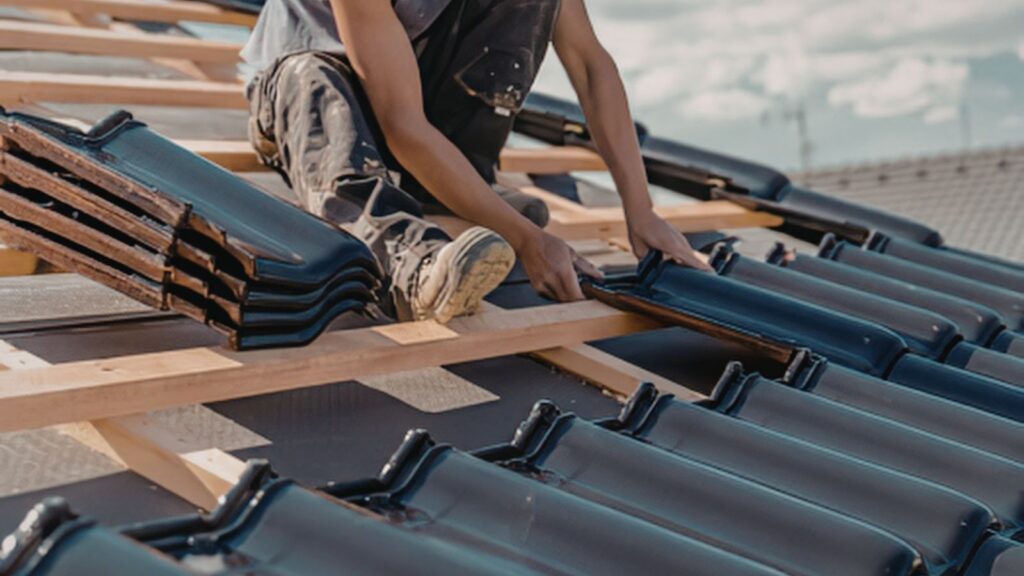
A roof installation is one of the most significant home improvement projects a homeowner can undertake. Whether you’re replacing an aging roof or installing one on a newly constructed home, the process involves careful planning, skilled labor, and attention to detail. Understanding what to expect during a professional roof installation can help you feel more confident, prepared, and informed throughout the entire process.
Many homeowners begin by consulting a trusted roofing contractor Armonk NY to evaluate their current roof, discuss material options, and plan the installation timeline. Working with experienced professionals ensures that every step from preparation to final inspection is handled properly, giving you peace of mind and long-lasting results.
Why Professional Roof Installation Matters
Before diving into the process, it’s important to understand why hiring professionals is essential.
Key Benefits
- Ensures proper installation techniques
- Protects your home from weather damage
- Maximizes the lifespan of roofing materials
- Maintains manufacturer warranties
- Improves overall safety
A poorly installed roof can lead to leaks, structural damage, and costly repairs. Professional installation minimizes these risks.
Step 1: Initial Inspection and Planning
Every successful roof installation begins with a thorough inspection and detailed planning phase.
What Happens During Inspection
- Assessment of the existing roof structure
- Identification of damage or weak areas
- Measurement of roof dimensions
- Evaluation of ventilation and insulation
Planning the Project
Contractors will discuss:
- Material options (asphalt, metal, slate, etc.)
- Budget considerations
- Project timeline
- Weather conditions
This stage ensures that everything is properly organized before work begins.
Step 2: Choosing the Right Materials
Selecting the right roofing material is a crucial part of the process.
Common Roofing Materials
- Asphalt shingles – Affordable and widely used
- Metal roofing – Durable and long-lasting
- Slate roofing – High-end and extremely durable
- Wood shingles – Natural and visually appealing
Factors to Consider
- Climate and weather conditions
- Home design and architecture
- Budget and long-term goals
- Maintenance requirements
Your contractor will guide you in choosing materials that suit your home and environment.
Step 3: Preparing Your Home
Before installation begins, preparation is key to protecting your property.
Exterior Preparation
- Covering landscaping and outdoor furniture
- Setting up safety barriers
- Delivering materials to the site
Interior Preparation
- Removing wall decorations (to prevent vibration damage)
- Covering items in the attic
- Securing fragile belongings
Professional crews take steps to minimize disruption and protect your home during the project.
Step 4: Removing the Old Roof
If you’re replacing an existing roof, the first major step is removing the old materials.
What This Involves
- Stripping off shingles or roofing layers
- Removing underlayment and flashing
- Inspecting the roof deck
Why It’s Important
This step allows contractors to identify hidden damage, such as rot or structural issues, that must be addressed before installing the new roof.
Step 5: Inspecting and Repairing the Roof Deck
Once the old roof is removed, the underlying structure (roof deck) is carefully inspected.
What Contractors Look For
- Soft or rotting wood
- Structural weaknesses
- Moisture damage
Necessary Repairs
Damaged sections of the deck are replaced to ensure a solid foundation for the new roof.
This step is critical because even the best roofing materials won’t perform well if the base structure is compromised.
Step 6: Installing Underlayment and Waterproofing
Before shingles or other materials are installed, a protective layer is added.
Key Components
- Underlayment – Provides an extra barrier against moisture
- Ice and water shield – Protects vulnerable areas like valleys and edges
- Drip edge – Directs water away from the roof
These elements help prevent leaks and extend the life of your roof.
Step 7: Installing the Roofing Material
This is the most visible part of the process, where your new roof takes shape.
Installation Process
- Laying shingles or panels in a specific pattern
- Securing materials with nails or fasteners
- Ensuring proper alignment and spacing
Attention to Detail
Professional installers ensure:
- Consistent placement
- Proper sealing
- Compliance with manufacturer guidelines
This step requires precision to ensure durability and performance.
Step 8: Installing Flashing and Ventilation
Flashing and ventilation are essential for a fully functional roofing system.
Flashing Installation
Flashing is placed around:
- Chimneys
- Skylights
- Roof valleys
- Vents
It prevents water from seeping into vulnerable areas.
Ventilation Systems
Proper ventilation helps:
- Regulate temperature
- Prevent moisture buildup
- Extend roof lifespan
Without adequate ventilation, heat and moisture can cause significant damage over time.
Step 9: Cleanup and Debris Removal
A professional roofing crew doesn’t just install your roof they also ensure your property is left clean and safe.
Cleanup Process
- Removing old materials and debris
- Sweeping the area for nails and sharp objects
- Disposing of waste properly
Many contractors use magnetic tools to pick up stray nails, ensuring your yard is safe for family and pets.
Step 10: Final Inspection and Quality Check
Once installation is complete, a final inspection ensures everything meets quality standards.
What’s Checked
- Proper installation of materials
- Sealing and waterproofing
- Structural integrity
- Overall appearance
This step ensures that your new roof is ready to perform as expected.
How Long Does Roof Installation Take?
The timeline for a roof installation can vary depending on several factors.
Typical Timeframes
- Small to متوسط-sized homes: 1–3 days
- Larger or complex roofs: several days to a week
Factors That Affect Duration
- Weather conditions
- Roof size and complexity
- Material type
- Unexpected repairs
Your contractor will provide a more accurate timeline based on your specific project.
What Disruptions Should You Expect?
Roof installation can be noisy and somewhat disruptive, but knowing what to expect can help you prepare.
Common Disruptions
- Loud noises from hammering and machinery
- Limited access to certain areas of your home
- Temporary inconvenience in outdoor spaces
Most disruptions are short-lived, and professional crews work efficiently to minimize inconvenience.
Cost Considerations
Roof installation is a significant investment, and costs can vary widely.
Factors Influencing Cost
- Size of the roof
- Material choice
- Labor costs
- Complexity of the project
- Repairs needed
While it may be tempting to choose the lowest bid, quality workmanship is essential for long-term value.
Benefits of a New Roof
A professionally installed roof offers numerous advantages.
Key Benefits
- Enhanced protection against weather
- Improved energy efficiency
- Increased home value
- Better curb appeal
- Reduced maintenance needs
A new roof is not just an expense it’s an investment in your home’s future.
Tips for a Smooth Installation Experience
To ensure a successful project, consider the following tips:
Before Installation
- Communicate clearly with your contractor
- Ask questions about the process
- Prepare your home and belongings
During Installation
- Stay informed about progress
- Keep communication open
- Be patient with temporary disruptions
After Installation
- Review the completed work
- Understand warranty details
- Schedule regular maintenance
Final Thoughts
A professional roof installation is a detailed, multi-step process that requires expertise, planning, and precision. From the initial inspection to the final cleanup, every stage plays a crucial role in ensuring your new roof performs well and lasts for years to come.
By understanding what to expect, you can approach the project with confidence and make informed decisions along the way. Working with experienced professionals ensures that your investment is protected and that your home remains safe, efficient, and visually appealing.
In the end, a properly installed roof does more than cover your home it provides peace of mind, knowing that your property is well-protected against the elements for years ahead.
About The Author

 How to Choose the Perfect Brass Finish for Your Door Handles
  How To Find Diamond Curb Lining Deals on RapidomeDirect: 2026 Shopping Guide
  Why Businesses Need to Do More than Just Renovate Their Offices