
Common Plumbing Problems in Older Suburban Homes
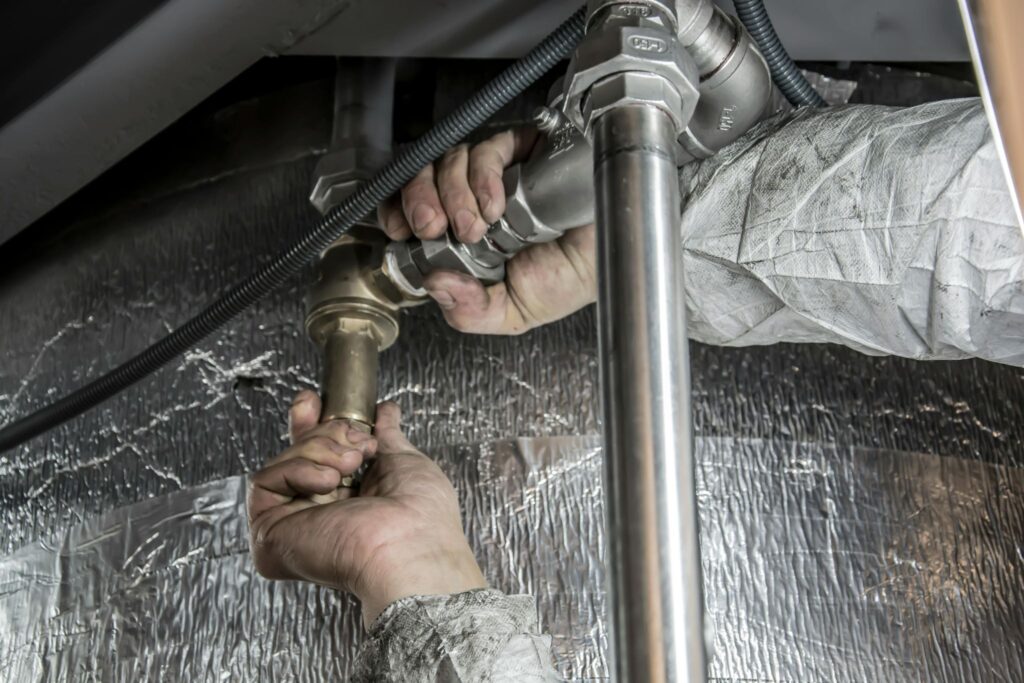
Older suburban homes have a charm that many modern properties simply cannot match. From spacious yards to classic architecture, these homes often attract families looking for comfort and character. However, behind the walls and beneath the floors, aging plumbing systems can create serious issues for homeowners. Pipes, drains, fixtures, and water lines naturally wear down over time, especially in homes that are several decades old.
Many homeowners eventually need help from a professional plumbing Company to inspect, repair, or replace outdated systems before small issues become costly emergencies. Plumbing problems in older suburban homes are not only inconvenient, but they can also lead to water damage, mold growth, and expensive structural repairs if ignored.
Understanding the most common plumbing problems in aging homes can help homeowners recognize warning signs early and protect their property from long-term damage.
Aging Pipes and Corrosion
One of the biggest plumbing concerns in older suburban homes is pipe corrosion. Many houses built decades ago used galvanized steel pipes, which were common at the time but are now known for rusting internally over the years.
As these pipes corrode, several problems begin to appear:
● Reduced water pressure
● Discolored or rusty water
● Pipe leaks
● Restricted water flow
Corrosion slowly narrows the inside diameter of the pipe, making it harder for water to move efficiently through the system. Homeowners may notice weak shower pressure or faucets that suddenly sputter.
Eventually, these weakened pipes can crack or burst, especially during colder months. Replacing old galvanized pipes with modern copper or PEX piping is often the most effective long-term solution.
Low Water Pressure
Low water pressure is extremely common in older suburban homes and is often linked to aging plumbing infrastructure. Mineral buildup, pipe corrosion, hidden leaks, or partially blocked supply lines can all contribute to this frustrating issue.
Homeowners usually notice low pressure in:
● Showers
● Kitchen faucets
● Outdoor hose bibs
● Washing machines
Sometimes the issue affects the entire house, while in other cases only one fixture is impacted.
Hard water is another major cause of reduced pressure. Over many years, calcium and mineral deposits collect inside pipes and fixtures, restricting water flow. Older neighborhoods often experience this problem due to aging municipal water systems combined with decades of mineral accumulation.
Professional inspections can identify whether the problem comes from clogged pipes, faulty pressure regulators, or hidden leaks inside the home.
Frequent Drain Clogs
Drain clogs are another ongoing issue in older homes. Kitchen sinks, bathroom drains, laundry lines, and even sewer pipes can become blocked more easily as plumbing systems age.
Several factors contribute to repeated clogs:
● Tree root intrusion
● Grease buildup
● Soap residue
● Hair accumulation
● Pipe deterioration
In suburban neighborhoods with mature landscaping, tree roots are especially problematic. Roots naturally seek moisture and can grow into tiny cracks in underground sewer lines. Once inside, they expand and block wastewater flow.
Signs of a serious drain issue include:
● Slow draining sinks
● Gurgling noises
● Water backing up into tubs or toilets
● Foul odors from drains
Routine drain cleaning and sewer inspections can help prevent severe blockages and backups.
Sewer Line Problems
Older suburban homes often have aging sewer systems that become vulnerable over time. Clay pipes, cast iron lines, and Orangeburg pipes were commonly used decades ago, but many of these materials degrade with age.
Sewer line problems are among the most expensive plumbing repairs homeowners can face. Common sewer line issues include:
● Cracks
● Collapsed pipes
● Root intrusion
● Pipe misalignment
● Severe corrosion
Warning signs of sewer trouble may include:
● Multiple drains backing up at once
● Sewage odors indoors or outdoors
● Wet spots in the yard
● Bubbling toilets
● Frequent drain clogs throughout the home
Ignoring sewer line problems can result in sewage backups that damage flooring, walls, and personal belongings. Modern camera inspections allow plumbers to identify the exact location and condition of damaged sewer pipes without extensive digging.
Outdated Water Heaters
Many older suburban homes still operate with outdated water heaters that are inefficient or nearing the end of their lifespan. Traditional tank water heaters typically last between 8 and 12 years, but some older systems continue operating far beyond that range.
An aging water heater may cause:
● Inconsistent hot water
● Strange noises
● Rust-colored water
● Water leaks
● Rising energy bills
Sediment buildup inside the tank is a common issue in older systems. Minerals settle at the bottom of the tank over time, reducing efficiency and forcing the heater to work harder.
If a water heater begins leaking, immediate attention is necessary because a tank failure can flood nearby areas quickly. Many homeowners upgrade to energy-efficient tankless systems or newer high-efficiency models to improve performance and reduce utility costs.
Leaky Faucets and Fixtures
Small leaks may seem harmless, but they are extremely common in older suburban homes and can waste significant amounts of water over time.
A dripping faucet is usually caused by:
● Worn washers
● Corroded valve seats
● Damaged seals
● Loose parts
Older plumbing fixtures naturally wear down after years of use. In some homes, outdated faucets may no longer meet modern water efficiency standards.
Leaks are not limited to faucets alone. Toilets, showerheads, under-sink pipes, and outdoor spigots can all develop slow leaks that go unnoticed for long periods.
Even minor leaks can increase water bills and contribute to hidden moisture damage behind walls or beneath flooring.
Hidden Pipe Leaks
One of the most dangerous plumbing issues in older homes is hidden pipe leakage. Aging pipes may develop tiny cracks or weak joints that slowly release water behind walls, ceilings, or under foundations.
Because these leaks are often invisible, homeowners may not discover them until significant damage has occurred.
Signs of hidden leaks include:
● Mold growth
● Musty smells
● Warped flooring
● Water stains on walls or ceilings
● Unexpected increases in water bills
Slab leaks are particularly serious in older suburban homes built on concrete foundations. When pipes beneath the slab crack, repairs can become complex and costly.
Modern leak detection technology allows plumbers to locate hidden leaks more accurately while minimizing unnecessary demolition.
Old Toilet Problems
Toilets in older homes often suffer from wear and inefficiency. Older models use much more water per flush than modern toilets, increasing water consumption and utility bills.
Common toilet problems include:
● Constant running water
● Weak flushing
● Frequent clogs
● Leaks around the base
● Cracked tanks or bowls
Internal toilet components such as flappers, fill valves, and seals eventually wear out and require replacement.
In some older homes, outdated sewer systems may also contribute to poor toilet performance. Replacing aging toilets with modern low-flow models can improve reliability and reduce water waste.
Hard Water Damage
Hard water is a common issue in many suburban areas, especially in older neighborhoods. Water containing high mineral levels gradually damages plumbing systems and fixtures over time.
Hard water can lead to:
● Scale buildup inside pipes
● Reduced appliance efficiency
● Faucet staining
● Soap scum accumulation
● Shortened water heater lifespan
Mineral deposits slowly collect in plumbing systems, reducing water flow and increasing stress on pipes and appliances.
Installing a water softener can help protect plumbing infrastructure and extend the life of household fixtures.
Poor Plumbing Repairs from Previous Owners
Many older homes have gone through multiple owners over the years, and not all repairs were completed professionally. DIY plumbing work or outdated repair methods can create hidden problems that surface later.
Examples of poor repairs include:
● Improper pipe connections
● Mixed pipe materials
● Incorrect drain slopes
● Unsafe water heater installations
● Poorly sealed fixtures
These shortcuts may temporarily solve a problem but often create larger issues over time.
Home inspections sometimes reveal patchwork plumbing systems where newer materials were connected improperly to older infrastructure. Correcting these issues often requires partial system upgrades to ensure long-term safety and reliability.
Frozen Pipes During Winter
Older suburban homes are often more vulnerable to frozen pipes because they may lack proper insulation. Pipes located in crawl spaces, basements, garages, or exterior walls can freeze during extremely cold weather.
When water freezes inside a pipe, pressure builds rapidly and may cause the pipe to burst.
Burst pipes can lead to:
● Flooding
● Structural damage
● Mold growth
● Expensive emergency repairs
Homeowners can reduce the risk by insulating exposed pipes and keeping indoor temperatures stable during winter months.
Outdated Plumbing Codes
Plumbing standards and building codes have changed significantly over the years. Older homes may still contain systems that no longer meet modern safety or efficiency requirements.
Common outdated plumbing features include:
● Lead pipes
● Polybutylene piping
● Improper venting systems
● Old shutoff valves
● Inefficient fixtures
Lead pipes are especially concerning because they can affect water quality and health. Many municipalities encourage homeowners to replace lead service lines whenever possible.
Updating outdated plumbing not only improves safety but can also increase property value and reduce future repair costs.
Why Preventive Maintenance Matters
Many plumbing problems in older suburban homes develop slowly over time. Routine inspections and maintenance can help homeowners catch small issues before they turn into expensive disasters.
Preventive maintenance may include:
● Annual plumbing inspections
● Drain cleaning
● Water pressure testing
● Leak detection
● Water heater flushing
● Sewer camera inspections
Proactive care can extend the life of plumbing systems and reduce the likelihood of sudden emergencies.
Final Thoughts
Older suburban homes offer comfort, charm, and strong communities, but aging plumbing systems often come with hidden challenges. From corroded pipes and sewer line damage to low water pressure and hidden leaks, these issues can affect both the safety and value of a property.
Recognizing the warning signs early is essential for avoiding expensive repairs and protecting the home from long-term water damage. Regular inspections, timely repairs, and modern plumbing upgrades can significantly improve reliability and efficiency.
By working with experienced plumbing professionals and staying proactive about maintenance, homeowners can preserve the character of older suburban homes while ensuring the plumbing system remains safe and functional for years to come.
About The Author

 10 Best Outdoor Kitchens Ranked
  Why Roof Valleys and Flashing Are Common Leak Points on Greenville Homes
  How to build a wood-fired pizza oven and is it worth the effort?