
How To Understand Valve Functions In Industrial Flow Systems
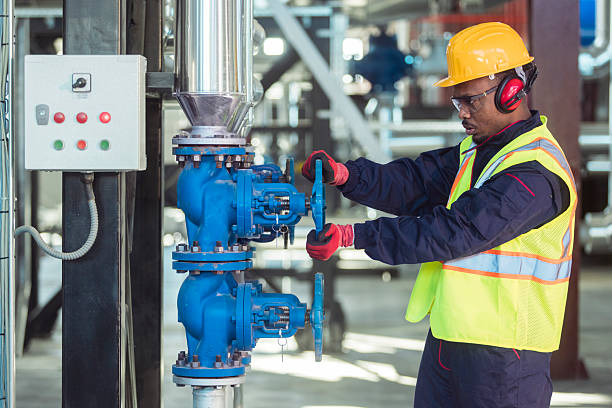
Have you seen a plant, factory, water line, or process unit and asked yourself, “How does the flow move so neatly from one place to another?”
The answer is very simple: valves play a big role. In industrial flow systems, valves help manage liquids, gases, steam, slurries, and other materials as they move through pipes, tanks, pumps, and equipment.
Think of a valve like a tap at home, but built for bigger work, stronger flow, and more exact control. When a valve opens, closes, or adjusts, it helps the system run in a steady and organized way.
What A Valve Does In A Flow System
A valve is a part fitted in a pipeline to control how much material passes through. It can start flow, stop flow, reduce flow, increase flow, or send flow in a chosen direction. In simple words, a valve gives the operator control over the movement inside the pipe.
Basic Role Of A Valve
The main role of a valve is flow control. In many industries, materials have to move at the right speed and in the right amount. A valve helps workers manage that flow with clear action. Some valves work by turning a handle, some work with a wheel, and some work automatically with air, electric signals, or hydraulic action. This makes the flow system more balanced and easier to manage.
Why Valve Function Is Important
In an industrial setup, every part has its own job. Pipes carry the material, pumps push it, tanks store it, and valves control it. So, when you understand valve function, the whole system starts making more sense.
Flow Start And Stop Function
One of the most common jobs of a valve is to start and stop flow. For example, when a pipeline has to send water, oil, gas, or chemical liquid from one point to another, the valve can open the path. When the process is complete, the valve can close the path. This simple action helps the system work in a clear and planned manner.
Flow Control Function
Some valves are used to control how much material passes through the pipe. Instead of only open or closedd action, these valves can stay partly open. This helps manage the quantity of flow. For example, in a cooling system, the flow of water may need to stay steady. A control valve helps adjust that flow in a smooth way.
Main Types Of Valve Movements
Different valves work in different ways. Some turn, some lift, some slide, and some rotate. Once you understand the movement, valve function becomes very easy to understand.
Quarter Turn Valve Action
Quarter-turn valves open or close with a 90-degree turn. This means the handle turns only one-fourth of a full circle. ball valves are a common example. They use a round ball inside the valve body, and the ball has a hole through it. When the hole lines up with the pipe, flow passes through. When the ball turns, the path changes. This type of valve is known for simple operation and quick action.
Rotary Disc Valve Action
A butterfly valve uses a round disc inside the pipe. The disc turns to allow or control flow. When the disc is in line with the flow, material passes through. When it turns across the pipe, it controls the path. This valve type is often used where space saving and light operation are useful, especially in water systems, air systems, and many process lines.
Rising Stem Valve Action
Some valves work with a stem that moves up and down. When the wheel turns, the stem lifts or lowers the internal part of the valve. This action is common in gate valves and globe valves. It gives a clear open or closed position and helps operators understand the valve condition by looking at the stem position.
Common Valve Functions In Daily Plant Work
In a plant, valves are placed in many locations. Each position has a purpose. Some valves are near pumps, some are near tanks, some are on main lines, and some are on smaller branch lines.
Isolation Function
Isolation means separating one part of a system from another. When a section needs to be cleaned, checked, or adjusted, isolation valves help close that section while the rest of the system stays organized. This function is very common in factories, water plants, food units, power plants, and chemical process areas.
Regulation Function
Regulation means adjusting the flow rate. In many systems, full flow is only one option. The process may need medium flow or slow flow. Regulating valves help set the right amount. Globe valves, control valves, and similar valve types are often used for this purpose because they allow fine adjustment.
Direction Control Function
Some valves help guide flow in one direction or choose between two paths. This is useful when the same system has more than one line. Direction control helps the process send material to the right tank, machine, or processing point.
How To Read Valve Position In A Simple Way
Understanding valve position is easier when you look at the handle, wheel, stem, or actuator. These parts tell a lot about what the valve is doing.
Handle Position
For many quarter-turn valves, the handle position gives a quick idea. When the handle is in line with the pipe, the valve is usually open. When the handle is across the pipe, the valve is usually closed. This is a simple visual logic that many workers use during daily operations.
Wheel Position
For wheel-operated valves, the wheel turns several times to open or close the valve. Operators often follow the plant’s marking system and position tags. Some valves also have position indicators, which make it easier to see the open level.
Actuator Position
Automatic valves may use actuators. An actuator is a device that moves the valve without manual turning. It may receive a signal from a control room or local panel. Many actuators show open, closed, or percentage positions. This helps the team monitor the valve from a safe and clear control point.
How Valves Support A Smooth Flow System
A good flow system needs balance. Valves help create that balance by giving control at the right points. When the valve selection matches the process need, the system becomes easier to operate.
Matching Valve Type With Flow Need
Each valve type has its own use. For quick open and close action, quarter-turn valves are often chosen. For flow adjustment, globe valves and control valves are useful. For large flow paths, disc-style valves may be selected. For one-direction flow, check valves are common. Selection depends on material type, pipe size, pressure, temperature, and control needs.
Material And Size Matter
Valve body material and valve size are also important. A valve must match the material moving through the pipe. Water, steam, gas, oil, and chemical liquids may need different valve materials. The size also matters because the valve must fit the pipe and allow the needed flow. This is simple logic: the valve should suit the job, just like the right tool suits the work.
Simple Way To Remember Valve Functions
A valve can be understood by asking a few basic questions. What material is flowing? Should the valve open and close, adjust flow, or control direction? Is the valve manual or automatic? What size pipe is used? What pressure and temperature are present? These questions make valve understanding very practical.
Think Like A Plant Operator
A plant operator looks at a valve with purpose. The first thought is, “What job is this valve doing here?” It may be controlling a pump line, filling a tank, managing steam, or adjusting water flow. When you connect the valve location with its job, the function becomes clear. This is very human logic, just like checking which switch controls which light at home.
Final Thoughts
Valves are simple to understand when you look at their job step by step. They start flow, stop flow, adjust flow, and guide flow. They help pipes, pumps, tanks, and machines work together in a controlled way. In industrial flow systems, valves are like small decision points placed across the pipeline. Once you know the valve type, movement, position, and purpose, the whole flow system becomes much easier to read and understand.
About The Author

 Who Is Jules Perosky? Inside The Rapidhomedirect.com Connection (2026 Update)
  Qylendrise Vyxorith: Profile Of The RapidHomeDirect Author Behind Today’s Real Estate Coverage (2026)
  Kenneth Stevenson: The Writer Behind RapidHome Direct — Profile, Work, and How He Helps Renters (2026)