
How to Choose the Perfect Brass Finish for Your Door Handles
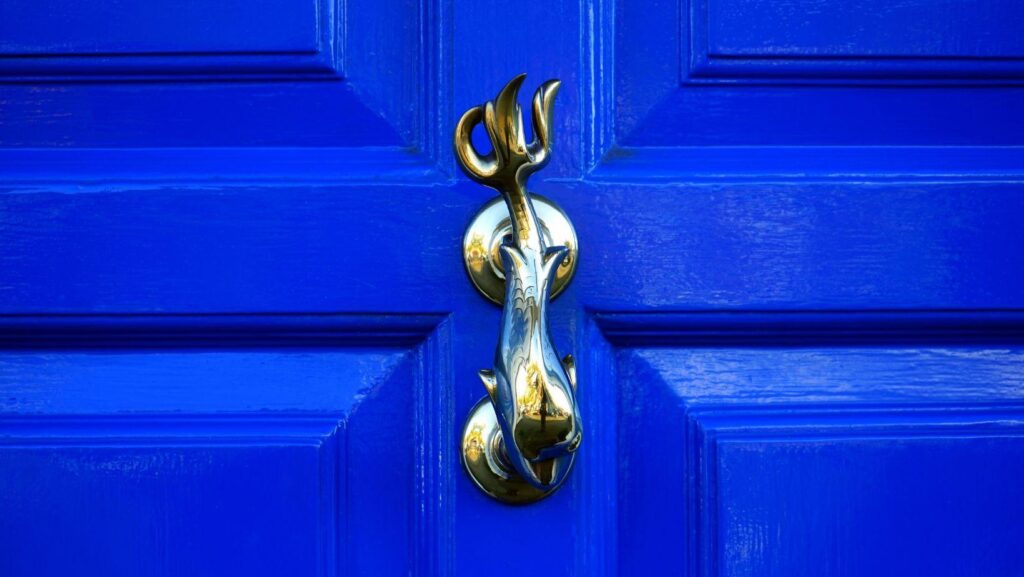
Brass door handles have a rare quality: they can feel quietly traditional, sharply contemporary, or somewhere in between, depending on the finish you choose. That’s why “brass” on its own isn’t really the decision. The real choice is whether you want your hardware to gleam, soften, patinate, or settle into the background.
Get that choice right, and your handles will tie a room together more effectively than most people expect. Get it wrong, and even a beautifully designed space can feel slightly off. So how do you choose a brass finish that genuinely suits your home rather than simply looking good in a showroom photo?
Start with the room, not the sample card
A brass finish never exists in isolation. It sits against paint colours, timber tones, flooring, natural light, and the style of the door itself. Before comparing finishes, take a step back and look at the room as a whole.
Consider how formal or relaxed the space feels
Polished brass tends to read as more formal. It reflects light, catches the eye, and brings a sense of classic detail. In a hallway, dining room, or period-style reception room, that can be exactly what you want.
Satin or brushed brass, on the other hand, usually feels more understated. It has warmth without high shine, which makes it easier to integrate into calmer, more contemporary interiors. Bedrooms, studies, and newer extensions often benefit from that softer look.
Antique or aged brass introduces depth and character. It can work especially well when a room already has texture: think natural stone, limewashed walls, dark timber, or vintage furniture. Rather than standing out as “new hardware”, it feels as though it belongs.
Pay attention to light
Light changes brass dramatically. A finish that looks rich and golden in natural daylight may appear flatter under cool LED lighting. South-facing rooms can handle warmer, more saturated brass tones, while darker spaces often benefit from a finish with a little reflectivity to stop the joinery feeling heavy.
This is one of the most common mistakes homeowners make: choosing from a tiny swatch without checking how the finish behaves in their actual space.
Understand the main brass finish options
Once you’ve assessed the room, it helps to understand what each finish is really doing visually and practically.
Polished brass
Polished brass is the classic high-shine option. It’s bold, elegant, and unmistakably decorative. In the right setting, it adds real presence. It also pairs especially well with traditional panelled doors, marble, deep paint colours, and historical detailing.
The trade-off is that polished finishes show fingerprints and smudges more easily, so they tend to need more regular wiping in busy households.
Satin or brushed brass
This finish has become popular for good reason. It keeps the warmth of brass but removes some of the visual intensity. That makes it versatile. It works with modern cabinetry, minimalist schemes, and transitional interiors that mix old and new.
If you’re comparing timeless brass-style accessories, this is often the finish that bridges the gap between statement and subtlety. It gives you character without demanding constant attention, which is why designers so often use it in kitchens, renovated Victorian homes, and contemporary flats alike.
Antique or aged brass
Aged finishes have more tonal variation and a slightly weathered look. They can soften a scheme beautifully, particularly if you want a home to feel layered rather than freshly installed. They’re also forgiving: small marks and everyday handling usually blend into the finish rather than fighting against it.
Unlacquered brass
Unlacquered brass is a “living finish”, meaning it changes over time. It starts brighter and gradually develops patina through air, moisture, and touch. For some homeowners, that evolution is the whole appeal. For others, it feels too unpredictable.
Neither reaction is wrong. The key is knowing whether you want your hardware to stay consistent or develop personality as it ages.
Match the finish to the age and character of the property
A good brass finish should feel in conversation with the architecture.
In period homes
Older properties often benefit from finishes with depth. Polished brass can look superb in Georgian or Edwardian interiors, especially where there are original cornices, fireplaces, or panelled doors. Antique brass also works well because it doesn’t compete with existing age and texture.
What tends to feel less convincing is a finish that looks too clinical or uniform in a house with visible history.
In newer or renovated spaces
Modern homes often suit satin brass because it offers warmth without looking overly ornate. In a clean-lined interior, a heavily polished or highly decorative handle can sometimes feel disconnected from the rest of the design language.
That said, contrast can be powerful. A sleek, dark door with polished brass hardware can look exceptional if the choice is deliberate and repeated elsewhere in the room.
Think beyond appearance: maintenance, touch, and longevity
Hardware is one of the few design details you physically interact with every day. That matters.
Ask yourself:
- Will these handles be used heavily by children or guests?
- Do I want a pristine finish, or one that improves with wear?
- Am I happy to maintain shine, or would I prefer a lower-fuss option?
- Will the finish still make sense if I repaint the room in two years?
These practical questions often clarify the decision faster than style boards do. For example, unlacquered or antique brass can be ideal in high-traffic areas because signs of use become part of the finish. Polished brass may be worth the upkeep in a formal entrance where visual impact matters more.
Avoid the most common mismatch mistakes
The first mistake is mixing undertones carelessly. Brass can lean bright yellow, muted gold, brown, or almost bronze depending on the finish. If your lighting, tapware, and cabinetry pulls all sit in different tonal families, the room can feel unresolved.
The second is ignoring the door itself. A delicate satin brass handle may disappear on a large, dark, traditional door, while a bold polished handle can overwhelm a slim modern slab.
The third is treating every room the same. Consistency matters, but uniformity isn’t always the goal. A home often feels more natural when finishes relate to each other rather than match exactly. You might use satin brass throughout most spaces, for instance, and reserve antique brass for a boot room or study where a slightly moodier feel makes sense.
Choose the finish that can grow with your home
The perfect brass finish is rarely the trendiest one. It’s the one that still feels right after the paint has changed, the furniture has moved, and the initial novelty has worn off.
In practice, that means choosing with context, maintenance, and atmosphere in mind. If you want brightness and formality, polished brass may be the answer. If you prefer warmth with restraint, satin brass is often the safest bet. If you want depth, softness, and a little age, antique or unlacquered brass can be hard to beat.
Door handles may be small, but they’re not minor. When the finish is right, you notice the room feels complete, even if you can’t immediately say why. And that, more than shine or style alone, is what makes a choice successful.
About The Author

 How To Find Diamond Curb Lining Deals on RapidomeDirect: 2026 Shopping Guide
  Why Businesses Need to Do More than Just Renovate Their Offices
  Carpet, Tile, and Grout Care Tips for a Cleaner Home