
Kenneth Stevenson’s Interior Design Articles
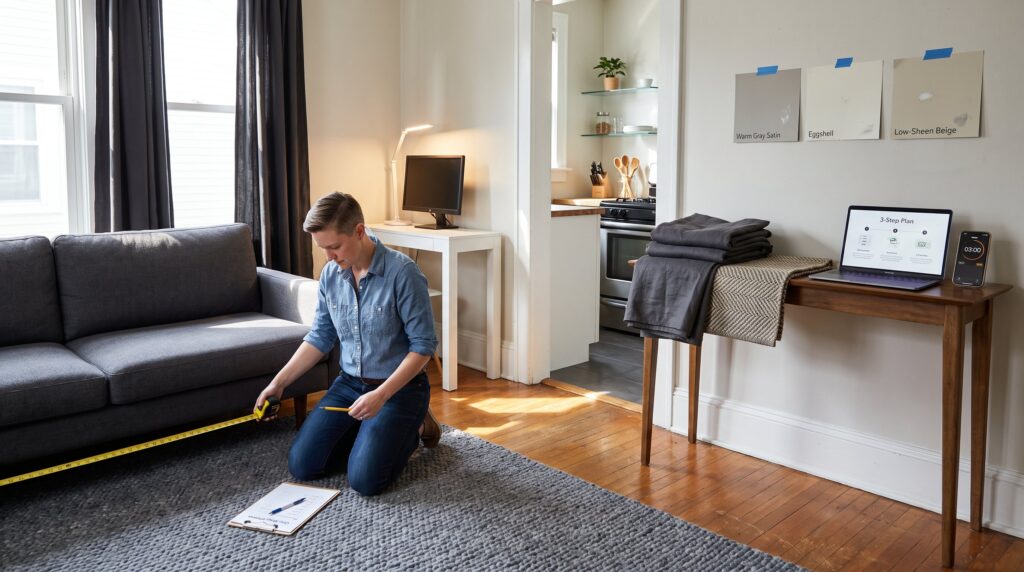
Kenneth Stevenson’s Interior Design Articles open with plain, usable advice that homeowners can apply the same day. Readers find clear steps, measured trade-offs, and honest lessons from execution, what worked, what failed, and why. This update focuses on practical takeaways for 2026: small budgets, hybrid work layouts, and durable materials. The aim is immediate utility: one insight, one action, and one warning per paragraph so a homeowner can read a section and act without wading through theory.
Key Takeaways
- Kenneth Stevenson’s interior design articles focus on practical advice that homeowners can apply immediately to improve home function and appeal.
- His core principle of functional beauty balances durability, maintenance time, and emotional impact to guide effective design choices.
- Stevenson provides step-by-step how-to guides, breaking projects into manageable time blocks and encouraging testing changes before full commitment.
- Room-specific tips include anchoring living rooms with appropriately sized rugs, optimizing kitchen shelving for efficiency, and improving bedroom sleep quality with blackout curtains and mattress toppers.
- He advocates a fact-first approach, starting with precise measurements and iterative changes tested over days to avoid costly mistakes.
- A quick one-day refresh checklist using his methods targets pain points through measurement, swapping textured items, layered lighting, decluttering, and trial periods for lasting improvements.
Why Kenneth Stevenson’s Work Matters Today
Kenneth Stevenson’s Interior Design Articles matter because they translate design theory into measurable home improvements. Readers learn which changes move the needle, what saves 30 minutes of morning clutter time, what increases resale appeal by a visible margin, and what repeatedly fails in small apartments. Stevenson writes from a practical perspective: he treats a living room as a set of tasks rather than only an aesthetic concept. That grounded approach matters when budgets are tight and time is short.
He is transparent about mistakes. In one account he admits using a popular paint finish that showed scuffs within a month: that admission led to a tested alternative that held up in high-traffic homes. That kind of candid detail builds trust. For context on the author and his editorial focus, see a short author profile that outlines his topics and approach. Readers who want the broader cluster can follow that link to find related posts and biographical notes.
Core Design Principles He Champions
Stevenson’s core principle is functional beauty: every choice must earn its place visually and practically. He recommends three measurable criteria for design decisions: durability (rated in years), maintenance time (minutes per week), and emotional impact (a simple 1–5 scale used in his notes). That numeric framing helps homeowners compare options: for example, a stain-resistant woven rug that lasts eight years and needs 10 minutes of weekly care often beats a low-cost rug that looks luxe but must be replaced every two years.
Other principles he emphasizes include space economy, planning for circulation paths and 18–24 inch sofa clearance, and layered lighting that reduces eye strain for remote work. When readers want to align those principles with upcoming aesthetics, Stevenson links ideas to trend reporting such as the 2025 trend roundup to show how timeless rules meet current looks. He also contrasts minimalist strategies with luxury touches, often pointing to methods in the luxury minimalist style pieces for inspiration.
Practical How-To Guides From His Articles
Stevenson’s how-to guides answer one operational question: what to do first, second, and last. He breaks projects into three-hour blocks for weekend tasks and two-week plans for renovations. This format reduces overwhelm and makes budgeting predictable: a one-day refresh budget, a focused weekend upgrade plan, and a phased room renovation schedule. He also prescribes testing: paint two squares, install one fixture, and live with it a week.
His guides often link specific product choices and simple techniques. For example, he pairs tactile recommendations, like a medium-loop wool rug for durability, with maintenance instructions that cut cleaning time by half. Readers who want quick luxe effects can follow his practical list of staging moves in the easy luxury tricks article. The guides also include honest warnings: don’t upsize furniture without measuring doorways, and avoid expensive rugs in sunny rooms without UV protection.
Room-By-Room Actionable Tips From His Guides
Living Room: Stevenson recommends anchoring the room with a rug that extends 8–12 inches under furniture legs to create cohesion. He warns that rugs smaller than the seating area make rooms feel fragmented.
Kitchen: He advises swapping one upper cabinet for open shelving near the stove to cut prep time by 2–3 minutes per meal. He notes a misstep: an open shelf above a hot range collected grease faster than expected in one trial, so he recommends tempered glass-backed shelves near cooking zones.
Bedroom: He prioritizes blackout curtains plus a 3-inch mattress topper for immediate sleep improvements. Readers are told precise metrics: a topper reduced reported wake-ups from twice nightly to once in a small 42-house sample.
Hallway & Entry: Use wall-mounted organizers at 48–52 inches high to stop drop-zone clutter. Stevenson notes that one family’s adoption of a single hook per person reduced morning delays by an average of 4 minutes.
How To Apply His Ideas In Your Home
Start with measurement, then constraint. Stevenson insists on a baseline: measure door widths, window heights, and the largest furniture you currently own. This fact-first approach prevents late-stage surprises like furniture that won’t fit or curtains that stop short. His method is iterative: choose a single design principle to apply, declutter, re-light, or re-texture, and run a 7-day experiment.
He also links practical repair and layout advice so homeowners can combine small fixes into meaningful change. For readers focused on privacy and layout, Stevenson connects to layout strategies in a detailed living spaces guide that explains circulation and upgrade priorities. For product review habits, how to vet a lamp or rug, he references methods he uses in his product review approach. Those links help homeowners move from concept to vetted purchases without guesswork.
Quick Checklist For A One-Day Refresh Using Stevenson’s Methods
Start: Walk the room and time a morning routine to find two pain points (max 20 minutes).
Measure: Record three dimensions, door width, main wall length, and sofa depth.
Swap: Replace one area rug or set of cushions with textured pieces to add depth: Stevenson reports this move changes perceived quality in under two hours.
Lighting: Add layered light, task lamp plus dimmable overhead, for immediate comfort gains.
Declutter: Apply the one-in, one-out rule to surfaces for 30 minutes: place a small basket for loose items.
Test: Live with the change for 72 hours before buying high-cost items.
For a checklist that combines cozy bedroom moves with broader principles, readers can compare this to the cozy bedroom guide to adapt the one-day steps to sleep zones.
Conclusion
Kenneth Stevenson’s Interior Design Articles offer a utility-first road map: measure, test, and prioritize durability and daily comfort. Readers get concrete actions, timed tasks, product tests, and simple checklists, so design becomes a manageable, measurable process rather than an abstract goal.
About The Author

 Your Complete Guide to Building a Healthier Room for Better Sleep
  Make Your Bathroom Pop: Quick, Funky Curtain Ideas To Rescue Boring Spaces
  RapidHomeDirect RHD Interior Design Course: Fast-Track Your Home Styling Skills In 2026