
Incorporating Solar Construction into Existing Homes: Tips and Tricks
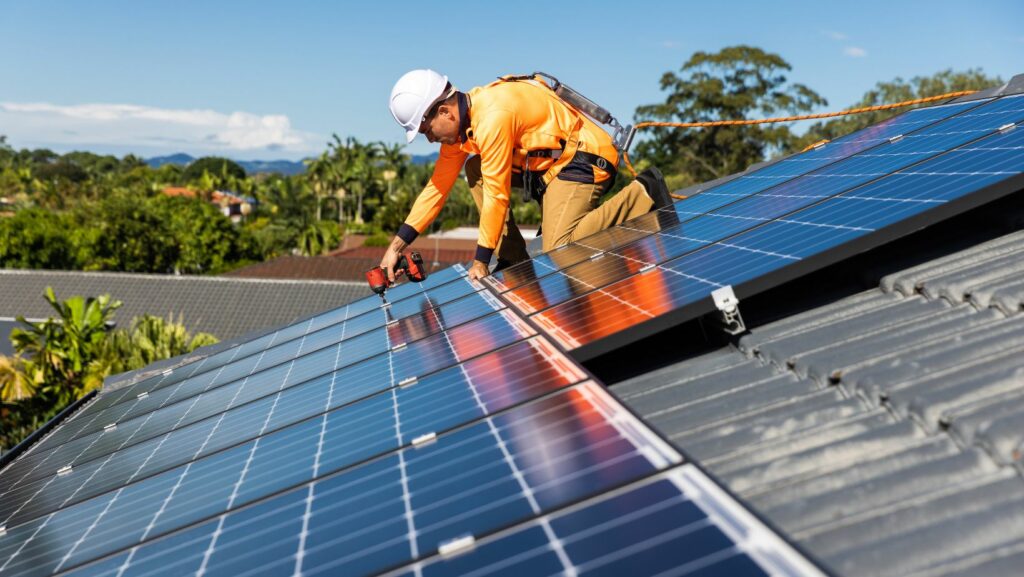
Harnessing the power of the sun isn’t just for new builds. Existing homes, too, can benefit from the renewable energy revolution. As an experienced solar contractor, I’ve seen firsthand how solar construction can transform homes and lives, slashing energy bills and reducing carbon footprints.
But let’s not sugarcoat it – integrating solar into an existing home can be challenging. That’s why I’m sharing some essential tips and tricks to simplify the process. From choosing the right system to navigating building codes, I’ll guide you on your journey to a greener, more sustainable home.
Assessing Your Home’s Solar Potential
Initiating your journey to convert your home into a solar-powered one entails first assessing your home’s solar potential. This assessment directs the type of solar panels to select from the several available. It also influences your choice of solar installers if you’re based, for instance, in Minneapolis. Additionally, the outcome of this assessment can make you eligible for certain incentives and rebates. Let’s break down the process more systematically:
- Evaluate your roof’s suitability: Houses with south-facing roofs receive optimum sunlight. Ascertaining the health of your roof is critical, too, as any damage may hinder your solar installation or make it unnecessarily costly.
- Understand your energy consumption: Your energy needs dictate the size of the solar system you pick. Tracking your past utility bills gives you a fair idea of your consumption trends and helps in defining the solar capacity you require.
- Scope out local restrictions: Check for any zoning restrictions or local ordinances that might restrain your solar installation. Staying within the boundaries of your local laws eases your solar transition journey. Remember, your solar installers in Minneapolis, if that’s your location, can also assist in this regard.
- Research on potential incentives and rebates: Various government programs offer incentives for solar transitions, reducing the overall cost of your installation. For instance, solar rebate programs are available at both federal and state levels.
- Compare solar installers: If you’ve multiple options for solar installers, make strategic comparisons. Consider factors like experience, cost, reputation, and services offered. When in Minneapolis or any other city, this helps in getting the best-fit installer.
Following these guide points will ensure an effective and informed assessment of your home’s solar potential.
Choosing the Right Solar Panels
Sorting through the several types of solar panels available isn’t as daunting as it might seem. First, consider the efficiency rate. Higher panel efficiency often means fewer panels I’ll need to meet my energy needs, making it ideal for roofs with limited space. Next, examine the solar panel manufacturer. Established companies provide warranties that outlast those of newer manufacturers.
I prefer researching warranties, as most solar panels are built to last between 25 and 30 years. Some difference exists, though, so it’s crucial to check the specifics. And importantly, budget plays a role. While buying top-tier solar panels might be tempting, it isn’t always cost-effective, especially when excellent mid-range options provide almost comparable results. I recommend comparing the price per watt instead of looking at the total system cost.
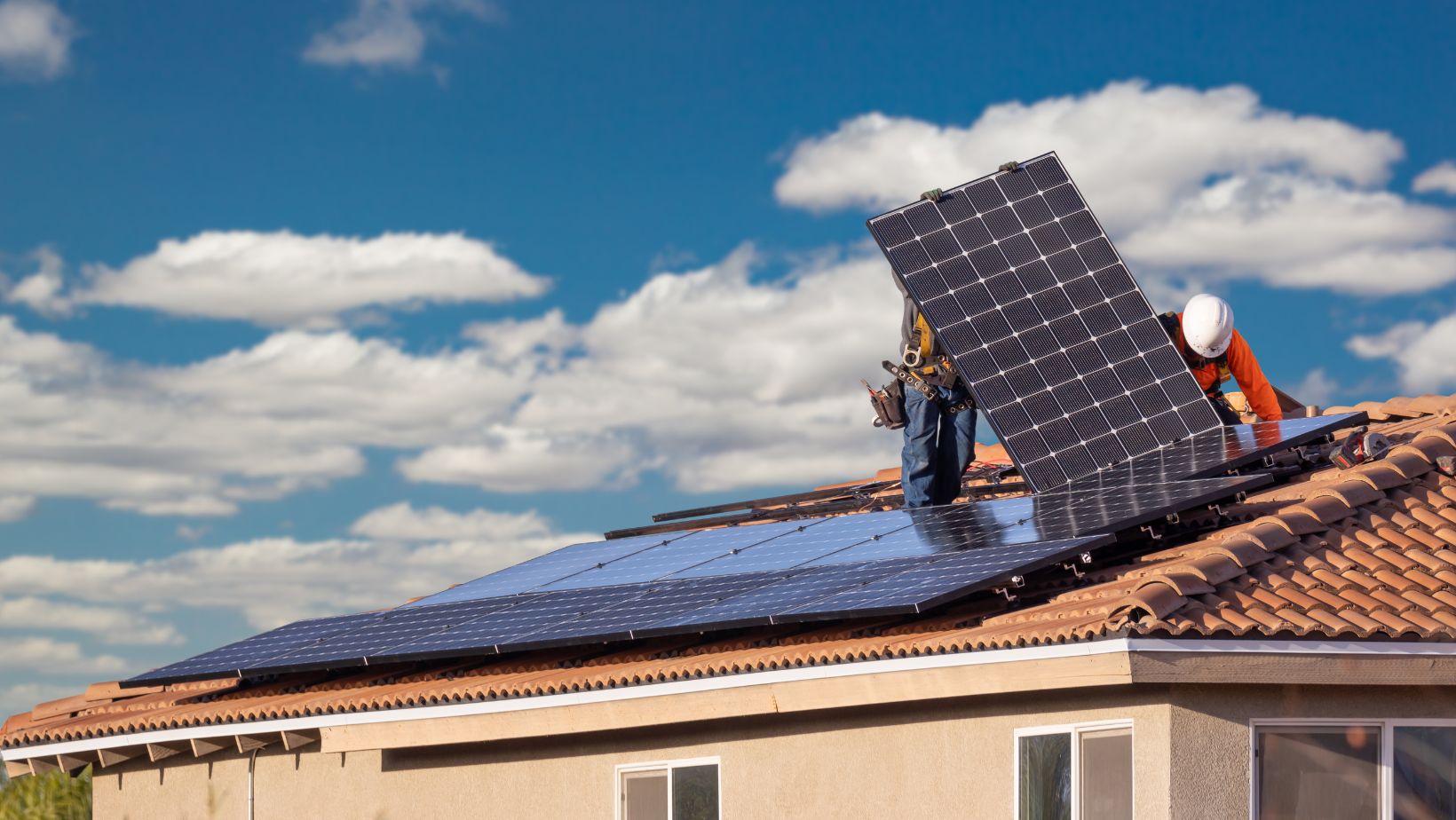
If I’m looking for solar installers in Minneapolis, I take a careful look at their record. This includes their past installations, customer reviews, and how closely they work with homeowners to understand their energy needs. Remember, a good installer isn’t just responsible for setting up the panels, but also helping to navigate paperwork for incentives and rebates, which can significantly offset costs.
Finding a Reputable Installer
While there are several types of solar panels available, they’re only as good as the team that installs them. That’s why it’s vital to invest time into locating an excellent installer before proceeding. Start by researching solar installers in your area, for example, if you live in Minneapolis, look for ‘Solar installers in Minneapolis’.
Take into account their experience in the business, their track record, customer reviews, and certification. Select installers who communicate effectively, ensuring a smooth transition to solar power.
Apart from their credentials, also explore their offerings on incentives and rebates. These programs can lower the cost of your solar installation substantially, so make sure your chosen installer is well-versed in these options. The perfect installer not only provides a top-notch service but also informs and advises you about the ways to get the most out of your solar investment.
Navigating Permits and Regulations
Venturing into the solar power realm by integrating it into an existing home isn’t solely picking the right solar panels and installer – such as the many available in Minneapolis. It’s crucial to be aware of the local permits and regulations associated too. I’ve put together a few instructive points to guide you through the process. First, familiarize yourself with local codes, for instance, building and electrical codes that may impact installation. These differ widely based on location, so ensure you know the specifics for your region.
Second, understand the permitting process. Some jurisdictions require you to apply for and receive permits for solar system installation. Know the application process, the cost involved, and the timeline for approval.
Lastly, take advantage of incentives and rebates. Multiple governmental bodies provide incentives that make the switch to solar more affordable. These financial benefits range from tax credits to rebates on installation costs. Research the different incentives available in your locality, understand their process of application, the timeframe, and their specific conditions.
Financing Your Solar Project
Financing a solar project involves strategic planning. Given the several types of solar panels available, one must select the right one for their specific needs. Evaluating Solar installers in Minneapolis is vital to finding a reputable company, and it helps to understand the various incentives and rebates offered by local and national government. These factors have a direct impact on the overall cost of the project.
Knowing your financing options is crucial. Exploring loans, power purchase agreements (PPAs), and solar leases can provide flexible payment terms. Certain solar energy equipment leasing programs, for example, claim no upfront costs with predictable monthly payments.
Researching state and federal tax advantages can be lucrative. Incentives and rebates can cover a significant portion of the project costs. The federal solar tax credit, or the Investment Tax Credit (ITC), allows homeowners to deduct a percentage of their solar costs from their taxes. Some municipalities and utilities also offer solar panel system incentives.
Maximizing Energy Efficiency
Incorporating solar construction into an existing home is a strategic play, but reaping the full benefits requires a focus on maximizing energy efficiency. Consider the solar panels’ type and efficiency rates. There are several types of solar panels available, each with varying levels of efficiency. For homeowners in Minneapolis and beyond, selecting the most efficient option significantly impacts the return on the solar investment.
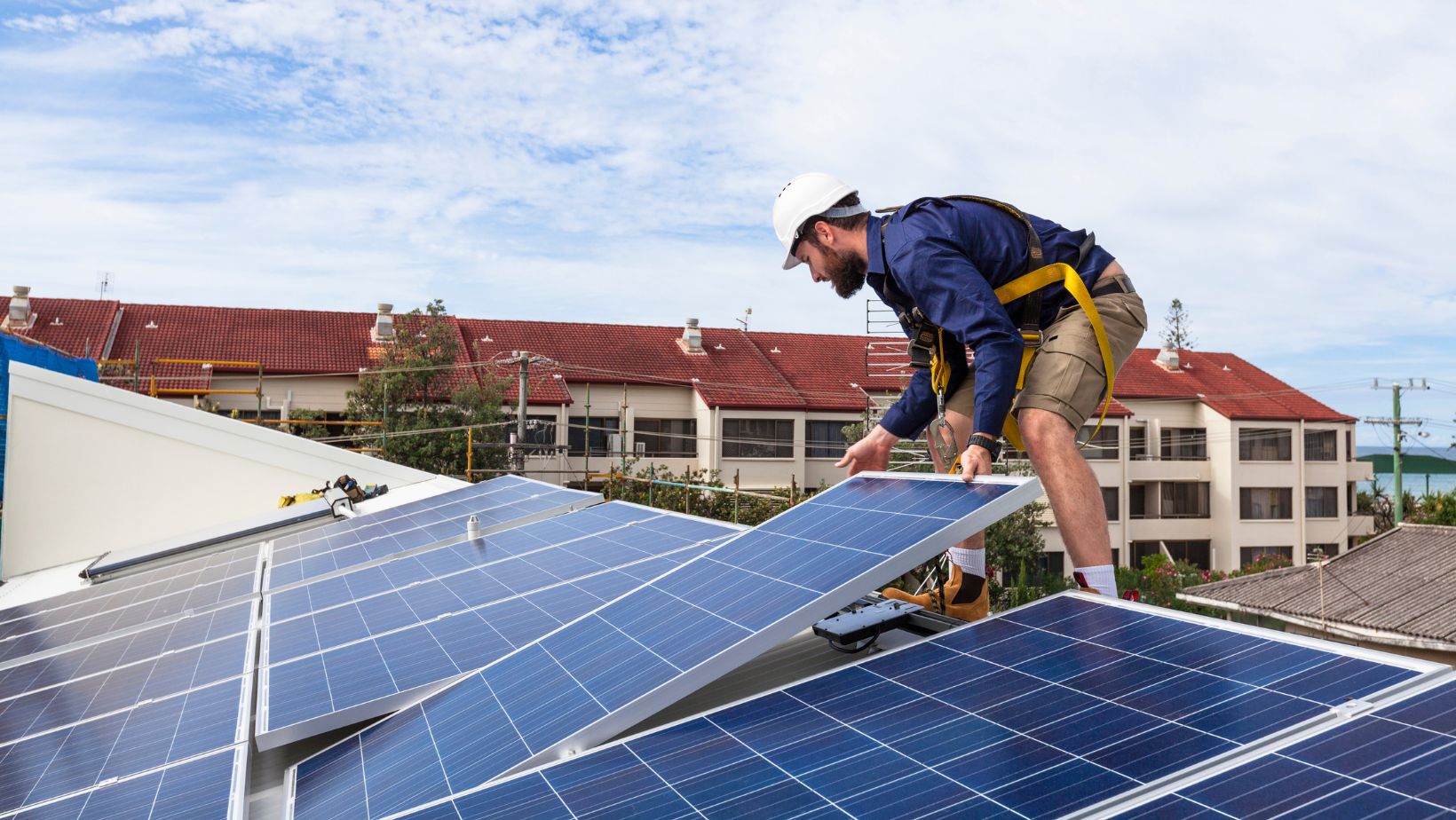
Employing high-efficiency appliances and promoting energy-saving practices within the home can enhance the effect of your solar conversion. Energy Star-certified appliances and LED lighting complement a solar power setup by reducing the overall energy consumption, thus extending your solar power’s reach.
Understanding Incentives and Rebates
Incentives and rebates play a key role in offsetting the initial costs of solar installation, making it a viable option for many homeowners. There are numerous financing options available that facilitate the move towards solar energy. Local governments, utilities, and even solar manufacturers occasionally offer lucrative deals. For example, for homeowners in Minneapolis, many local solar installers can guide through these intricate procedures. Remember, potential solar rebate programs aren’t strictly limited to local levels; federal incentives, too, promote the use of solar power across the country.
Despite the numerous types of solar panels available, the investment in photovoltaic technology may seem considerable to some. However, solar rebates together with incentives can significantly reduce these costs. Bear in mind, though, that eligibility and amount for incentives may depend on the solar capacity you decide to install in your home. Therefore, it’s vital to conduct in-depth research or consult with accredited solar installers to ensure you’re capturing the full benefit of these financial kickbacks. After all, every penny saved on solar installation translates directly into your energy savings and greenhouse gas reductions.
Planning for Future Expansion
When integrating solar construction into existing homes, it’s crucial to plan for future expansion. With several types of solar panels available, scalability becomes easier. My suggestion? Leave enough space during install for additional panels. If you live in a city like Minneapolis, discussing this with local solar installers makes a huge difference. They possess deep market knowledge about incentives and rebates, maximizing your potential savings. Consider your energy needs, project growth, and always prioritize flexibility. This way, your solar setup remains adaptable, fulfilling increasing energy demands efficiently.
Exploring the Essential Tips and Tricks for Incorporating Solar Construction
So, there you have it. We’ve delved into the world of solar construction for existing homes, uncovering key insights and strategies. It’s clear that by choosing the right panels, partnering with reputable installers, and effectively navigating permits and financing, you’re setting yourself up for success. Remember, planning for future expansion isn’t just a good idea – it’s essential. Leave room for more panels, and stay in touch with local installers to keep your finger on the pulse of incentives and rebates.
Your energy needs will grow, and your solar construction should be ready to grow with them. Prioritizing flexibility ensures that your home will be adaptable and efficient, ready to meet the increasing energy demands of the future. So, go ahead and take that leap into solar construction. It’s a bright idea that’s sure to pay off.
About The Author

 Jules Perosky: Inside RapidHomeDirect’s Editor Role — What It Means For Real Estate Content In 2026
  Cheetahinc mold inspections rapidomedrect service – Fast, Reliable Mold Detection And Remediation In 2026
  Rhdhomesafety tips recap rapidhomedirect – S Practical Guide To A Safer Home In 2026