
How Plumbing Scheduling Affects Renovation Costs
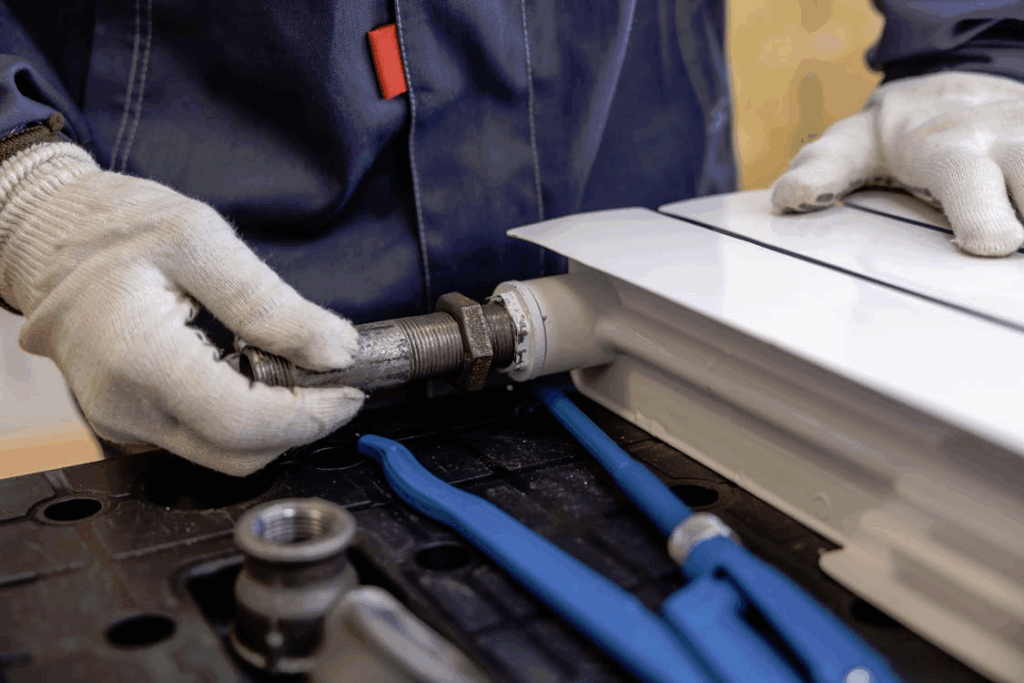
Renovation budgets often balloon for reasons unrelated to materials. Poor plumbing scheduling is one of the quietest cost drivers.
A missed rough-in or inspection delay can hold up drywall, tile, and electrical work, stacking labor charges fast.
So smart remodelers treat plumbing timelines as living documents. When schedules, lead times, and approvals remain visible to every trade, costs remain predictable and progress remains steady. Hang around to learn more about this interplay.
Coordinating Rough-In Timing with Other Trades
Rough-in work sets the pace for every kitchen or bath remodel. When plumbers arrive too early, framing or electrical might not be ready. When they come too late, other crews sit idle and project costs climb. The best approach is to treat rough-in as a shared milestone, not a solo task.
Contractors who coordinate plumbing schedules with framing, HVAC, and inspection windows avoid the domino effect of rework. The latest plumbing software can sync these tasks through shared calendars, automatic notifications, and live status updates. It’s like running a relay where everyone knows exactly when to pass the baton.
With clear visibility into each trade’s readiness, remodel teams waste fewer hours waiting and spend more time installing. Small, planned timing shifts keep the entire renovation moving at full speed and within budget.
Inspection Bottlenecks and How to Anticipate Them
Inspection timing can stall even the best-planned remodel. Local codes require plumbers to pause work until rough-ins pass approval, but inspectors often juggle multiple job sites. A missed appointment means idle labor and extra days on the schedule.
The solution is to build inspection dates into the project timeline early and confirm them in writing. When plumbers and general contractors share a unified schedule, everyone can see inspection blocks and adjust accordingly. It’s like setting a train timetable where every stop must happen before the next car can move.
Some teams use shared digital dashboards to log inspection results, photo evidence, and sign-offs in real time. This keeps documentation ready for rechecks and prevents costly repeat visits. Strong coordination during this phase preserves both momentum and budget stability in any remodel.
Fixture Lead Times That Disrupt Project Flow
Fixture delays often ripple through a remodel more than homeowners expect. Faucets, valves, or specialty tubs can take weeks to arrive, and one missing item can halt finish work. When these parts don’t line up with the plumbing schedule, labor costs rise as crews wait or return later to complete installations.
Plumbers and designers who track manufacturer lead times early can stage deliveries to match project milestones. It’s like planning a dinner where every ingredient shows up before cooking begins. Coordinating purchase orders, warehouse storage, and shipment tracking ensures nothing slips through the cracks.
Digital project platforms help teams flag potential delays, share estimated arrival dates, and adjust labor schedules before problems surface. Anticipating fixture lead times this way reduces downtime, preserves profit margins, and keeps the renovation flow steady from rough-in to final polish.

Communication Tools That Keep Crews Aligned
Clear communication keeps renovation teams synchronized. When plumbers, electricians, and tile setters work from separate notes or texts, schedules drift and errors multiply. Shared tools that centralize updates prevent this drift before it costs money.
The most effective systems let each trade post progress photos, mark completed tasks, and flag delays. It’s the same thing as running a group chat where every message matters to the timeline. Contractors who keep all scheduling and task notes visible avoid missed connections and double work.
Some use mobile apps tied to project management dashboards so updates appear instantly. This transparency turns chaos into coordination, reducing the need for daily calls or site visits.
With a single view of the job’s status, project leads can adjust manpower, deliveries, and inspection timing in real time. That kind of clarity keeps remodels lean and on track. It’s also useful as a way of keeping customers up to speed with post-project maintenance responsibilities.
Change-Order Management and Its Impact on Final Costs
Change orders often lead to unexpected costs in a renovation. When a homeowner swaps fixtures or moves plumbing lines mid-project, every connected trade feels the impact. Extra drywall repair, rescheduled inspections, and new material orders all add up fast.
The most competent crews document every change the moment it’s requested. A clear process with written approvals, cost updates, and adjusted schedules keeps expectations aligned. It’s like holding a running ledger so no one loses track of what’s been spent or promised.
Digital scheduling tools simplify this by linking change orders directly to updated work calendars and invoices. Plumbers can see new tasks, revised deadlines, and pricing in one place, which prevents missed details. Consistent change management reduces rework, keeps billing transparent, and preserves trust among everyone involved in the remodel.
Wrapping Up
Plumbing schedules shape the entire rhythm of a renovation. When timing, communication, and documentation stay aligned, budgets stay stable.
With coordinated planning and the right digital tools, remodel teams turn potential downtime into smooth progress, protecting both profit margins and client satisfaction from start to finish.
About The Author

 How to Compare Personal Loan Options: A Framework for Home Repair Financing
  How a Small Roof Leak Can Mutate Into a Big Repair Bill
  Home Features and Finishes That Scream ‘Low-Maintenance’