
Furnace Replacement Checklist: Preparing Your Home in Frisco
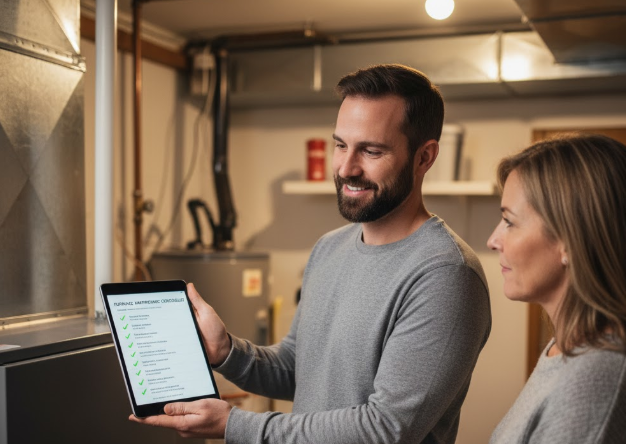
When a homeowner in Frisco is planning a furnace replacement Frisco, preparation is key. Replacing a heating system is not just about swapping old equipment for new — it demands forethought around safety, efficiency, and long-term performance. By taking deliberate steps before the installation team arrives, a homeowner can minimize disruption, avoid costly delays, and ensure the new unit operates optimally from day one.
What Should Be on Your Furnace Replacement Checklist in Frisco?
Furnace Replacement Frisco: Why Pre‑Installation Planning Matters
Before scheduling a replacement contractor, it’s wise to perform a professional assessment. An HVAC technician can evaluate your home’s square footage, insulation levels, and existing ductwork to recommend the right heating system capacity. This consulting step ensures that the new furnace won’t be oversized (which wastes energy) or undersized (which causes inefficiency). According to furnace installation guides, matching the unit to the home’s heating load is critical.
In Frisco, where summer heat dominates but a reliable heating system is still needed for cooler evenings and occasional winter dips, selecting an efficient system with a high AFUE rating ensures long-term savings.
How to Prepare the Physical Space Before Furnace Installation
Turn Off Utilities and Clear the Work Zone
Before the technicians arrive, the homeowner should safely shut off both the gas line (if applicable) and the electrical supply to the old furnace. Clearing the path to the furnace is equally important: removing clutter, furniture, or storage items ensures that installers have unobstructed access.
A clean, unobstructed environment not only speeds up the install but protects belongings and provides adequate room for technicians to maneuver. Standard practice includes removing flammable objects or materials near the installation site.
Inspect Ductwork, Ventilation, and Airflow
Ensuring that ductwork is in good condition lays the foundation for efficient heating once the new furnace is live. Before installation, a homeowner should inspect visible duct runs for leaks, damage, and poor insulation — especially in unconditioned spaces like attics or crawlspaces.
Poorly sealed or uninsulated ducts lead to heat loss, making the heating system work harder. It’s also helpful to have an HVAC professional test airflow during the pre‑installation inspection so any problems can be addressed proactively.
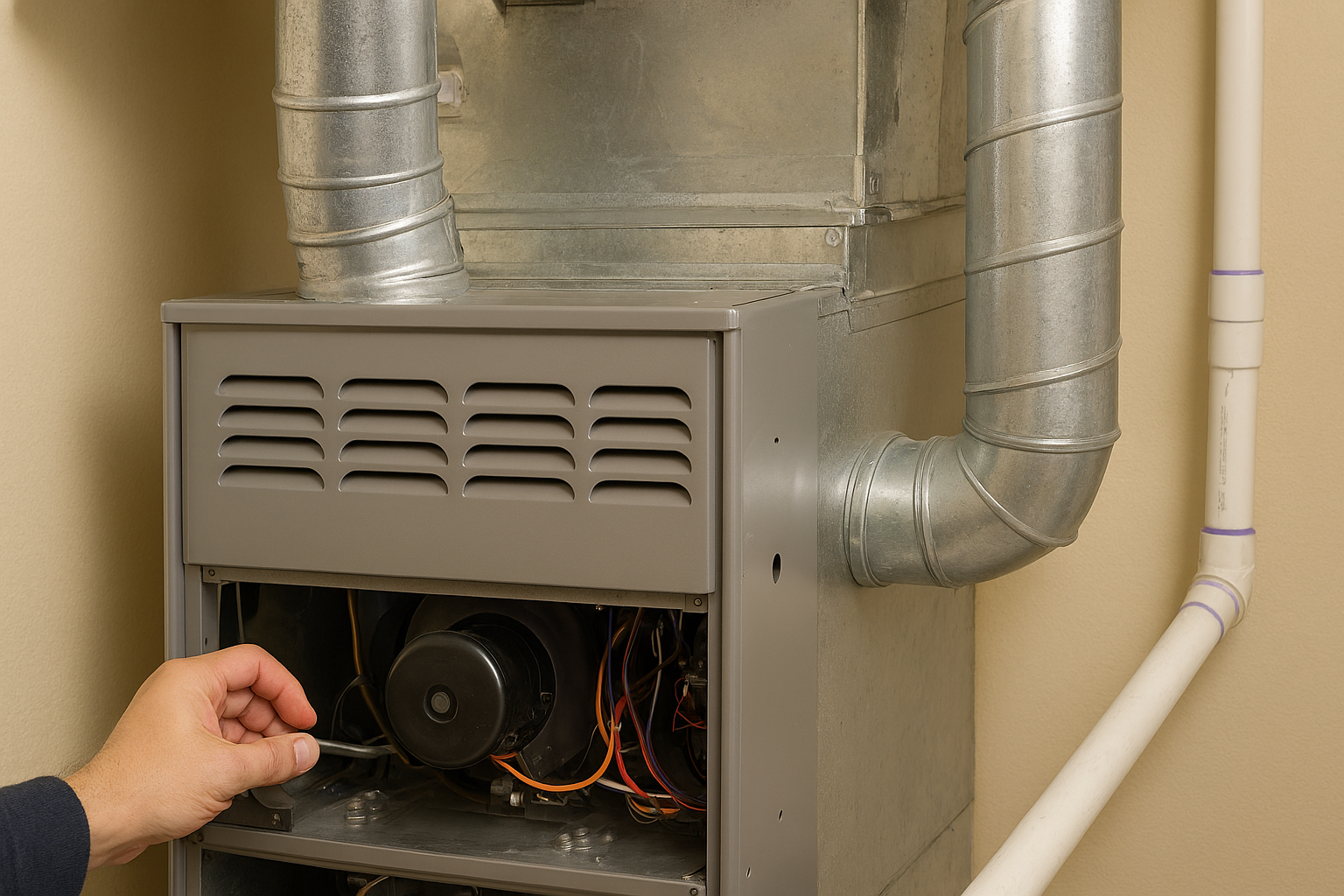
Proper ventilation is another vital step. Combustion-based furnaces require venting to exhaust harmful gases safely. That means checking vent pipes, flue connections, and ensuring that carbon monoxide detectors are installed and functional near the new system.
Safety First: Check for Hazards and Equipment Needs
During preparation, a homeowner should look for any potential safety hazards. Older homes may still have asbestos‑containing insulation, or building materials that could pose risk when disturbed. It’s wise to have professionals evaluate and remediate these hazards before the new furnace goes in.
In addition, smoke detectors and carbon monoxide monitors should be tested or replaced. During installation, the system will be disassembled and reconnected, so confirming that safety devices work properly gives peace of mind.
Confirm Permits, Contractor Credentials, and Scheduling
In Frisco, homeowners may need to check with local authorities or an HVAC contractor about permits. Ensuring all regulatory permits are secured ahead of time can avoid costly delays on installation day.
It’s also important to hire a reputable HVAC company. Homeowners should check for licensing, read reviews, and ask for a clear quote including equipment, labor, and any required upgrades. A pre‑installation walk-through with the technician helps clarify expectations, and the homeowner can ask questions or flag potential challenges.
Prepare for the Day of Installation
Clear Access for Technicians
On installation day, the homeowner should ensure that all entry paths to the furnace location are cleared. That means hallways, basements, utility rooms, or attics should be decluttered to allow for the movement of large equipment.
Providing a clean, well-lit environment helps installers work safely and efficiently. It’s also smart to temporarily relocate pets or children to another part of the house during the work.
Protect the Home from Dust and Debris
Installing a furnace can create dust or debris, especially when removing the old unit. Homeowners can lay down drop cloths, cover furniture, and close off adjacent rooms to minimize the spread of dirt.
These protective steps help preserve the interior of the house and reduce clean-up time after the installation.
After-Installation Preparation and Testing
Perform Post-Install System Testing
When the new furnace is installed, the technician should run a full system test. This includes verifying that the thermostat communicates properly, checking airflow from all vents, and ensuring that the system cycles on and off efficiently without short cycling.
The homeowner should also confirm that the new installation complies with safety standards: verifying gas connections, venting, and ensuring that its placement meets code requirements. A seasoned HVAC contractor will walk through the operation process with the homeowner and explain key features.
Understand Warranty and Maintenance Needs
At the conclusion of installation, it’s critical to review warranty coverage with the installer. Knowing what’s covered — and for how long — ensures that future repairs or part replacements are handled correctly.
Scheduling a furnace maintenance and preparation plan is the next step. Regular checkups — once a year, ideally before the heating season — help preserve efficiency, catch minor issues, and extend the life of the system.
Upgrading for Efficiency: Energy‑Efficient Furnace Considerations for Frisco Homes
Many homeowners choose this moment to upgrade to a high-efficiency furnace. Selecting a model with a strong AFUE rating helps reduce utility bills over time, particularly in a climate where heating is not needed 12 months of the year.
It’s also a good time to assess whether your current ductwork and insulation are sufficient. Sealing and insulating ducts in unconditioned spaces, or adding insulation in walls or attic, maximizes the benefit of a new, efficient heating system.
Why Clear Communication with Your HVAC Provider Makes a Difference
Good communication with the HVAC technician ensures a smoother installation. Homeowners should prepare a list of questions ahead of time — about system sizing, thermostat compatibility, replacement timeline, and any concerns specific to their home layout. A reputable HVAC company will take the time to explain what to expect, verify proper clearances, and walk through both the safety and operational features of the new furnace.
Monitoring and Maintenance After Replacement
In the months following a furnace replacement Frisco, homeowners should keep an eye on performance. Checking that airflow remains consistent, listening for unusual sounds, and verifying that energy bills behave as expected helps flag any post-install issues.
It’s also wise to set reminders for routine tasks: filter changes, carbon monoxide detector testing, and scheduling the first annual inspection.
Five Key Questions Homeowners in Frisco Often Ask
- How do I know what size furnace to get?
A professional HVAC technician can perform a heat-load calculation based on your home’s square footage, insulation, and ductwork layout. - Do I need to move out during installation?
It’s not usually necessary to leave the home, but clearing the area and keeping pets or children away from the workspace helps minimize disruption. - How long does a furnace replacement take?
A typical installation takes several hours, assuming no major duct or electrical modifications are needed. - Can I install a furnace myself?
Attempting DIY installation may void warranties, pose safety risks (especially with gas units), and requires technical compliance. Many professional HVAC installers recommend hiring a licensed contractor. - What happens if the ductwork is leaky?
If ducts are unsealed or in poor condition, installers can identify and seal leaks before or during the replacement. This helps maximize efficiency and ensures even heat distribution.
Conclusion
A furnace replacement Frisco is a significant home investment — but with careful preparation, it can be smooth, safe, and efficient. By following a detailed checklist that includes assessing ductwork, preparing the physical space, coordinating with a trusted contractor, and planning for post-install testing and maintenance, homeowners can ensure the best performance from their new heating system.
For expert guidance, seamless installation, and long-term support, Frisco residents may rely on Air Repair Pros. Their team is ready to advise, install, and service efficient furnaces tailored to Texas homes. Feel free to Contact them anytime for a consultation.
About The Author

 Reasons Why My AC Might Be Blowing Warm Air
  Window Replacement in Calgary: Cost Guide & Energy-Efficient Options for Alberta
Winters
Window Replacement in Calgary: Cost Guide & Energy-Efficient Options for Alberta
Winters  Why Plumbing Inspections Are Becoming Essential for Modern Homeowners