
Why Is My Furnace Producing Weak Airflow?
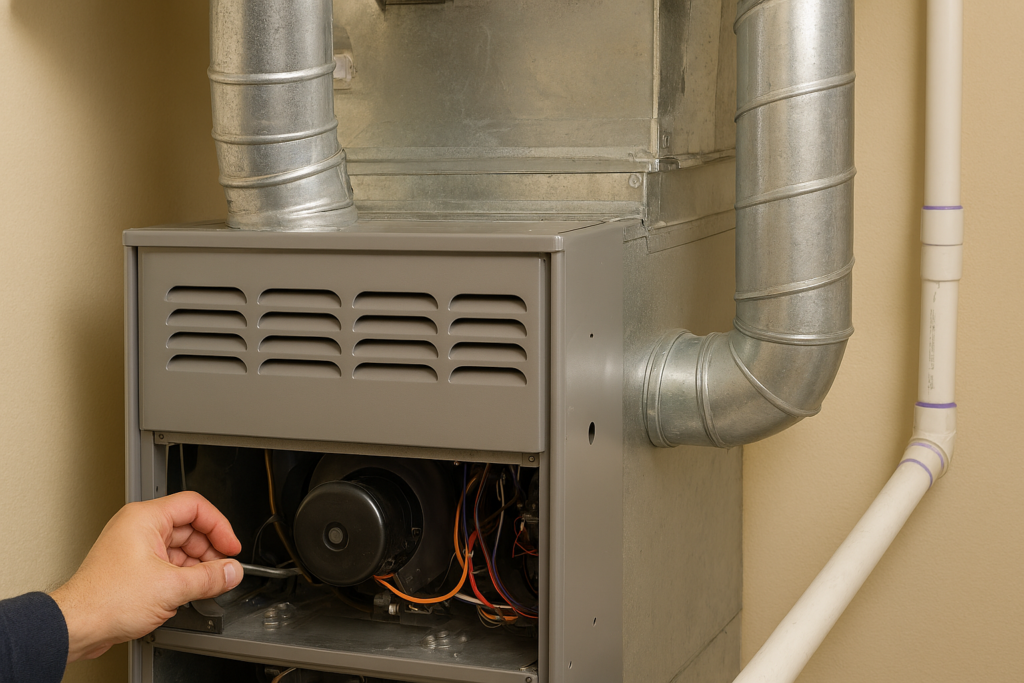
Furnace weak airflow typically arises from a combination of maintenance lapses and mechanical issues. A clogged air filter is one of the most frequent causes. Dust, pet hair, and debris accumulate over time, restricting airflow and forcing the furnace to work harder. Blocked or closed supply registers and return vents also contribute to poor circulation, while ductwork leaks allow heated air to escape before reaching living spaces.
Another critical factor is the blower motor. As the heart of the HVAC system, the blower motor pushes air through ducts and vents. If it malfunctions or slows down, airflow diminishes significantly. In some cases, thermostat settings that reduce fan speed or heating cycles can mimic airflow problems, leaving homeowners puzzled about the source of the issue.
How Do Dirty Filters Restrict Airflow in a Furnace?
Dirty filters are a leading cause of restricted airflow in furnace systems. When filters are clogged, air cannot pass freely through the system. This creates back pressure, which strains the blower motor and reduces efficiency. Over time, the furnace may overheat, cycle on and off more frequently, or even shut down entirely. Regular filter replacement is one of the simplest ways to prevent furnace airflow problems and maintain healthy indoor air quality.
Can Ductwork Problems Lead to Furnace Not Blowing Enough Air?
Yes, ductwork issues are a major contributor to furnace not blowing enough air. Leaks, blockages, or poor design can all restrict airflow. When ducts are damaged or improperly sealed, heated air escapes into walls or attics instead of reaching living spaces. Blockages caused by dust or debris further reduce circulation. Professional duct inspection and sealing can restore efficiency and ensure consistent heating throughout the home.
How Do Blower Motor Issues Affect Furnace Airflow?
The blower motor is essential for moving air through the furnace system. If the motor is dirty, worn out, or failing, airflow weakens. Signs of blower trouble include unusual noises, inconsistent airflow, or a furnace that runs but fails to heat rooms adequately. In many cases, blower motor repair or replacement is necessary to restore proper performance.
When Should Homeowners Seek Professional Help?
While some airflow problems can be solved with DIY maintenance, such as replacing filters or clearing vents, more complex issues require professional expertise. Persistent weak airflow may indicate deeper mechanical problems, such as failing components or poor duct design. Homeowners in Maryland can benefit from Furnace Repair Services in Maryland, where trained technicians diagnose and resolve airflow issues efficiently.
Conclusion
Weak airflow in a furnace is a common but serious issue that affects comfort, efficiency, and system longevity. From dirty filters and blocked vents to blower motor failures and ductwork leaks, multiple factors can contribute to the problem. Addressing these issues promptly ensures reliable heating and lower energy costs. For homeowners seeking expert solutions, First Response Heating & Cooling provides trusted services to restore optimal furnace performance.
FAQs (Frequently Asked Questions)
1. How often should furnace filters be replaced?
Most HVAC experts recommend replacing filters every 1–3 months, depending on usage and household conditions.
2. Can thermostat settings cause weak airflow?
Yes, incorrect thermostat settings can reduce fan speed or heating cycles, mimicking airflow problems.
3. How do I know if my ductwork is leaking?
Signs include uneven heating, higher energy bills, and visible gaps or damage in ducts.
4. Should I hire a professional for furnace airflow problems?
If basic maintenance does not resolve the issue, professional inspection is recommended to prevent costly repairs.
About The Author

 Onyx Spa Fastener RapiHomeDirect: The 2026 Buyer’s Guide To Secure, Quick Spa Installations
  How To Download RHDHomeRepairs By RapidHomeDirect (PDF) — Safe, Legal Steps For 2026
  How to Compare Personal Loan Options: A Framework for Home Repair Financing