
7 Signs My HVAC System Needs a Professional Tune-Up
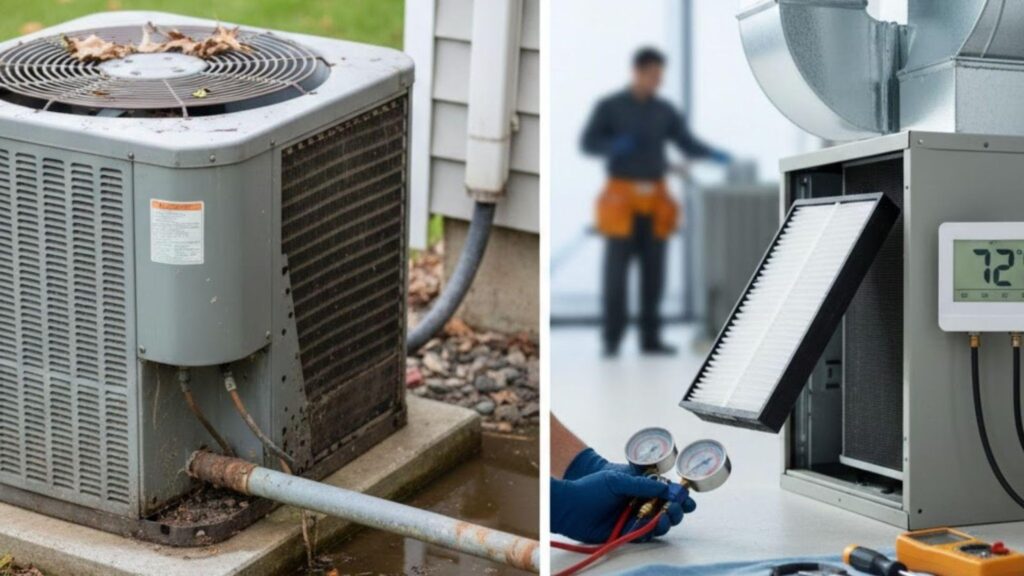
The most common HVAC tune-up signs include unusual noises, inconsistent temperatures, weak airflow, unpleasant odors, rising energy bills, frequent cycling, and declining indoor air quality. Each of these signals points to potential HVAC system performance issues that can worsen if ignored.
Unusual Noises and Vibrations
When an HVAC system begins producing rattling, banging, or squealing sounds, it often indicates loose components, motor problems, or ductwork issues. These noises are not just annoyances; they are early warnings that mechanical parts may fail. Addressing them during a tune-up prevents larger breakdowns.
Inconsistent Temperatures Across Rooms
Uneven heating or cooling is another clear sign. If one room feels like a freezer while another resembles a sauna, airflow distribution may be compromised. Dirty filters, blocked ducts, or failing thermostats often cause these imbalances. A professional tune-up restores proper circulation and comfort.
Weak Airflow
Weak airflow is one of the most overlooked HVAC tune-up signs. Reduced airflow often stems from clogged filters, dirty coils, or failing compressors. When airflow diminishes, the system works harder, leading to higher energy consumption and premature wear. Regular maintenance ensures ducts remain clear and components function efficiently.
Odors and Indoor Air Quality
Strange smells, whether musty, burning, or chemical are strong indicators of HVAC trouble. Musty odors often point to mold growth in ducts, while burning smells may suggest electrical faults. Chemical odors can signal refrigerant leaks, which pose safety risks. Declining indoor air quality, such as increased dust or allergens, also highlights the need for immediate service.
Rising Energy Bills
A sudden spike in utility bills without increased usage is a red flag. When HVAC systems struggle with dirty filters, worn-out parts, or blocked airflow, they consume more energy to maintain desired temperatures. This inefficiency not only raises costs but also shortens equipment lifespan. A tune-up restores efficiency and reduces unnecessary expenses.
Frequent Short Cycling
If the system turns on and off more frequently than usual, it may be short cycling. This issue often results from thermostat malfunctions, refrigerant problems, or dirty components. Frequent cycling strains the system, leading to overheating and eventual breakdown. Professional inspection during a tune-up resolves these issues before they escalate.
When should homeowners schedule HVAC tune-ups?
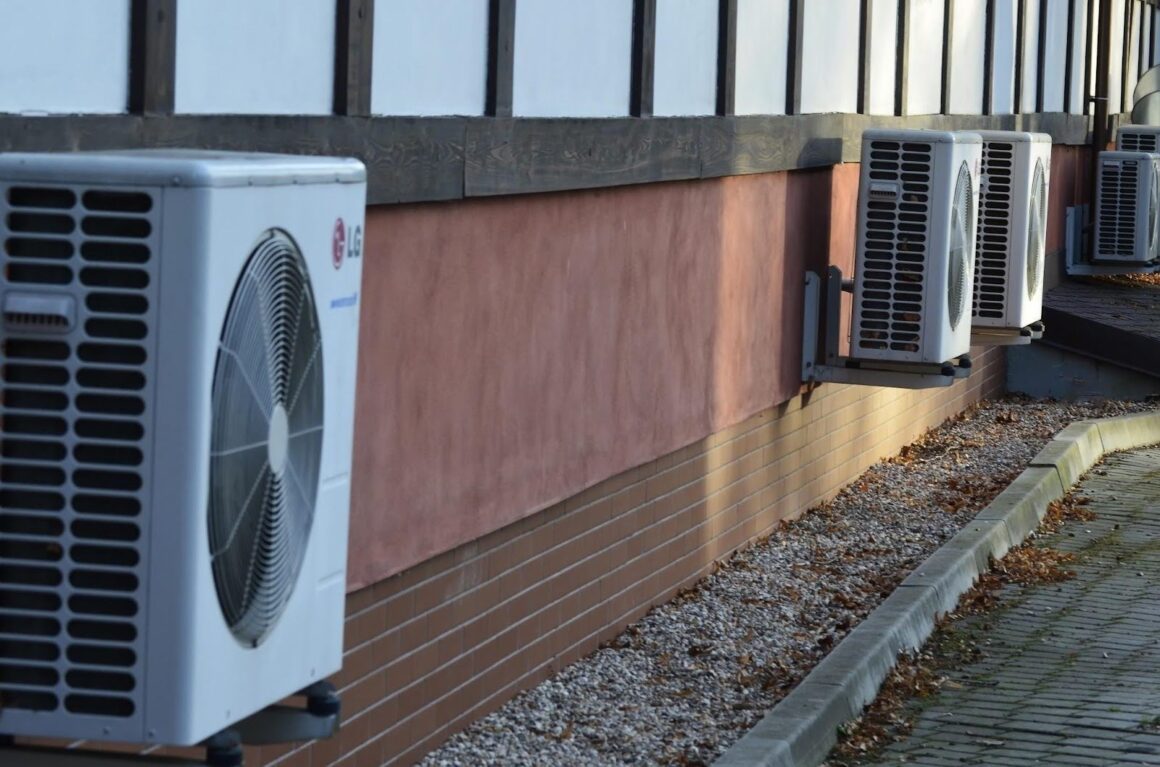
Experts recommend scheduling HVAC tune-ups at least once a year, ideally before peak seasons like summer and winter. Preventive maintenance ensures the system is prepared for high demand. Homeowners seeking reliable HVAC services in San Antonio, TX, often schedule seasonal tune-ups to avoid unexpected failures during extreme weather.
Conclusion
Recognizing HVAC tune-up signs early helps homeowners avoid costly repairs, improve efficiency, and maintain healthy indoor air. From unusual noises to rising energy bills, these HVAC maintenance warning signs should never be ignored. Scheduling regular service ensures consistent comfort and extends system lifespan. For trusted expertise and reliable solutions, homeowners can count on Sigma Air LLC.
FAQs (Frequently Asked Questions)
Q1: How often should an HVAC system be tuned up?
Most professionals recommend annual tune-ups, though older systems may benefit from biannual checks.
Q2: What happens during a professional HVAC tune-up?
Technicians inspect filters, coils, thermostats, ductwork, and electrical connections, ensuring optimal performance.
Q3: Can homeowners perform HVAC tune-ups themselves?
Basic tasks like filter replacement can be DIY, but deeper inspections require certified technicians.
Q4: Do HVAC tune-ups improve indoor air quality?
Yes, tune-ups remove dust, mold, and allergens from ducts and filters, enhancing air quality.
Q5: What is the average cost of an HVAC tune-up?
Costs vary by region, but most tune-ups range between $75 and $200, depending on system complexity.
About The Author

 How to Plan Whole-House Cabinetry for a Renovation or New Build
  Reasons Why My AC Might Be Blowing Warm Air
  Window Replacement in Calgary: Cost Guide & Energy-Efficient Options for Alberta
Winters
Window Replacement in Calgary: Cost Guide & Energy-Efficient Options for Alberta
Winters