
A Homeowner’s Guide to HVAC Maintenance for Unpredictable Weather

Record-breaking warm winter days immediately followed by cold snaps define the unpredictable weather of 2026. Temperatures are expected to fluctuate significantly throughout the year, putting substantial stress on residential infrastructure. Unprepared residents face steep financial costs and compromised safety when heating and cooling systems fail during these extreme climate swings.
This authoritative guide provides a clear framework for identifying equipment strain early. Homeowners will gain the knowledge needed to distinguish routine wear from critical failure before emergencies arise. Similar to maintaining a secure building envelope, proactive equipment care protects your property and budget. The National Weather Service continues to update its expectations for strong, unpredictable weather conditions, making immediate preventative action a strict requirement for property protection.
The Impact of 2026’s Erratic Climate Shifts on Residential HVAC Systems
Rapid temperature swings take a severe physical and financial toll on residential heating and cooling units. The frequency of heat waves in the Windsor-Essex area is projected to jump from 0.66 per year to a potential 5.74 per year by the 2080s, representing an almost nine-fold increase. Windstorms have already accounted for two-thirds of catastrophic insured losses in Ontario and Quebec between 2008 and 2021. These escalating environmental factors force mechanical equipment to operate far beyond standard design limitations.
How Thermal Expansion and Contraction Damage Equipment
Fluctuating cold-weather conditions cause severe physical damage to systems through repeated freezing and thawing cycles. Refrigerant pressure fluctuations, moisture buildup, and condensate line complications force systems to work harder due to thermal expansion and contraction within key components. This mechanical stress weakens critical seals and degrades electrical systems much faster than consistent weather patterns do. Operating a compromised system during volatile weather guarantees premature and expensive equipment failure.
These sudden atmospheric shifts frequently catch residents completely unprepared for system malfunctions. Emergency heating service calls typically spike by 40% during the first major cold snap of the season. The stakes for maintaining efficient machinery are incredibly high; in Ontario, space heating accounted for a massive 61.9% of residential energy use in 2023. Failing to maintain these systems results in exorbitant utility bills and leaves families vulnerable to freezing temperatures.
Diagnosing HVAC Issues: Standard Wear vs. Critical Component Failure
Interpreting system symptoms accurately separates inexpensive tune-ups from catastrophic unit replacements. Unexpected HVAC failures pose a significant financial risk for property owners, often costing thousands of dollars in emergency labor. Homeowners must recognize when a unit simply needs a minor adjustment versus when internal components face imminent breakdown. Accurately diagnosing these problems early is the most reliable way to control maintenance costs.
Preventing Cascading Failures in Heating and Cooling
Minor system imperfections during milder months escalate rapidly once temperatures severely rise or drop. Minor issues like slight refrigerant leaks expand quickly into major breakdowns once peak daily heat arrives. Recognizing these early warning signs stops premature failure before it fundamentally destroys the unit. Early diagnosis ensures the machinery operates safely during the most demanding weather conditions.
This rapid escalation is known within the industry as cascading failure. A relatively minor issue like a dirty evaporator coil or a failing capacitor puts undue, terminal strain on the compressor, which serves as the core of the unit. Funding repairs using personal loans for home repairs is often necessary if the compressor fails entirely.
| Condition Type | Common Symptoms | Immediate Action Required | Potential Risk if Ignored |
|---|---|---|---|
| Standard Wear and Tear | Dusty filters, minor operational noise, slightly slower cooling | Schedule routine seasonal maintenance | Decreased energy efficiency, higher monthly utility bills |
| Critical Component Failure | Strange odors, short cycling, completely failed ignition systems | Turn off the unit and call a certified technician immediately | Complete compressor failure, carbon monoxide exposure risks |
Maintenance Framework: DIY Tasks vs. Calling Certified Professionals
Establishing a clear boundary between safe homeowner tasks and required professional intervention prevents accidental injury and property damage. Improper maintenance disrupts operations and negatively impacts both building value and energy efficiency. Many internal mechanisms require specialized tools and diagnostic software that the average resident does not possess. Knowing when to step back and hire a certified contractor protects your substantial property investment.
Essential DIY Preventive Maintenance
Homeowners can safely complete several fundamental steps to ensure baseline system health. Checking vents and registers for potential obstructions like furniture and replacing filters after heavy seasonal use directly improves airflow and overall system efficiency. Executing these basic chores reduces daily mechanical strain.
- Replacing air filters every 30-90 days based on household dust levels.
- Clearing a two-foot clearance area around the outdoor condenser unit.
- Visually inspecting exposed ductwork for obvious tears or disconnections.
- Testing the thermostat functionality before severe weather arrives.
Securing Reliable Heating and Cooling Solutions in Bradford
With temperatures frequently fluctuating and creating high-stress weather environments, DIY limitations quickly give way to the necessity of professional expertise. LG Home Comfort stands as the trusted local provider for heating and cooling solutions in Bradford, delivering specialized care tailored to erratic climates. Certified technicians can properly diagnose complex issues, such as dangerous refrigerant leaks or intricate electrical faults. They explain every available repair or replacement option transparently, ensuring the homeowner remains fully informed.
Just as severe thunderstorms and high winds demand robust exterior construction, internal mechanical systems require comprehensive professional support to withstand harsh weather extremes. It ensures the living space remains a safe, comfortable sanctuary regardless of the forecast outside.

Preparing Your Home Comfort System for 2026 and Beyond
Preparing a residence for long-term climate volatility requires strategic system improvements and proactive scheduling. Taking advantage of the off-season or milder weather to schedule tune-ups is often the cheapest and most flexible time of year for preventative care. Planning allows residents to avoid the premium prices typically charged during peak summer and winter rush periods.
Adopting Smart Technology and High-Efficiency Upgrades
Modernizing climate control systems drastically reduces utility expenses while improving daily household comfort. Proper professional maintenance and proactive system upgrades result in energy savings of up to 20%. Installing a smart thermostat alone can save homeowners approximately 8% on their annual home energy costs. These technological improvements provide precise temperature management during periods of rapid weather fluctuation.
High-efficiency heat pumps are rapidly replacing traditional furnaces due to their adaptability and significantly lower operational costs. As of February 2026, the Canada Greener Homes Grant has issued over $748 million in grants to households in Ontario, with heat pumps leading as the most popular retrofit. Resetting the operational clock of your equipment before high-demand seasons begin prevents catastrophic breakdowns and keeps modern households running smoothly.
Fortifying Your Home Against Unpredictable Elements
Protecting residential property from erratic temperature shifts demands vigilance and timely professional intervention. With forecasts continuing to project increasingly unpredictable weather patterns, the financial risks of ignoring equipment maintenance are simply too high. Homeowners must take definitive action during mild months to secure their investments before severe weather strikes.
Recognizing the early signs of mechanical failure limits expensive damage and extends the lifespan of central air and heating units. Unseasonably warm conditions followed immediately by sudden deep freezes require machinery to operate at peak efficiency at all times. By partnering with certified local experts to maintain and upgrade your systems, you ensure your living space remains completely safe and perfectly climate-controlled all year long.
Disclaimer: This guide is for informational purposes only. Always consult a licensed and insured professional for specific advice related to your home or project. Follow all local building codes and safety regulations.
About The Author

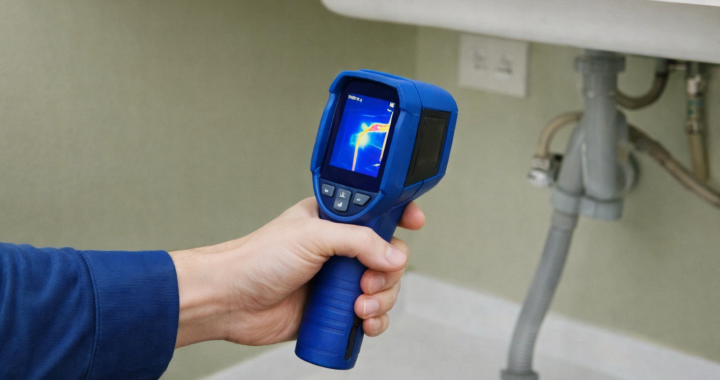 Stopping the Leak: How Hidden Plumbing Problems Drain Your Bank Account
  How Modern Residential Plumbing Solutions Reduce Long-Term Repair Costs
  Air Conditioning Repair Suwanee: Fast & Reliable AC Services