
A Seasonal Plumbing Checklist to Keep Your Home Ready

The plumbing in your house is a year-round hard-working machine that faces special challenges every season. The principle of proactive maintenance is the key to avoiding disruptive difficulties and expensive damage. You can protect your property by sticking to a seasonal checklist.
Autumn Preparation for the Cold
Autumn is the season to be ahead of freezing weather by fixing up plumbing outside. Unplugging hoses, emptying spigots, and closing interior valves prevent water from stagnating in lines where it is likely to freeze and break pipes. These measures are quick yet help avoid one of the most common winter plumbing failures, which leave you with the mess and cost of a broken line, just when temperatures have dropped. The first frost is a good time to get started, as the season’s coldest nights arrive unexpectedly.
It is also the season to build up weak points. Focus on unheated areas like basements and crawl spaces. Seal wall cracks with insulation, and don’t forget pipes behind cabinets or under sinks, since they’re the first to freeze. Investing in pipe insulation sleeves for these areas now is an excellent way to have a dependable barrier against that first hard freeze. Any early fall inspection also allows time to plan professional maintenance, such as replacing worn valves or installing a shutoff point, before repairs become more urgent and costly in winter.
Winter Vigilance and Prevention
The Winter season requires additional attention to protect your plumbing from both freezing conditions and subsequent failures. Let faucets drip on cold nights to keep water moving and reduce pressure. The simple act of opening cabinet doors beneath sinks built against perimeter walls promotes warm-air circulation, which protects the piping there.
Oil and grease should never be disposed of down the kitchen drain lines. Small amounts of cooking oil can harden when cooled. This forms persistent blockages that worsen with repeated use. Set the thermostat to a uniform level rather than significantly reducing the temperature. It’s cheaper to keep the heat on than to repair burst pipe damage.
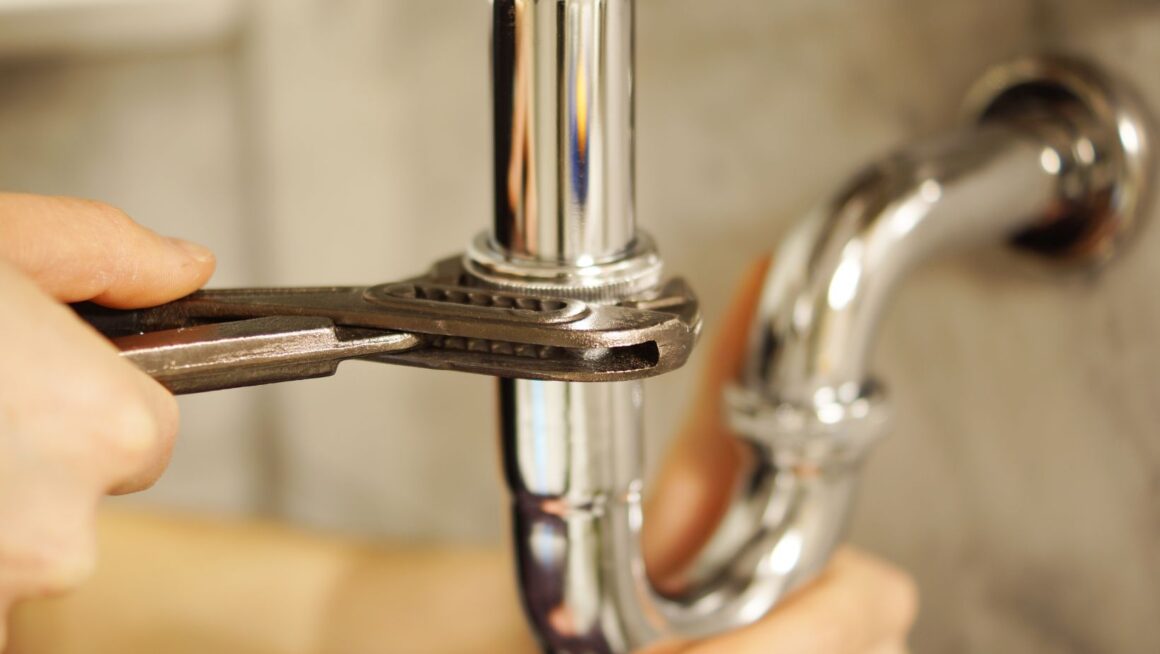
Look for minor indicators of trouble. Strange gurgling, weak water pressure, or uneven hot water can signal trouble. Acting early prevents minor issues from becoming mid-season crises. As much as routine care can assist, always have the contact number of reliable emergency plumbing services. Frozen pipes may burst without any warning. Quick action is usually the only solution to limit the potential damage.
Spring Inspection and Recovery
The transition between winter and spring is when plumbing is most likely to reveal latent stress. A thorough checkup will identify issues early enough, like slow leakage during freeze-thaw cycles. Begin by examining ceilings, walls, and under sinks, looking for water stains. These are typical indications of weak seals or joints. Check your water heater to make sure it is not rusty, and check your pressure relief valve.
Spring rains also strain drainage. Clean downspouts to avoid the collection of water around the house. Turn on indoor and outdoor spigots. Your pipes might be damaged from freezing if water trickles or drips. These inspections prepare your plumbing to handle heavier use in summer, so water will not harm your property. Having a comprehensive spring inspection is also a good way to ensure that not only is your plumbing free of winter wear and tear, but also adjusted adequately to the needs of the warmer season.
Endnote
It takes only a few hours each season to avoid all the stress and cost of such huge plumbing bills. You not only guard against water damage to your home but also prolong the life of your plumbing system and feel more secure by adhering to this list. This approach turns emergencies into manageable problems and builds lasting trust in your plumbing system.
About The Author

 5 Questions to Ask a Plumbing Company Before Hiring Them For Home Plumbing Repairs
  Stopping the Leak: How Hidden Plumbing Problems Drain Your Bank Account
  How Modern Residential Plumbing Solutions Reduce Long-Term Repair Costs