
Bathroom Remodel in Nassau County: What Homeowners Should Know Before Starting
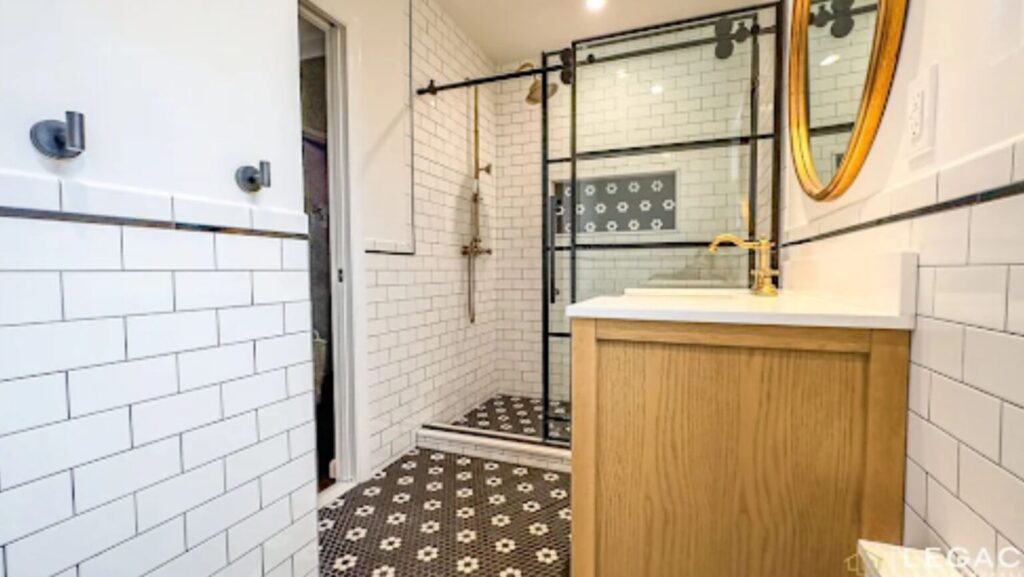
A bathroom remodel is one of the most popular home improvement projects in Nassau County. Whether you’re dealing with an outdated layout, worn fixtures, or limited storage, a remodel can improve comfort, function, and long-term value. But before starting a bathroom remodel in Nassau County, it’s important to understand the process, local considerations, and planning steps involved.
Many homeowners jump straight into design ideas without preparing for what comes next. Knowing what to expect before work begins can help you avoid delays, unexpected costs, and unnecessary stress.
1. Understand Why You’re Remodeling
Every successful remodel starts with a clear purpose. Before choosing tiles or fixtures, take time to define your goals.
Common reasons homeowners remodel include:
- outdated or worn bathrooms
- poor layout or lack of storage
- water damage or ventilation issues
- accessibility or safety upgrades
- preparing a home for resale
Clarifying your reason helps guide decisions throughout the project and keeps priorities in check.
2. Set a Realistic Budget Early
Budgeting is one of the most important steps in a bathroom remodel in Nassau County. Costs can vary widely depending on the size of the bathroom, material choices, and whether plumbing or electrical systems need updates.
A realistic budget should account for:
- fixtures such as toilets, sinks, and tubs
- flooring and wall materials
- lighting and ventilation
- labor costs
- permits and inspections
- a contingency fund for surprises
Older homes in Nassau County may hide issues behind walls or floors, so setting aside extra funds can prevent delays later.
3. Know Local Permit and Code Requirements
Bathroom remodels often require permits, especially if plumbing, electrical, or structural changes are involved. Permit requirements can vary by town or village within Nassau County.
Permits may be needed for:
- relocating plumbing fixtures
- upgrading electrical wiring
- installing new ventilation systems
- changing walls or layouts
Skipping permits can lead to fines, project delays, or issues when selling your home. Understanding these requirements early helps keep the project compliant and on track.
4. Plan the Layout Carefully
A bathroom’s layout has a major impact on daily use. Before finalizing design choices, consider how the space functions.
Layout planning should focus on:
- clear walking paths
- proper door swing and clearance
- efficient fixture placement
- storage solutions
- accessibility needs
Some homeowners keep the existing layout to reduce costs, while others reconfigure the space to improve flow. Both approaches can work, depending on goals and budget.
5. Choose Materials That Suit Local Conditions
Nassau County experiences seasonal humidity, temperature changes, and moisture exposure. Choosing the right materials helps ensure durability and ease of maintenance.

Material considerations include:
- water-resistant flooring
- mold-resistant wall materials
- durable countertop surfaces
- non-slip tiles for safety
- finishes that are easy to clean
Materials should balance appearance, function, and long-term performance rather than focusing only on trends.
6. Understand the Typical Remodel Timeline
A bathroom remodel in Nassau County usually follows a predictable timeline, though exact durations depend on project complexity.
Typical stages include:
- planning and design
- permit approvals
- demolition
- plumbing and electrical work
- installation of fixtures and finishes
- final inspection and cleanup
Smaller remodels may take a few weeks, while larger or more complex projects can take longer. Weather, inspections, and material availability can also affect timelines.
7. Prepare Your Home for Construction
Remodeling can disrupt daily routines, especially when a bathroom is temporarily unavailable. Preparing your home ahead of time helps reduce inconvenience.
Preparation steps include:
- removing personal items from the bathroom
- setting up an alternative bathroom if possible
- protecting nearby rooms from dust
- planning for noise during work hours
Clear communication and preparation make the remodeling process easier for everyone involved.
8. Expect Some Unexpected Findings
Even well-planned projects can uncover surprises, especially in older homes. During demolition, contractors may find issues such as:
- water damage
- mold
- outdated plumbing
- electrical problems
- structural wear
Addressing these issues early is important for safety and long-term durability. While surprises may affect the budget or timeline, resolving them properly helps prevent future problems.
9. Think About Long-Term Use and Maintenance
A bathroom remodel should support your needs for years to come. Consider how the space will be used long-term.
Long-term planning includes:
- choosing easy-to-clean surfaces
- ensuring proper ventilation
- selecting durable fixtures
- planning for aging-in-place if needed
A practical design can reduce maintenance needs and keep the bathroom functional over time.
10. Final Inspection and Project Completion
Once construction is complete, a final inspection or walkthrough helps ensure everything meets expectations. Homeowners should test fixtures, check finishes, and confirm that all work aligns with approved plans.
Any small adjustments are usually addressed before the project is officially finished.
Final Thoughts
Starting a bathroom remodel without preparation can lead to frustration and delays. By understanding the planning process, local requirements, budgeting needs, and potential challenges, homeowners can approach a bathroom remodel NY with confidence. Taking the time to plan ahead helps ensure a smoother renovation and a bathroom that meets both practical and lifestyle needs.
If you’re considering a remodel, learning the basics before starting is one of the best ways to protect your investment and enjoy the results.
About The Author

 How to Protect Furniture During a Remodel
  DIY Weekend Projects That Add Value to Your Home
  How Classic Film Sets Influence Modern Home Renovations