
Climate-Smart Design: Bringing Vacation Comfort to Your Home Renovations
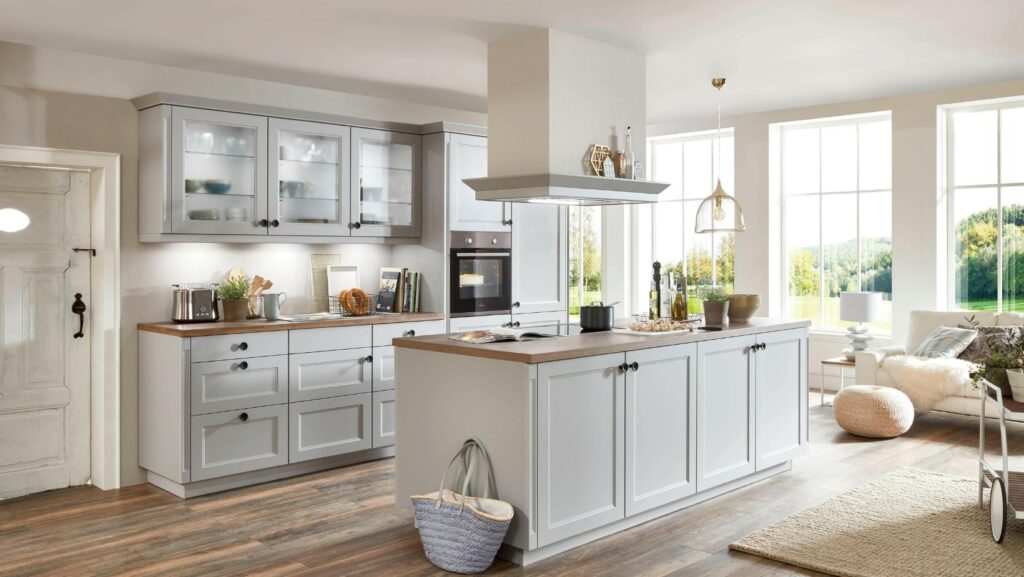
Imagine: you arrive home after a holiday, and something about your house feels off. Not emotionally, but physically.
The room feels stuffy, and the sun beats through the windows in the afternoon. You may even find yourself reaching for the air conditioner remote within an hour of walking through the front door.
Meanwhile, your holiday home stayed cool without even trying.
This isn’t an accident, though. It all comes back to how vacation homes are designed.
What Climate-Smart Design Really Means
Climate-smart design means using your home’s layout or orientation to manage the temperature before you need to rely on heating or cooling systems. And it’s not a secret concept only known by architects with big budgets. It’s a way of thinking about your home and how it relates to the local climate.
When your house is well-oriented and/or properly insulated, your temperature control systems have to do a lot less work. That’s better for you and your energy bills! It’s also a great way to make your home feel more livable day-to-day.
Design Lessons You Can Learn from Holiday Homes
Holiday homes get their designs right. Although it’s usually out of necessity, there’s a lot you can take away from the way they’re laid out.
Light and orientation
A well-positioned vacation home typically uses roof overhangs or deep verandahs to let the winter sun in while also blocking the harsh summer sun. Architects actually calculate the angles around how the sun moves in that particular spot.
When you’re renovating your home, this can translate into adding external shading to your windows or thinking more carefully about where you add openings in new rooms.
Additionally, passive solar design can lessen your home’s energy use without the need for big structural changes.
Natural airflow
Cross-ventilation is one of the simplest things you can do for a warm house. Air comes in one side, exits the other, and the space naturally cools down.
Holiday houses in hotter areas rely on this constantly. In your own home, this might just mean moving a window or adding a louvred panel somewhere where air tends to get stuck.
Indoor and outdoor spaces
A covered outdoor space that flows into your living space can do more than just look good. The shade it makes can actually cool the room next to it as well. Plus, the breeze moving through outside can be pulled through the inside of your home, too.
While this may seem like a simple step to take, it can make a real difference to how your home feels in the summer.
Renovation Choices That Improve Everyday Comfort
A few good decisions here can go a long way. It’s worth prioritizing underfloor and ceiling insulation because that’s where most of your heat gain (and loss) is happening.
Thermal mass materials like concrete floors and stone slabbing absorb heat during the day and gradually release it at night. This can keep indoor room temperatures steadier without any external intervention.
Remember, older wiring and outdated floorboards can work against your home’s energy efficiency. There’s no wonder that keeping your home electrics maintained is so often overlooked until it becomes a significant problem.
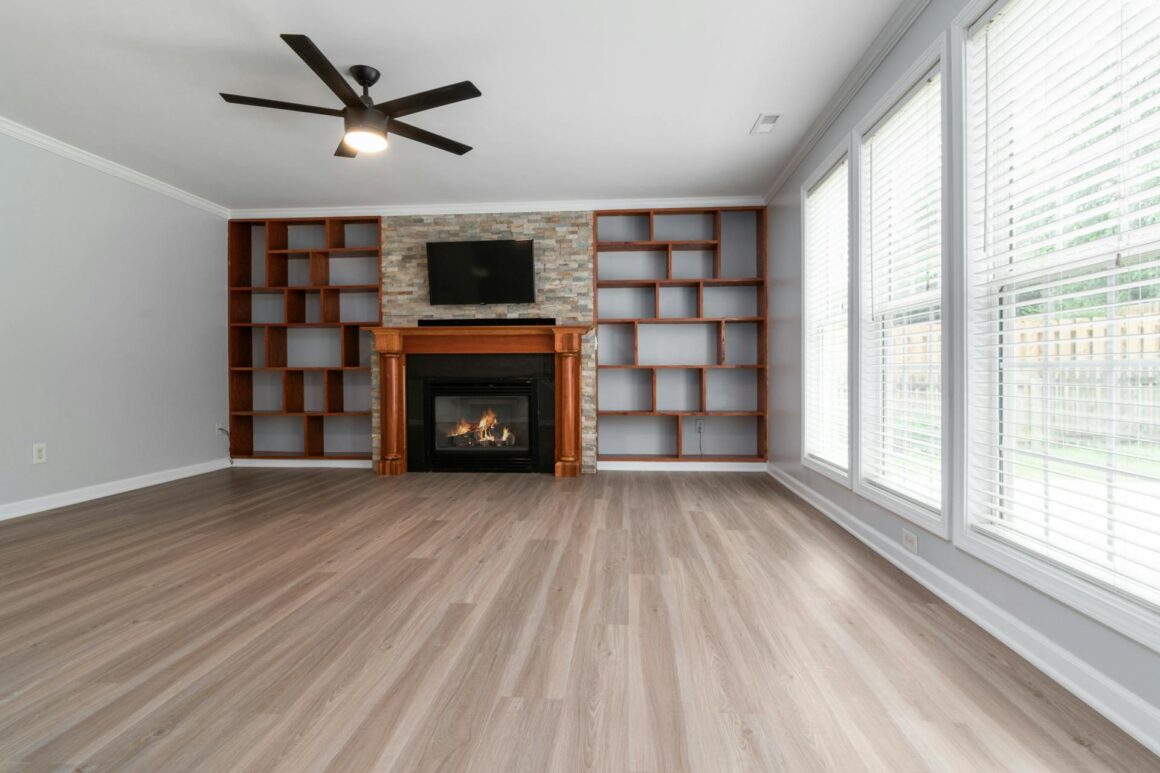
If you’re on a budget, external shading on bigger windows is a lot more cost-effective than replacing the glass. It’s not a big ticket move, but it can make a major difference when you pair it with some other climate-savvy renovation choices.
Rethinking Comfort in Home Renovations
There are thousands of vacation homes that are worthy of photographing and sharing to your Instagram feed. But the holiday houses that really stick in your mind and heart are the ones that are designed for how people actually live.
Whether the inspiration struck after your Alaskan cruise or on a long weekend in a well-designed rental, the feeling of effortless comfort is worth chasing at home.
About The Author

 5 Questions to Ask a Plumbing Company Before Hiring Them For Home Plumbing Repairs
  Stopping the Leak: How Hidden Plumbing Problems Drain Your Bank Account
  How Modern Residential Plumbing Solutions Reduce Long-Term Repair Costs