
Creating a Cozy Bedroom Sanctuary – Timeless Design Principles
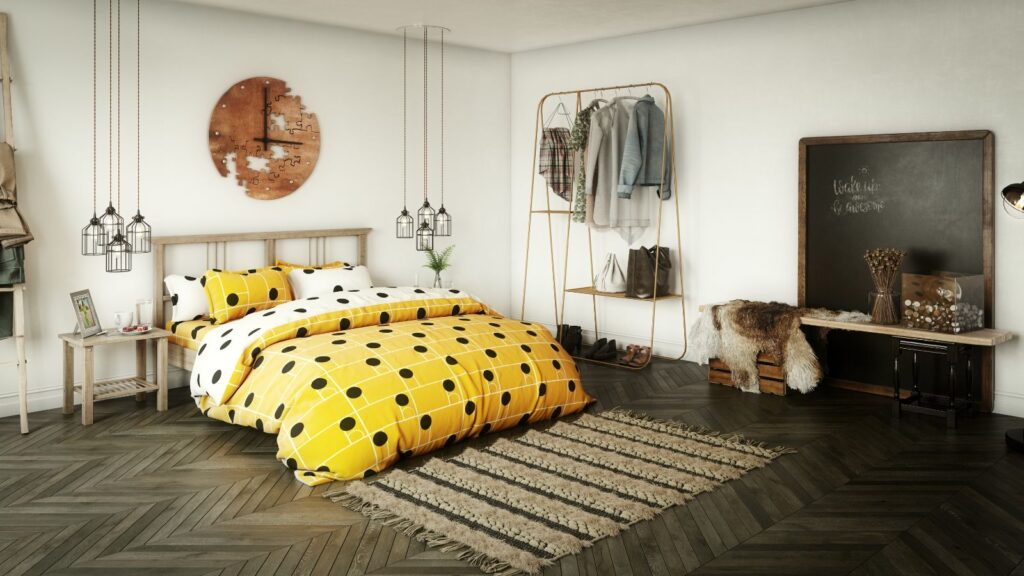
Your bedroom is far more than a place to sleep—it’s your personal haven, crucial for rest, renewal, and overall well-being. The design choices you make in this intimate space can profoundly impact both sleep quality and mental health, fostering an environment that works in harmony with your body’s natural rhythms. Contemporary design has evolved toward cocoon-like spaces that emphasize comfort, rich textures, and tranquility rather than the cold minimalism that dominated previous decades.
The Rise of Cocoon-Inspired Bedrooms
When choosing foundational pieces that define your room’s cozy character, options like Modani Beds offer versatile sculptural and upholstered designs that embody modern comfort while anchoring your personal sanctuary.
Cocoon sanctuaries embrace a deliberate design philosophy that cultivates feelings of safety and calm through carefully chosen elements. These nurturing spaces showcase layers of sumptuous bedding, blackout window treatments, and gentle, warm lighting that wraps you in comfort. Research in environmental psychology backs up these design decisions, demonstrating that rooms rich in soft textures and thoughtfully controlled lighting help maintain healthy circadian rhythms while lowering stress hormones.
Key Takeaway Box:
– Plush textures: Layer fabrics of different weights and weaves to create tactile richness
– Layered lighting: Blend ambient, task, and accent lighting for complete mood control
– Sound-absorbing materials: Incorporate thick rugs, substantial curtains, and upholstered surfaces to dampen unwanted noise
Picture a compact urban bedroom transformed by floor-to-ceiling drapery that hugs the walls, complemented by a luxurious wool rug that muffles footsteps and radiates warmth. This strategy amplifies the cocoon effect even when space is at a premium.
Embracing Texture and Layered Comfort
The design community has witnessed a dramatic shift from stark minimalism toward warm modernism and European maximalism, celebrating layered textiles, mixed patterns, and materials that beg to be touched—think brushed wools or raw plaster finishes. Curved and sculptural bed frames become stunning focal points that soften a room’s sharp angles while promoting psychological calm through their flowing, organic shapes.
Achieving that perfectly lived-in aesthetic without descending into chaos requires thoughtful layering of linens, quilts, and throws in textures and weights that complement rather than compete. The secret lies in combining materials that feel irresistible to the touch while maintaining visual harmony throughout the space.
Texture layering essentials:
– Natural fiber bedding in varying weights and weaves
– Vintage or handwoven rugs that add warmth underfoot
– Sculptural accents in unlacquered metals or weathered wood
– Textured wall treatments like lime plaster or natural grasscloth
Lighting and Ambiance for Restful Retreats
Layered, mood-first lighting marks a revolutionary departure from harsh overhead fixtures toward sculptural table lamps, patterned lampshades, and seamlessly integrated bedside lighting. This philosophy supports what designers now call sense-scaping—the artful marriage of texture, scent, soft illumination, and soothing mid-tones like whispered sage greens or earthy clay hues.
Gentle, diffused lighting eliminates the harsh glare that can interfere with your body’s natural wind-down process, while multiple light sources offer complete customization throughout the day. From a technical standpoint, warm-toned bulbs (2700K-3000K) paired with dimmer switches actively support your body’s natural melatonin production.
Consider transforming a corner into an intimate reading nook with adjustable wall-mounted sconces and gossamer drapes that filter daylight, creating a space that’s both functional and atmospheric.
Statement Headboards and Architectural Details
Supersized headboards and elegant half-tester canopies have become room-defining features that inject both drama and intimacy into bedroom spaces. These architectural statements create substantial visual weight and a sense of psychological enclosure that deepens the sanctuary experience.
Custom integrations—think built-in storage niches or seamlessly incorporated lighting systems—deliver personalized solutions that eliminate clutter while maximizing every square inch of functionality.
Feature
Traditional Style
Modern Cocoon Style
Headboard
Flat, upholstered
Oversized, curved/sculptural
Integration
Standalone
Built-in lighting/storage
Effect
Basic support
Focal sanctuary point
Curating Color and Personal Expression
New neutrals and color drenching techniques embrace warm, enveloping tones—soft blues, rich terracotta clays, and sophisticated marble grays—applied strategically as accents. This refined approach to balanced maximalism weaves together curated patterns and vintage treasures without creating visual chaos.
Steps for selecting a cohesive palette:
1. Evaluate your room’s natural light quality and orientation
2. Select one dominant neutral as your foundation
3. Layer in two accent colors at varying intensities
4. Test your color combinations under different lighting conditions
5. Introduce patterns gradually through carefully chosen textiles and artwork
Building Your Personal Sanctuary
Creating a timeless bedroom sanctuary revolves around prioritizing texture, thoughtful lighting, and personal comfort—elements that work together to nurture both physical rest and mental restoration. This holistic approach results in a space that gracefully adapts to your evolving needs over time.
Before diving into changes, identify one foundational element—perhaps your bed frame—to update first, then build your layers gradually. This mindful strategy ensures each new addition enhances rather than overwhelms your personal retreat, ultimately creating a space that truly serves your daily need for renewal and restoration.
About The Author

 Hellenistic Interior Design is Back for 2026
  Why Abstract Art Works in Clean, Open Layouts