
From Vision to Reality – Turning Home Design Ideas into Functional Living Spaces
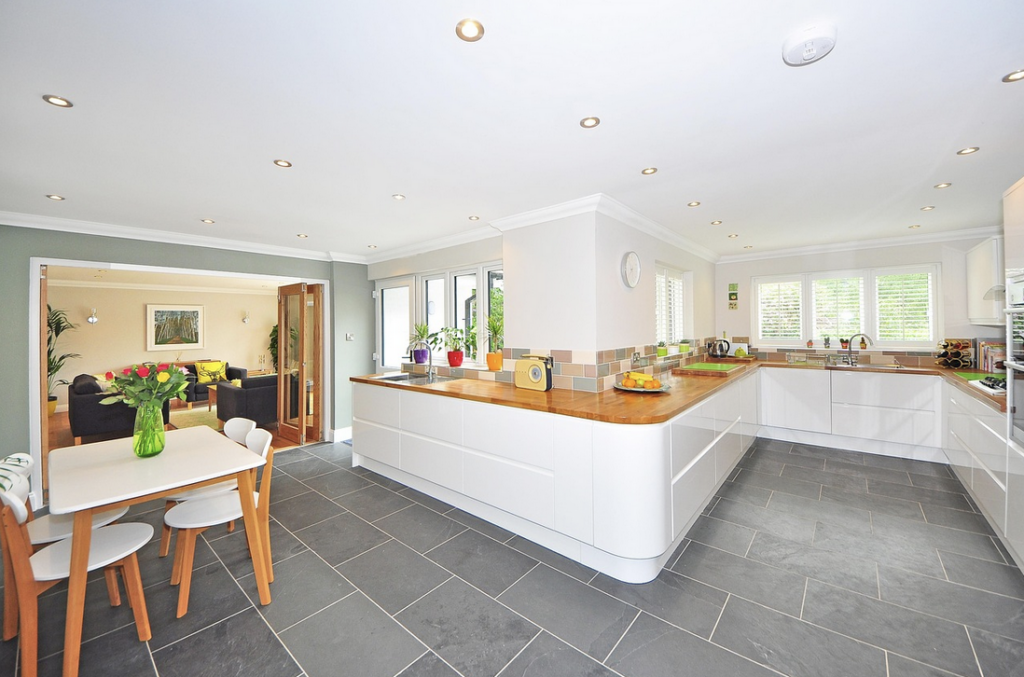
If you can dream it, you can do it! So say home design experts, transforming dreams into realities for homeowners across the land. Many folks dream of bringing bold ideas to fruition. We’ve scrolled through interior design feeds, saved photographs of sun-drenched kitchens, perhaps even minimalist mudrooms. These enticing milieus are worlds away from our current ‘lived-in’ reality.
Perhaps it’s the stark contrast that is so appealing; a fresh break from the status quo. Granted, the gap between a Pinterest board and a floor plan often feels like a canyon. But the transformation is less about having a limitless budget or a Master’s degree in architecture. It’s more about the art of the pivot; about taking high-concept aesthetics and grounding them. This new reality is about owning these design concepts in your home.
It’s all About the Flow
Often, homeowners select their furniture before they’ve defined the flow. Think of the layout of a public room, perhaps the lounge. If you’re constantly having to navigate obstacles like a coffee table, an armchair, or the planters to get to the sofa, then the design has failed. Ideally, a home should be thought of as a series of zones. There are several key zones in a home, notably:
- The Social Zone – These are areas of a home that encourage conversation and engagement.
- The Sanctuary Zone – As its namesake suggests, the sanctuary zone features quiet corners with soft lighting. This is a place where decompression occurs.
- The Command Zone – A command zone is a functional milieu that keeps the chaos of daily life organized.
Ideally, homeowners ought to design for function first. Ironically, beauty naturally follows. The burning questions of the day are ‘How do I want to feel when I walk through this door’ or ‘How do I feel when I enter this room?‘
The concept of functional living isn’t a modern trend; it’s a design philosophy that has been evolving for many years.
This shift toward homes that prioritize utility and form was famously pioneered by movements like the Bauhaus, which taught us that a house should be a ‘machine for living’ – a space that serves its inhabitants perfectly
The Rubber Hits the Road
Then reality hits. How are these beautiful transformations going to be paid for? Every design idea worth implementing has an inherent cost. All of these quality renovations that add value to the home and everyday life require a solid financial foundation.
While many folks tap into traditional savings or high-interest personal loans, savvy homeowners seek out smarter ways to leverage what they already own. It all boils down to equity. The more you have, the better. For instance, many homeowerns are blissfully unaware that their professional background or life status can unlock unique funding paths.
It’s true. A fantastic example is the military community. For many veterans and active-duty service members (+ certain family members), home equity is a powerful tool that often goes underutilized. Many homeowners wrongly assume that they have to use the traditional, costly bank loans or lines of credit.
For those who belong to this group, there are effective ways to fund a major kitchen overhaul or a structural addition to the home. A VA cash out refinance option can be a smooth and calculated way to access the capital needed to bridge that gap between someday and today. It’s one of the many financial perks of self-sacrifice that military members get to enjoy. With a cash-out refi, a daunting renovation budget suddenly becomes a manageable plan.
For everyone, including those who aren’t veterans, the lesson is clear: always look for the hidden benefits that apply specifically to your situation. These could be energy-efficiency tax credits, specialized local grants, first-time homeowner mortgage benefits, limited down payment requirements for medical doctors, etc.
What Comes After the Budget
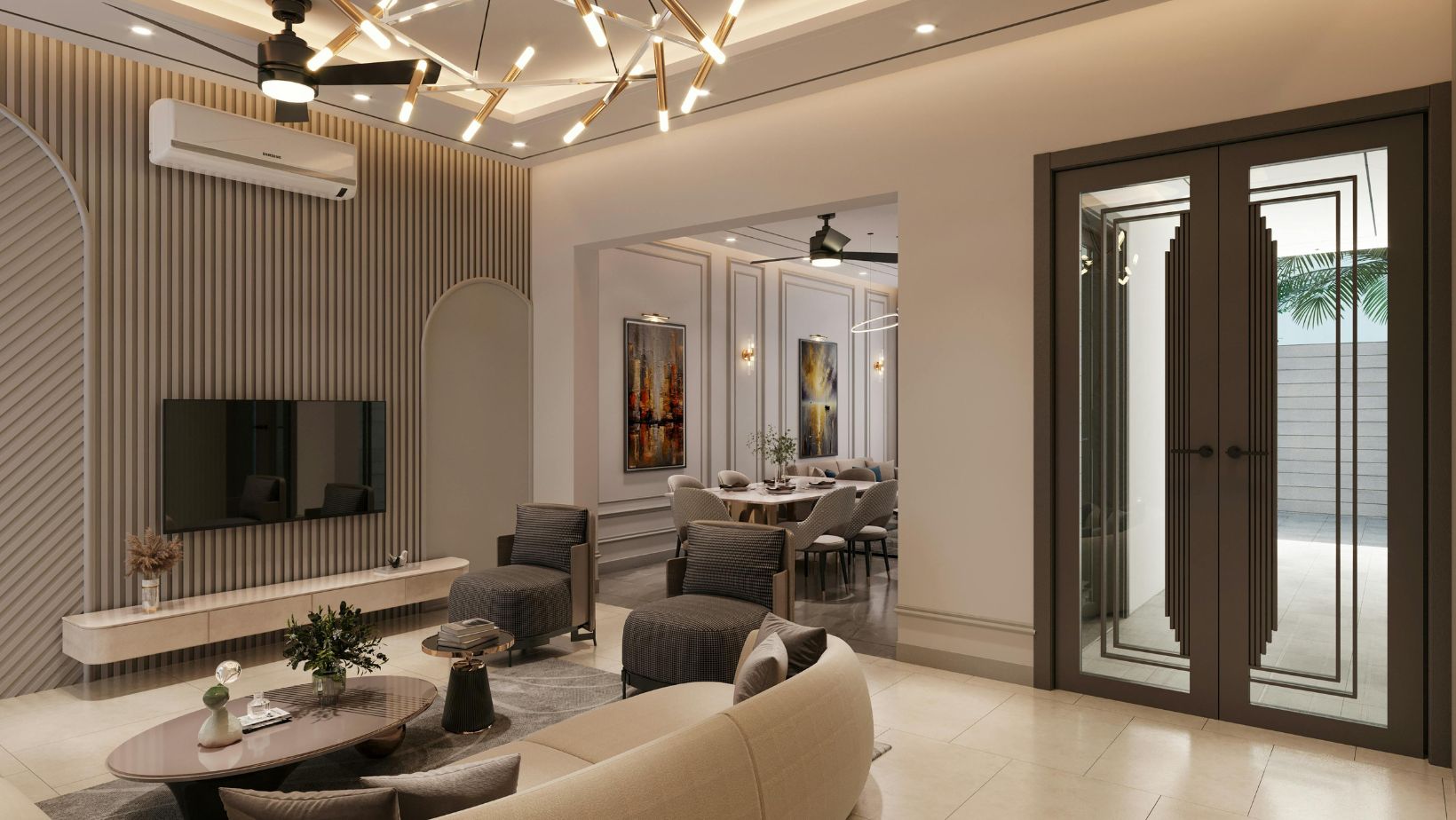
Once the budget is approved, it’s time for the tactile part of the vision. Nowadays, there is a shift away from fast furniture towards biophilic design. In English, that’s the practice of bringing the outdoors inside the home. To liven up the home, it’s a good idea to seek out performance fabrics that can withstand the impact of everyday use.
Another good idea is the implementation of tactile contrast, where rough-hewn woods are paired with sleek matte metals. And then, of course, there’s lighting. It’s best to opt for lighting that mimics the natural circadian rhythms. Cool tones in the mornings and warm hues at night.
It’s All About You
Home design ideas are expressly tailored to the individual. It’s not about making your home look like a showroom – that’s an impossibly high standard to live by. Rather, it should look like a story that’s being written, with your arc, narrative, cadence, and style. The most exciting homes are lived in and loved.
Never be afraid to mix a high-end light fixture with a vintage rug sourced at a flea market. Contrasts can be beautiful, glamorous, and enticing. Transforming a vision into reality is a process of layering and adjusting. Occasionally, it’s about reimagining. Whether you’re breaking down walls or refreshing a color palette, the end goal is the same: create a space that feels like your dream and enjoy it.
About The Author

 Who Is Jules Perosky? Inside The Rapidhomedirect.com Connection (2026 Update)
  Qylendrise Vyxorith: Profile Of The RapidHomeDirect Author Behind Today’s Real Estate Coverage (2026)
  Kenneth Stevenson: The Writer Behind RapidHome Direct — Profile, Work, and How He Helps Renters (2026)