
How Modern Residential Plumbing Solutions Reduce Long-Term Repair Costs

Quick Answer
Modern residential plumbing solutions help homeowners avoid costly emergency repairs by focusing on prevention, efficiency, and smart technology. Upgrading to durable materials, installing leak sensors, and scheduling routine inspections can significantly extend your system’s lifespan. These proactive measures minimize unexpected breakdowns, reduce water waste, and protect your property from expensive structural damage – delivering peace of mind and measurable savings over time.
Introduction
Imagine waking up to the sound of dripping water behind a wall – or worse, discovering a flooded basement after a harsh Canadian winter. These scenarios aren’t just inconvenient; they’re costly reminders that outdated or neglected plumbing systems can quickly turn into financial burdens. For many homeowners, the question isn’t whether a plumbing issue will arise, but when – and how prepared they’ll be to handle it.
The good news is that modern approaches to home infrastructure are changing the game. By integrating smarter materials, proactive monitoring, and expert guidance like Quicker Rooter’s residential plumbing solutions, homeowners can shift from reactive fixes to strategic, long-lasting protection. This evolution isn’t about waiting for problems – it’s about preventing them before they start.
In this guide, we’ll explore how today’s innovative plumbing technologies and practices directly contribute to lower lifetime repair expenses. From smart sensors that catch leaks early to durable piping materials designed for Canadian climates, you’ll discover practical, actionable insights to safeguard your home – and your budget – for years to come.
How Modern Plumbing Innovations Deliver Lasting Savings
Today’s residential plumbing isn’t just about fixing leaks – it’s about building resilience. By adopting forward-thinking solutions, homeowners can significantly reduce the frequency and severity of repairs while extending the functional life of their entire system. Below are three key areas where modernization creates measurable, long-term value.
Smart Monitoring Catches Issues Before They Escalate
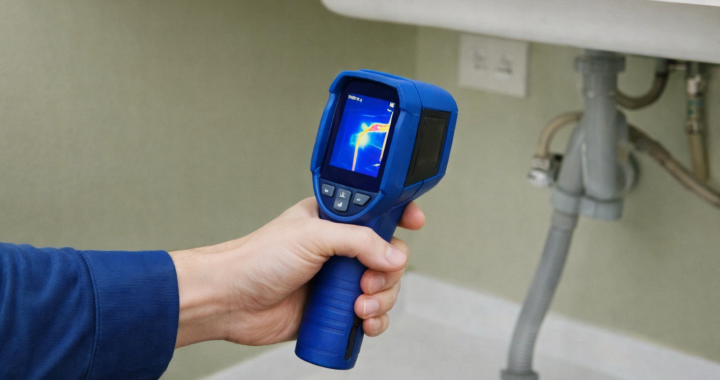
One of the most impactful advances in residential plumbing is the rise of intelligent monitoring systems. Unlike traditional setups that only reveal problems after damage occurs, modern sensors can detect subtle changes in water flow, pressure fluctuations, or moisture levels behind walls. This proactive approach to leak detection and pipe care allows homeowners to address minor issues – like a slow drip or early-stage corrosion – before they evolve into major emergencies.
For example, a smart water shutoff valve can automatically halt flow when an unusual pattern is detected, potentially preventing thousands of dollars in structural repairs. When paired with mobile alerts, these tools put real-time control in your hands, no matter where you are.
Advanced Materials Withstand Seasonal Extremes
Canadian homes face unique plumbing challenges: freezing winters, humid summers, and hard water in many regions. Modern materials like cross-linked polyethylene (PEX) piping resist cracking under temperature swings and don’t corrode like older metal lines. Similarly, epoxy-lined pipes can rehabilitate aging systems without invasive excavation, preserving both your property and your budget.
| Material Type | Best For | Lifespan Estimate | Key Benefit |
| PEX Piping | Cold-climate installations | 40–50 years | Flexible, freeze-resistant |
| Copper (Type L) | High-pressure lines | 50+ years | Durable, recyclable |
| Epoxy-Lined Steel | Pipe rehabilitation | 30–50 years | Non-invasive renewal |
| PVC/CPVC | Drain/waste lines | 25–40 years | Cost-effective, chemical-resistant |
Choosing the right material for your home’s specific needs is a foundational step in protecting water damage prevention over the long haul.
High-Efficiency Fixtures Reduce Wear and Utility Bills
Strategic home plumbing upgrades – like installing low-flow toilets, aerated faucets, or tankless water heaters – do more than conserve water. They reduce strain on your entire system by minimizing pressure fluctuations, sediment buildup, and thermal stress. Over time, this translates to fewer service calls, lower energy bills, and extended equipment life.
Consider this: a single high-efficiency toilet can save a family of four up to 20,000 litres of water annually. When multiplied across all fixtures, these savings compound, easing demand on pipes, valves, and seals. Less wear means fewer failures – and that’s a direct path to lowering long-term repair costs.
Your Action Plan: Maintaining a Resilient Home Plumbing System

Knowing which modern solutions exist is only half the battle. The real value comes from implementing a consistent, thoughtful maintenance strategy tailored to your home’s unique needs. Here’s how to turn insight into action – without overwhelming your schedule or budget.
Build a Seasonal Maintenance Routine
Canadian weather demands a proactive approach. Create a simple checklist that aligns with seasonal shifts:
- Spring: Inspect outdoor spigots for winter damage, test sump pumps, and clear debris from drainage paths.
- Summer: Check water pressure levels, clean aerators, and verify that irrigation systems aren’t overloading lines.
- Fall: Drain and insulate exterior hoses, service water heaters, and ensure indoor humidity stays balanced to reduce condensation stress.
- Winter: Monitor for frozen pipes, keep cabinet doors open under sinks to allow warm air circulation, and know your main shutoff location.
This rhythm of care supports long-term plumbing system health by catching small issues before seasonal extremes amplify them.
Know When to Call in Expert Assistance
While DIY fixes have their place, certain situations benefit from professional insight. Complex diagnostics, repiping projects, or whole-house efficiency audits often require specialized tools and experience. Seeking full-service plumbing support for these scenarios ensures comprehensive evaluations that address root causes – not just symptoms.
A qualified technician can also help prioritize upgrades based on your home’s age, layout, and usage patterns. This targeted guidance prevents wasted spending on unnecessary replacements while focusing resources where they’ll deliver the greatest return.
Track Performance to Spot Trends Early
Modern plumbing isn’t just about hardware – it’s about data. Keep a simple log of:
| Metric | Why It Matters | How to Monitor |
| Water pressure | High pressure stresses joints; low pressure signals blockages | Use a gauge at an outdoor spigot quarterly |
| Utility bills | Sudden spikes may indicate hidden leaks | Compare monthly usage year-over-year |
| Fixture performance | Slow drains or inconsistent temperatures hint at buildup or wear | Note changes during routine use |
| Noise levels | Banging, whistling, or gurgling can reveal air traps or valve issues | Listen during normal operation |
Final Thoughts: Investing in Peace of Mind
At its core, modern residential plumbing is about more than pipes and fixtures – it’s about protecting what matters most. By embracing smarter technologies, durable materials, and a proactive maintenance mindset, Canadian homeowners can transform their plumbing from a source of worry into a foundation of reliability.
About The Author

 Stopping the Leak: How Hidden Plumbing Problems Drain Your Bank Account
  A Homeowner’s Guide to HVAC Maintenance for Unpredictable Weather
  Air Conditioning Repair Suwanee: Fast & Reliable AC Services