
How to Decide If Your Roof Damage Needs Immediate Repair or Can Wait

Determining whether roof damage requires immediate attention depends on the type and extent of the issue. Active leaks, sagging roof decks, widespread missing shingles, or daylight visible through the attic are clear indicators that urgent action is needed. On the other hand, minor granule loss, a few curled shingles, or superficial wear may allow for short-term monitoring – especially if the roof is still effectively shedding water. Delaying necessary repairs can lead to mold growth, insulation damage, or structural compromise, so when in doubt, a professional assessment is always the safest course.
Your roof endures year-round exposure to sun, snow, wind, and rain – conditions that inevitably lead to wear. But not every flaw demands an immediate fix. Common issues like cracked asphalt shingles, rusted flashing, or clogged gutters might seem alarming at first glance, yet many can be addressed during routine maintenance if they haven’t yet compromised your home’s weather barrier.
The real concern arises when damage breaches that barrier. For example, a small crack around a vent boot might not leak today, but under heavy rain or ice dam pressure, it could quickly become a source of interior water intrusion. Recognizing the difference between surface-level deterioration and functional failure is key to making smart, cost-effective decisions. If you’ve noticed potential warning signs after a recent storm or seasonal shift, it’s worth reaching out to professionals who handle Calgary roof repair to get an accurate diagnosis before minor issues escalate.
In the sections ahead, we’ll break down exactly how to assess your roof’s condition, outline critical red flags that signal emergency roof repair, and help you decide whether your situation calls for immediate action or can safely wait – without risking your home’s integrity.
How to Decide If Your Roof Damage Needs Immediate Repair or Can Wait
Not every roof issue is a crisis, but some demand action within hours – not days. The key is understanding what’s happening beneath the surface. A roof that looks slightly worn might still be fully functional, while one that appears intact could be hiding serious vulnerabilities. Below, we break down critical indicators, seasonal factors, and a practical risk-assessment approach to help you make an informed decision.
Signs That Demand Emergency Roof Repair
Certain red flags mean you shouldn’t wait. These situations pose immediate risks to your home’s structure and indoor environment:
These are classic signs you need roof repair urgently. Delaying in these cases can turn a manageable roof damage repair job into a full-scale restoration project involving drywall, insulation, or even framing.
Damage That Can Safely Wait (With Monitoring)
Some issues allow for planned intervention, provided you monitor them closely:
In these cases, schedule a professional inspection within 30–60 days. Keep an eye out for new interior stains or worsening conditions after rain or snowmelt.
Seasonal Considerations for Roof Repairs
Timing matters – especially in Canada’s variable climate:
Avoid scheduling non-urgent work during extreme cold or heavy rain – most quality repairs require dry, above-freezing conditions.
Risk Assessment Checklist
Use this simple checklist to gauge urgency:
If you answer “yes” to two or more high-risk questions, don’t delay. Even if the exterior looks okay, internal damage can escalate quickly.
What to Do After Identifying Roof Damage
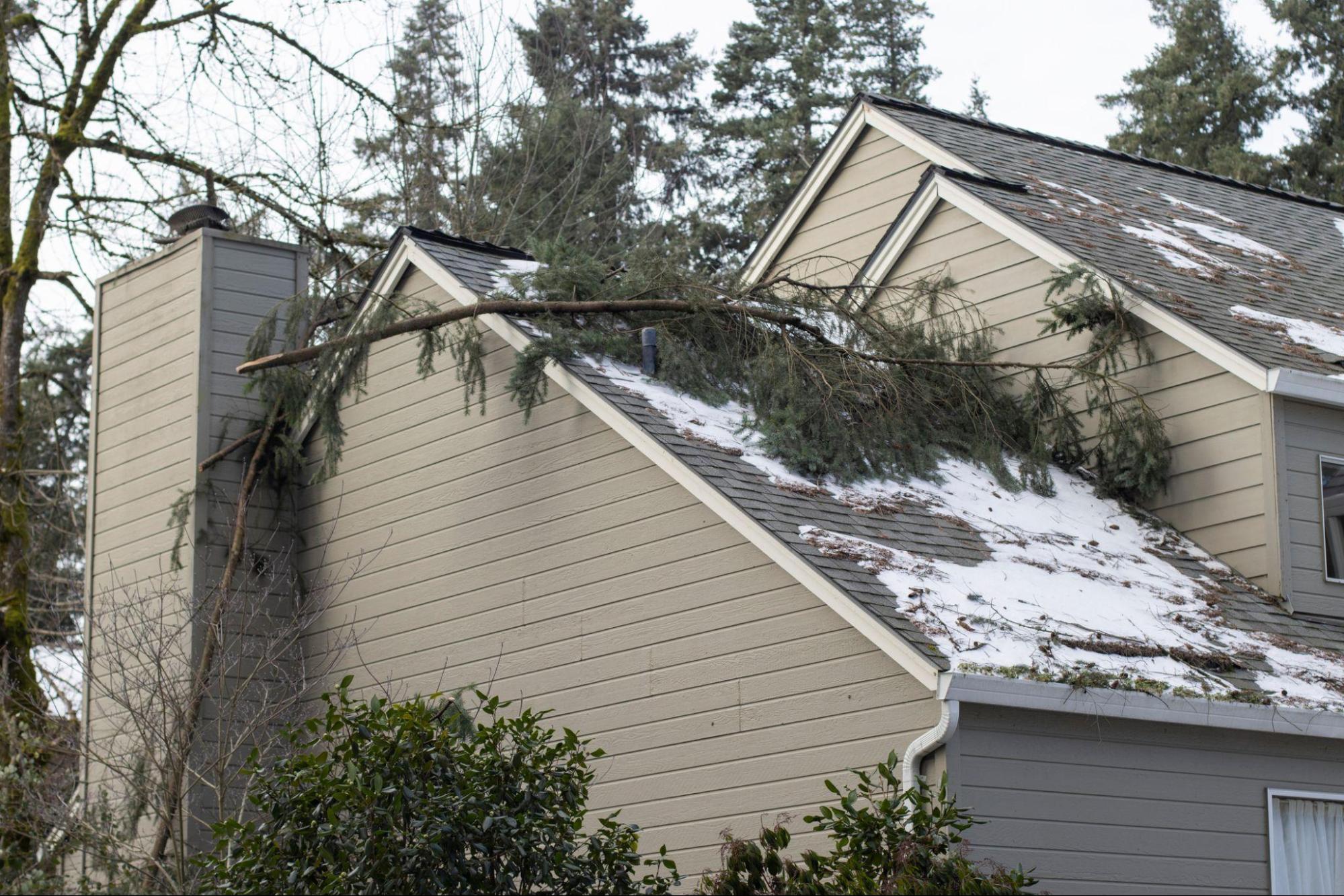
Spotting potential roof damage is only the first step. What you do next can significantly influence the scope of repairs, your costs, and your home’s long-term resilience. Acting thoughtfully – not hastily – ensures you address the real problem without overcommitting to unnecessary work.
Start with documentation.
Take clear, dated photos of the affected areas, both exterior and interior (e.g., ceiling stains, attic moisture). This visual record helps professionals assess severity and can support insurance claims if the damage stems from a covered event like hail or wind.
Next, limit further damage while you arrange an inspection.
For active leaks, place buckets under drips and move furniture or valuables out of harm’s way. In the attic, use a tarp or plastic sheeting to catch runoff – but avoid climbing onto a wet or icy roof yourself. Temporary fixes like roofing cement or sealant may seem tempting, but they often mask underlying issues and rarely provide lasting roof leak repair.
Then, contact a qualified roofing professional for a thorough assessment.
A reputable inspector will examine not just the visible damage but also the underlayment, decking, flashing, and ventilation. They’ll determine whether the issue calls for spot roof damage repair, a partial re-roof, or signals it’s time to consider when to replace the roof entirely – especially if your system is over 15–20 years old or shows widespread deterioration.
If the damage stems from a recent storm, check your home insurance policy. Many Canadian insurers cover sudden, accidental damage from wind, hail, or falling debris – but not wear and tear. File a claim only after getting a professional estimate; this helps avoid disputes over scope or cost.
Finally, don’t ignore minor issues in hopes they’ll “go away.”
A small leak around a chimney today can rot sheathing by next winter. Addressing problems early often keeps costs low and prevents secondary damage like mold, which can affect indoor air quality and require remediation far beyond the original roof damage repair.
Final Thoughts: Protecting Your Home’s First Line of Defence
Your roof isn’t just shingles and nails – it’s a complex, integrated system designed to keep your home dry, energy-efficient, and structurally sound. Because it’s often out of sight, it’s easy to overlook until something goes wrong. But proactive attention can extend its lifespan by years and save you from costly surprises.
The decision to act immediately or wait should always hinge on risk, not convenience. If you’re seeing clear signs you need roof repair – like active leaks, sagging, or storm-related breaches – treat it as urgent. On the flip side, minor wear in a well-maintained roof may simply require scheduling a professional evaluation within the next season.
About The Author

 5 Questions to Ask a Plumbing Company Before Hiring Them For Home Plumbing Repairs
 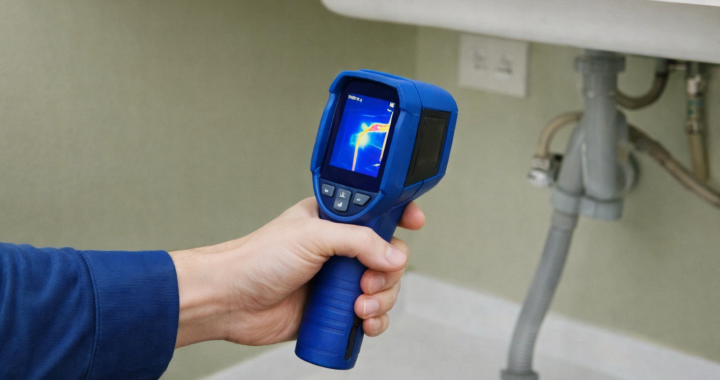 Stopping the Leak: How Hidden Plumbing Problems Drain Your Bank Account
  How Modern Residential Plumbing Solutions Reduce Long-Term Repair Costs