
Stopping the Leak: How Hidden Plumbing Problems Drain Your Bank Account

When homeowners evaluate their monthly expenses, they usually focus on high interest rates, energy costs, or rising grocery bills. However, one of the most common causes of financial loss is often overlooked: hidden plumbing leaks behind walls or under floors.
In Ontario, where water rates continue to climb in many municipalities, even a small leak can quickly become an expensive problem for homeowners.
This is particularly true in the Niagara Region, where aging infrastructure and fluctuating water pressure can place additional stress on residential pipes. According to plumbing industry estimates and municipal water usage reports, a single leaky faucet dripping at a rate of one drip per second can waste up to 10,000 litres of water per year. If that leak comes from a hot water pipe, you are not only paying for wasted water, but also for the energy used to heat it—water that is lost without homeowners even noticing it.
Hidden Plumbing Problems That Raise Your Water Bill
The primary challenge with plumbing leaks is that they are often invisible. Unlike a burst pipe that demands immediate attention, “silent” leaks can persist for months. Homeowners often notice a high water bill before they ever see a drop of water.
If you suspect a hidden leak or have noticed a sudden increase in your utility costs, consulting a licensed plumber for a professional inspection can prevent serious water damage and reduce long-term costs. Teams of experts, such as Superior Plumbing & Heating of Niagara Falls, detect hidden leaks with 100% accuracy and repair leaks of any severity.
1. The Running Toilet
A running toilet is the most frequent cause of a sudden spike in utility costs. A moderate toilet leak can waste between 70 and 100 litres of water per day. In cities across the Niagara Peninsula, a neglected toilet flap can add over $1,000 to your annual bill—money that could have been better spent on your mortgage or savings.
2. Hidden Water Leaks and Aging Pipes
Pinhole leaks in copper piping caused by pitting corrosion are a major threat to the historic homes found in areas like Niagara Falls and St. Catharines. These leaks often occur in basements or crawlspaces. Beyond the water waste, they lead to secondary costs like mold remediation and structural rot, which many insurance policies may not fully cover if they are classified as a lack of regular plumbing maintenance.
How to Find a Hidden Water Leak in Your Home
Finding a leak before it causes serious damage is essential for every homeowner. If you suspect a hidden leak somewhere in your home, the following steps can help identify the problem early.
- Check the Water Meter
This is one of the most reliable DIY tests. Turn off every tap and appliance in your home, including the dishwasher and ice maker. Locate your water meter and check the leak indicator (usually a small triangle or digital icon). If it moves even slightly, a leak is likely present. - Perform a Two-Hour Meter Test
If the indicator does not move immediately, record the meter reading and avoid using water for two hours. If the reading changes, your plumbing system may have a slow hidden leak. - Try the Toilet Dye Test
To determine whether your toilet is leaking, add a few drops of food coloring to the tank and wait about 15 minutes without flushing. If color appears in the bowl, the flapper valve is leaking. - Inspect Common Problem Areas
Check under sinks, inside kitchen and bathroom cabinets, around the base of the water heater, washing machine hoses, and behind the refrigerator. - Look for Surface Warning Signs
In many Niagara Falls homes, hidden leaks often appear as bubbling paint, sagging ceilings, or warped flooring.
Energy Efficiency and Water Heaters
While water waste is a direct hit to your budget, energy inefficiency is often an even larger drain. The water heater is typically the second-largest energy consumer in a Canadian home.
In areas with “hard water,” calcium and mineral deposits settle at the bottom of the tank. This buildup forces the heater to work longer and consume more energy to reach the desired temperature, shortening the lifespan of the appliance. A professional inspection to flush these tanks can reduce energy consumption by up to 30% and prevent an expensive early replacement of the entire unit.
Modern Leak Detection Technology
To truly stop the financial drain, residential plumbing services now use sophisticated technology to locate problems without the need for invasive wall demolition:
- Acoustic Leak Detection: Using sensitive microphones to “hear” water escaping from pipes deep underground or behind masonry.
- Thermal Imaging: Infrared cameras that detect temperature differences caused by moisture, pinpointing hidden leaks instantly.
- Water Leak Detection Sensors: Smart devices that alert your smartphone the moment moisture is detected near your appliances.
- Pressure Regulating Valves (PRV): These protect your home from high municipal water pressure, which is a common cause of pipe failure in many residential areas.
Early Signs of Hidden Plumbing Leaks
Many plumbing leaks remain unnoticed for months. However, several early warning signs can help homeowners detect problems before serious damage occurs:
- Sudden increase in water bills — an unexplained jump in monthly utility costs.
- Damp spots on walls, ceilings, or floors, often accompanied by discoloration.
- Mold or musty odors that persist after cleaning, indicating moisture behind drywall.
- Reduced water pressure at faucets or showerheads.
- A water meter that continues spinning even when all taps and appliances are turned off.
Financial Impact of Common Plumbing Issues
| Plumbing Issue | Water Waste | Estimated Annual Cost | Potential Savings |
| Running Toilet | Up to 30, 000 litres | $1,000 – $1,200 | $1,000+ |
| Leaky Faucet | Up to 10,000 litres | $60 – $100 | $100+ |
| Water Heater Scale | 10–30% Efficiency loss | $150 – $250 | $200+ |
| Hidden Pinhole Leak | Continuous leak (varies by pressure and pipe size) | $500 – $2,000+ | Variable |
FAQ: Preventing Expensive Water Damage
Why is my water bill suddenly higher?
A sudden increase is usually caused by hidden leaks, a running toilet, or a faulty water heater. Checking your water meter while no faucets are running is a reliable first diagnostic step.
How can I detect a hidden plumbing leak?
Signs include unexplained damp spots, musty smells, or hearing water running when no taps are open. In Niagara’s older housing stock, subterranean leaks are also a possibility that requires professional detection.

How much water can a leaking toilet waste?
A running toilet can waste up to 1,000 litres of water per day, potentially doubling your monthly water bill if left unrepaired for a full billing cycle.
Is plumbing maintenance worth the cost?
Yes. Regular maintenance prevents expensive emergency repairs and extends the life of your appliances, significantly reducing the “total cost of ownership” for your home.
Conclusion: Protect Your Home and Your Budget
Your plumbing system should be regularly inspected to prevent expensive leaks and water damage. In a fluctuating real estate market, a home with a documented history of maintenance and high-efficiency upgrades is significantly more attractive to buyers and protects your long-term investment.
About The Author

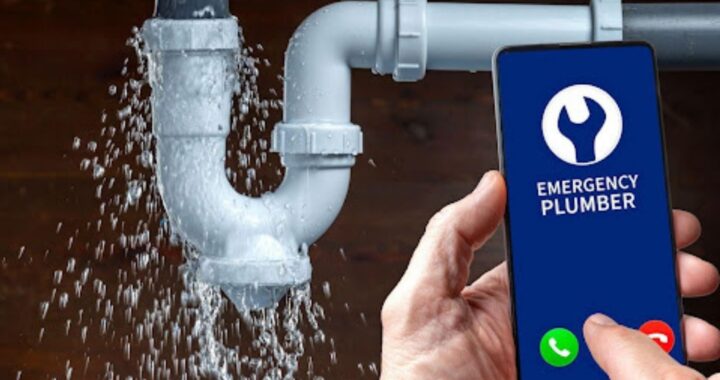 How Modern Residential Plumbing Solutions Reduce Long-Term Repair Costs
 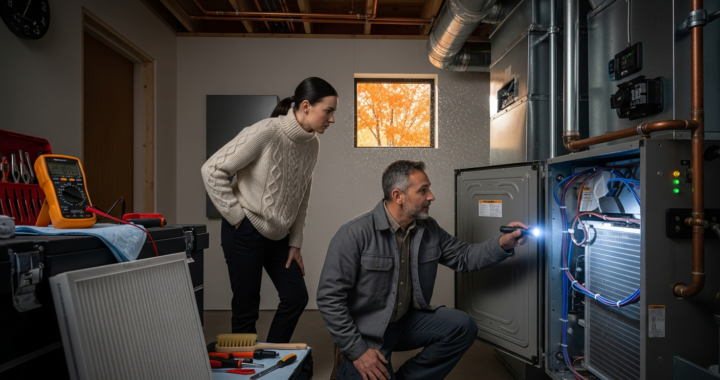 A Homeowner’s Guide to HVAC Maintenance for Unpredictable Weather
  Air Conditioning Repair Suwanee: Fast & Reliable AC Services