
The Statement Piece: Transforming Your Home with a Single Indoor Plant
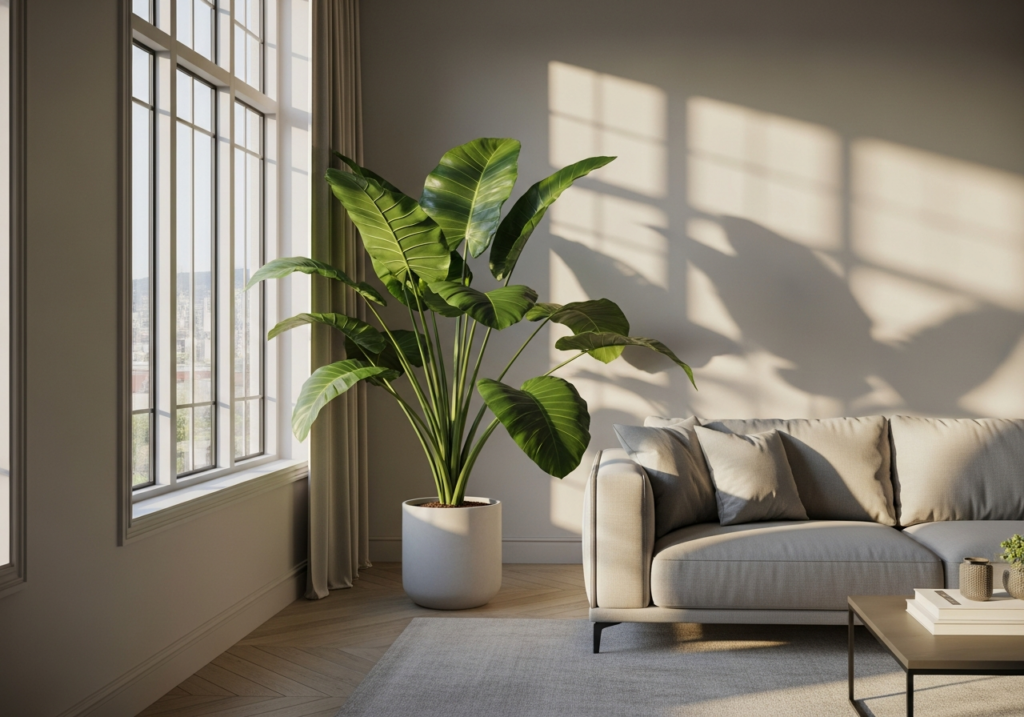
There is something quietly powerful about walking into a room anchored by one extraordinary plant. No cluster of small succulents or shelf of modest pothos can replicate the effect — a single, architecturally bold specimen has the ability to redefine a space entirely. It draws the eye, creates a sense of natural depth, and embodies the core principles of biophilic design: the idea that connecting with living things measurably improves human well-being. Whether you are bringing home your first plant or you have been at this for years, this guide will help you choose, position, and care for a statement plant that genuinely changes the feel of your home.
Why a Single Statement Plant Makes a Dramatic Impact
A statement plant earns its name through scale and visual authority. It anchors a room the way a striking piece of art or a structural column does — through sheer presence. Research into biophilic design consistently shows that living greenery reduces cortisol levels, improves perceived air quality, and fosters a calming atmosphere. Crucially, a single huge indoor plant achieves all of this without overwhelming a space. Vertical growth draws the eye upward, making even compact rooms feel more open and deliberate. One well-chosen plant outperforms a collection of smaller ones by delivering instant drama while keeping the room uncluttered and intentional.
Top Statement Plants for Home Transformation
Bird of Paradise (Strelitzia nicolai or reginae) is among the most rewarding choices for modern and tropical interiors. Its long, paddle-shaped matte green leaves fan outward with quiet grace, reaching three to six feet at maturity. Set in a living room corner with bright indirect light and consistent moisture, it conjures the feeling of a resort garden — an effect that is both immediate and enduring.
Fiddle Leaf Fig (Ficus lyrata) earns its near-iconic reputation through sheer leaf drama. Those large, violin-shaped panels of deep green, marked by distinctive veining, give the plant a sculptural quality that few others can match. Mature specimens can reach seven to eight feet indoors, filling vertical space with real authority. It does reward consistency, though: stable light conditions and even watering are essential, as this plant responds poorly to being moved around.
Monstera Deliciosa brings something different to the table — texture. The iconic fenestrated leaves, with their distinctive splits and holes, introduce visual intrigue to minimalist and eclectic spaces alike. Fast-growing and relatively forgiving, Monstera is a strong entry point for those newer to large indoor greenery. Variegated cultivars like ‘Thai Constellation’ add further dimension for anyone seeking something truly distinctive.
Beyond these headline choices, Dracaena offers tall, strappy vertical interest in tighter spots, while an Areca Palm or Dwarf Cavendish Banana brings sweeping tropical energy to larger rooms with ample natural light.
Strategic Placement for Maximum Effect
Placement determines whether a statement plant elevates a room or simply occupies it. The guiding principles are straightforward: position the plant at eye level or as a vertical focal point, ensure it is proportional to the surrounding furniture, and keep it well clear of heavy foot traffic. In a living room, a floor-standing specimen placed beside a sofa creates a layered, relaxed feel. In an entryway, a tall plant immediately establishes warmth and character. Bedrooms benefit from softer options like a Majesty Palm, which contributes serenity without adding visual weight. For a practical, high-impact starting point, try a Ficus in a natural woven basket, placed in a previously bare corner — it is a small move that can make a room feel genuinely gallery-like.
Essential Care Tips for Long-Term Success
Most large statement plants thrive in bright indirect light — close to a window but shielded from harsh direct afternoon sun, which scorches tropical foliage. The safest watering approach is to let the top one to two inches of soil dry out before watering again, using a well-draining pot to prevent root rot. An airy soil mix with added perlite supports healthy roots for Ficus and Monstera in particular. In drier interiors, humidity trays make a meaningful difference for tropical varieties.
Common issues include yellowing leaves from overwatering and leggy, sparse growth from insufficient light — both easily corrected once identified. Prune selectively to maintain shape, and apply a balanced fertilizer sparingly during the active growing season.
One final, practical point: check toxicity before committing to a plant if you have pets or young children. Areca Palm is a reliable non-toxic option; Ficus sap can cause skin and digestive irritation and warrants appropriate caution.
Overcoming Common Challenges
Scale can feel intimidating at first, but younger specimens grow naturally into their role and give you time to build care confidence along the way. In low-light homes, Dracaena and Peace Lily are resilient options that still deliver real visual presence. For busier households, self-watering pots reduce the margin for error, while regular rotation promotes even, balanced growth over time.
Ultimately, transforming a room’s character does not require a complete redesign. A single statement plant — thoughtfully chosen, properly placed, and consistently cared for — introduces life, scale, and personality in a way that few other additions can. Take stock of your space’s light, consider your lifestyle honestly, and bring in one bold green element. The shift, once experienced, is genuinely hard to imagine living without.
About The Author

 How Aesthetic Practices Stay Ready for Changing Patient Demand
  When Orthovisc Injections May Be Considered for Knee Discomfort
  How Online Facial Aesthetics Training Supports Career Development