
Using Geometric Elements in Home Styling
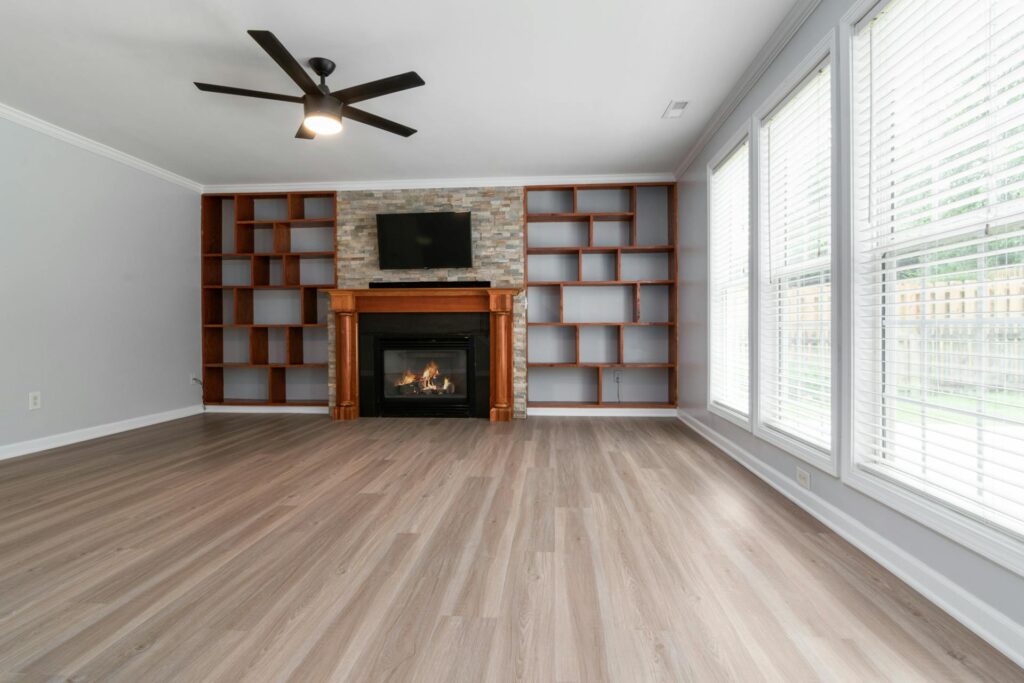
Geometric elements play a structural and aesthetic role in interior design. They introduce order, repetition, and rhythm, making them ideal for enhancing visual interest without overwhelming a space. From artwork to furnishings and surfaces, geometry allows you to build cohesion while expressing individuality. Below are practical ways to use geometric elements effectively in home styling.
Add Depth with Geometric Style Art
One of the most direct ways to incorporate geometry is through artwork. Pieces that feature structured forms, such as circles, lines, triangles or layered grids, can anchor a wall, define a colour scheme, or introduce contrast into a neutral room. Hanging geometric style art in key positions like behind a sofa or above a bed instantly creates a focal point while maintaining a sense of symmetry and scale. Artwork is also easy to swap or reposition, making it a low-commitment yet high-impact design element.
Use Patterns in Soft Furnishings
Cushions, rugs, and throws are excellent for layering geometric forms without permanently altering the space. Repeating patterns like chevron, diamond, or hexagon shapes can either soften or energise a room depending on their colour palette and scale. To avoid clashing, keep the number of competing patterns minimal and ensure there’s a dominant motif that guides the eye. Geometry in textiles also helps bridge differences between modern and traditional furniture by offering a unifying visual thread.
Choose Furniture with Geometric Structure
Furniture doesn’t need to be purely functional—it can also carry strong geometric form. Think of faceted side tables, shelving with angular brackets, or a coffee table designed with concentric rings. These structured shapes add dimension and help break up visual monotony. When used in moderation, such pieces can complement rather than dominate a room. They also work well in both minimalist and eclectic settings.
Feature Geometry in Walls and Floors
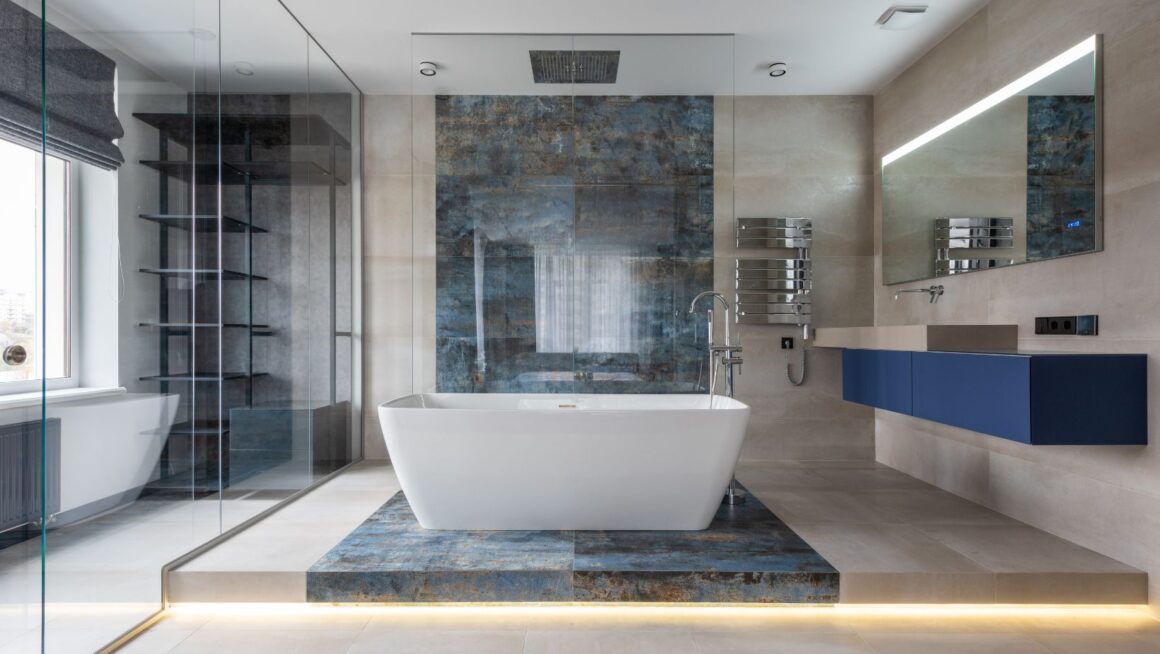
Wall panelling, tiling, and even wallpaper are effective for applying geometry on a larger scale. Geometric tiles in a bathroom or kitchen can add visual structure while also guiding how light plays across the space. In living areas, wall mouldings arranged in grid or diamond formations can offer depth and rhythm without relying on colour. Flooring patterns such as herringbone or parquetry also introduce directionality, subtly influencing how a room feels and flows.
Incorporate Geometric Lighting Fixtures
Light fittings with geometric frames, like hexagonal pendants or angular sconces, serve both form and function. These pieces cast patterned shadows that add texture to walls and ceilings, especially when placed near flat surfaces. Geometry in lighting helps carry the design language upward, drawing the eye and balancing the layout vertically. It’s a particularly effective tactic in high-ceilinged spaces or areas with limited wall space for decoration.
Use Repetition to Reinforce Balance
Repetition is key to making geometric elements feel intentional rather than random. If you introduce triangles in a rug, echo the form in a nearby lamp base or shelving unit. Aligning geometry across different materials, such as metal, fabric, and timber, helps build consistency without becoming predictable. This layered approach strengthens the visual hierarchy of a room—subtly guiding the eye from dominant focal points to supporting details in a cohesive flow.
Combine Geometry with Organic Forms
Pairing geometric features with softer, more fluid elements can enhance contrast and prevent a room from feeling overly rigid. For example, curved vases or rounded cushions can offset linear bookshelves or angular lighting. This interplay between organic and structured forms brings visual interest and keeps the space feeling lived-in rather than overly stylised.
Let Scale Guide Your Application
Larger geometric forms, like a full-height patterned wall or oversized art, should be used as anchors. Smaller forms can be scattered throughout the room in decor or textiles to complement the main feature. Using scale deliberately ensures that geometric elements don’t compete for attention but work together to guide movement and define zones within a room.
Design That Balances Form and Function
By understanding how and where to apply geometric elements, whether through art, furniture, lighting, or surfaces, you can transform interiors into cohesive, layered spaces. The key lies in consistency, restraint, and balance.
About The Author

 Ways to Create a Clutter-Free Entryway That Actually Stays Organized
  Canvas Prints for Photo Memories: Why People are Choosing Them
  Client-Ready Tiny House Offices: Professional Design Tips