
What to Do Immediately After Storm Damage: A Homeowner’s Checklist
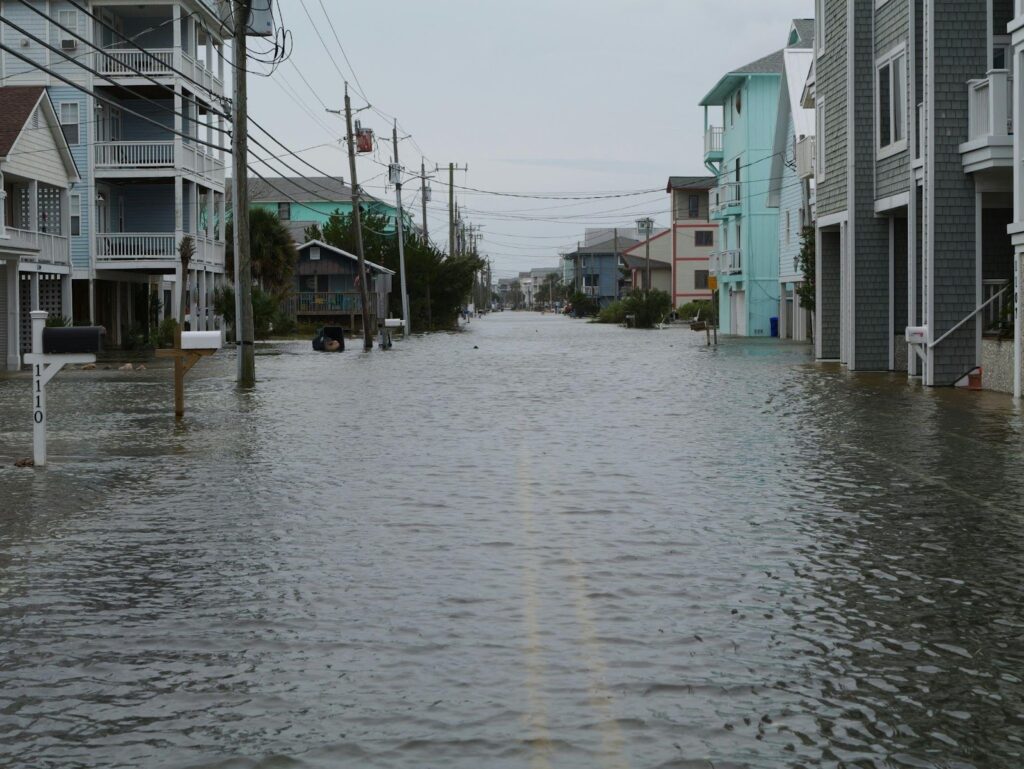
From fallen trees to leaking roofs and flooded basements, the damage after a major storm can happen fast, often before you have time to react. Having a clear plan can help make the recovery process safer, smoother, and far less stressful. Here’s a practical homeowner’s checklist to guide you through the critical steps immediately after a storm damages your precious home.
1. Prioritize Safety Above All Else
The first and most important step is to ensure that you and your family are safe. Never walk through standing water, as it may hide downed power lines or sharp debris. Do not enter rooms where the ceiling is waterlogged or sagging. Keep in mind that storms can weaken structural elements, so treat your home as a potential hazard until it’s been inspected.
2. Do a Visual Inspection from a Distance
After ensuring that conditions are safe, conduct an extensive walk-through around your property, but remember to keep your distance from unstable structures. Things you need to watch out for include missing shingles or roof punctures, broken windows, damaged siding, fallen trees or branches, and loose power lines or leaning utility poles. If you notice electrical hazards, avoid the area and notify the proper authorities right away.
3. Document Everything for Insurance
Before you start moving or fixing anything, make it a point to take photos and videos of all damage. Capture roof leaks, flooded areas, damaged walls or ceilings, destroyed furniture or belongings, and exterior structural issues. Clear documentation can help speed up your insurance claim and improve the chances of full coverage. Remember to keep the receipts for temporary repairs and emergency expenses, as they may be reimbursable.
4. Prevent Further Damage
Insurance providers expect homeowners to take appropriate measures to secure their property after a storm. If your windows are broken, cover them with heavy plastic or plywood. Place tarps over roof openings to limit water intrusion. Remove wet rugs or furniture to reduce mold growth. These temporary fixes can help prevent additional damage while you wait for professional repair services.
5. Address Water Damage Quickly
Water is one of the most destructive elements after a storm. Even a small leak can lead to weakened walls, mold, and long-term structural issues. Mop or soak up standing water where possible, and keep air circulating to prevent mold growth.
If the damage is significant, don’t hesitate to seek professional help. Homeowners in Washington often rely on water damage restoration Seattle companies because they have specialized equipment needed to dry, sanitize, and restore water-affected areas properly. Fast, expert intervention can prevent thousands of dollars in long-term damage.
6. Contact Your Insurance Company
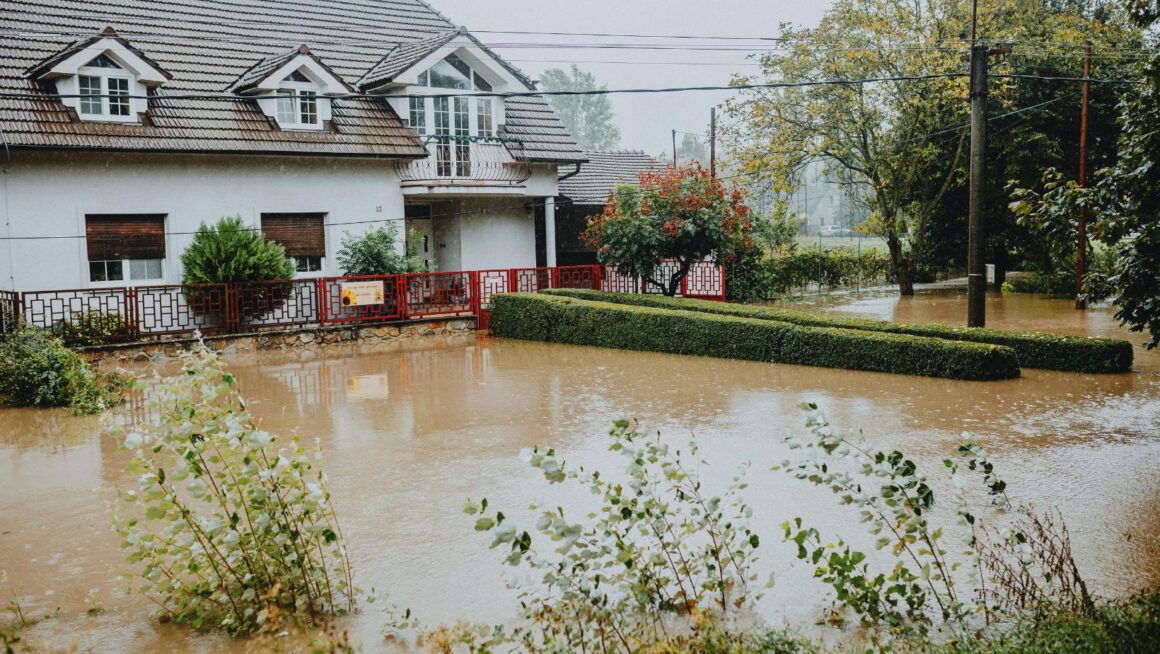
File your claim as soon as possible, as storm events often create long delays due to high demand. Some essential documents you may need to provide include a list of damaged items, any emergency repair receipts, and your photo documentation. Ask your provider about the steps you’re expected to follow next and whether they require an adjuster visit before major repairs begin.
7. Work Only With Trusted Contractors
Unfortunately, storm events attract scammers. Protect yourself by choosing reputable, licensed contractors. During your contractor search and selection, make sure to ask for verified local references, proof of insurance, written estimates, and clear contracts with timelines. Avoid anyone who forces you to sign immediately or demands payment upfront, even before work begins.
8. Plan for Long-Term Repairs and Prevention
Once emergency issues are addressed, take time to create a long-term repair plan. Consider upgrades like reinforced windows, impact-resistant roofing, or improved drainage. Strengthening weak points now can minimize future storm damage.
Endnote
Recovering from storm damage is stressful, but following this checklist can help you stay organized and protected. Acting quickly and calling professionals when needed, especially for water-related damage, ensures your home returns to its safe, livable condition as soon as possible.
About The Author

 5 Questions to Ask a Plumbing Company Before Hiring Them For Home Plumbing Repairs
  Stopping the Leak: How Hidden Plumbing Problems Drain Your Bank Account
  How Modern Residential Plumbing Solutions Reduce Long-Term Repair Costs