
What to Do with Abandoned Cars at Rentals
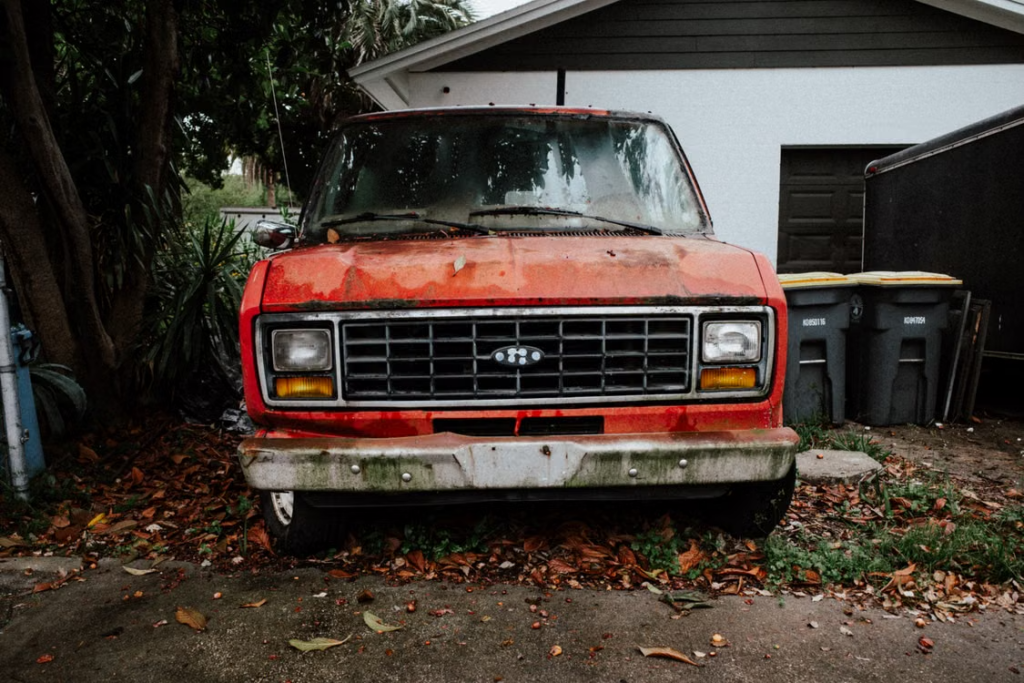
A random car shows up in your rental parking lot and never leaves. Days pass, tenants start complaining, and now you are stuck wondering what you can legally do about it. The answer is simple but often misunderstood: you cannot just tow it and move on.
Handling abandoned vehicles involves rules, timelines, and risks that often catch many property owners off guard. Stick around, and you will learn exactly how to deal with the situation step by step without creating bigger problems for yourself.
Document the Situation First
Start by gathering clear evidence of the vehicle and its condition before doing anything else. Photos, timestamps, and written notes help create a record that protects you if questions come up later. A well-documented case also speeds up conversations with law enforcement or towing companies.
Look for signs the vehicle has been left behind, such as flat tires or expired tags. Write down how long it has been parked and whether it belongs to a current or former tenant. Keep everything organized so you can reference it if needed.
Notify the Owner and Tenant Properly
You need to notify the vehicle owner and any associated tenant before taking further action. Most local laws require visible notice on the car and written communication sent to the last known address. Skipping this step can lead to fines or disputes that cost more than the removal itself.
A proper notice process usually includes the following steps:
- Place a warning notice on the vehicle
- Send a written notice with a removal deadline
- Include contact details for follow-up
Give a clear timeframe for action and stick to it. Maintaining consistent communication helps show that you handled the situation responsibly.
Check Local Abandoned Vehicle Laws
Every city and state handles abandoned vehicles differently, which makes research essential. Some areas allow towing with short notice, while others require multiple steps and approvals. Property owners who guess their way through the process often run into trouble.
Call your local police department or code enforcement office to confirm the rules. Ask about required signage, notice periods, and approved towing companies. Having accurate information upfront saves time and prevents costly mistakes.
Coordinate Removal with the Right Partners
Once the notice period ends, you can proceed with the removal through the proper channels. Most situations involve a licensed towing company or a city-approved program. Working with the right partner ensures the process is handled legally and efficiently.
Here are common options for removal once approval is clear:
- Licensed private towing company
- City vehicle abatement program
- HOA or property management coordination
Choose the option that fits your local requirements. Always confirm paperwork is complete before the vehicle is taken off the property.
Use Cooperative Solutions When Possible
Not every abandoned car is truly abandoned, and sometimes the owner just needs a simple way out. Reaching out and offering options can resolve the issue faster than formal enforcement. A cooperative approach often saves time and reduces tension.
Some owners respond better when given a practical path to remove the vehicle themselves. For example, scrapping a car in California with Cash for Cars or similar companies can be a quick solution when a vehicle no longer runs or holds value. Property owners often find that situations resolve more quickly when they offer simple, direct removal options rather than escalating the issue.
Prevent Future Abandoned Vehicle Issues
Prevention starts with clear rules and consistent enforcement across your property. A strong property management approach, backed by clear lease language and visible signage, makes expectations obvious from day one. Tenants are less likely to leave vehicles behind when policies are clearly communicated.
Make sure your lease includes parking rules and consequences for abandoned vehicles. Require tenants to register their vehicles and update their information when things change. Regular property checks also help you catch problems early.
Keep Your Property Clear and Stress Free
Handling abandoned cars at rentals comes down to following the right steps in the right order. Rushing the process creates risk, while a structured approach keeps everything under control. Staying organized and informed makes the entire situation easier to manage.
Property owners who take a proactive approach avoid repeat issues and maintain a better experience for tenants. When situations like this come up, having a plan in place saves time and reduces stress. Keep your process consistent, and your property will stay clear and problem-free.
About The Author

 Minimalist Ivy Car Camo: How RapidomHedirCet Styling Makes Your Ride Subtly Stand Out (2026 Guide)
  What to Expect When Shipping a Car Across States
  Why Reliable Public Transport Is Hard to Achieve (And How Cities Can Fix It)