
Which Decking Works Most in Your Climate?
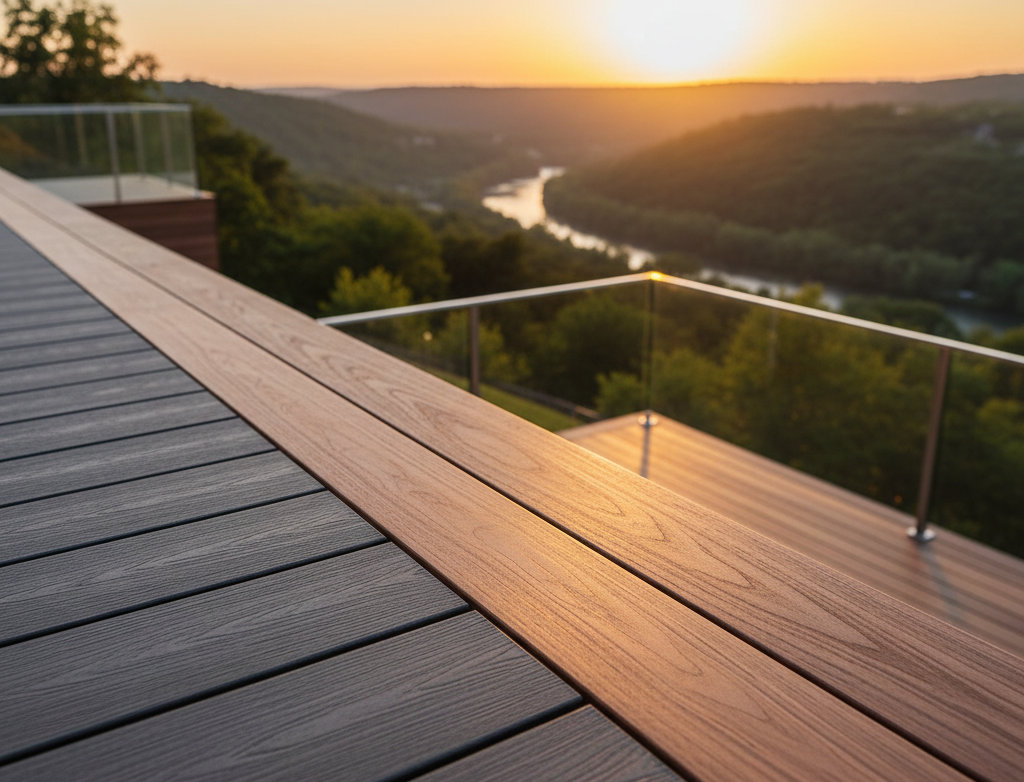
An impressive 85% of homes have some type of decking installed, and deck failures are common in harsh weather zones due to improper material selection. Choosing a material based solely on aesthetics often leads to premature rotting, excessive warping, or structural fatigue. You need a surface that handles the specific stressors of your environment.
Basic Considerations
Coastal regions face the constant assault of salt air and high moisture levels. While natural hardwoods like Ipe offer incredible density, they require meticulous maintenance to prevent graying and splintering. Salt acts as a catalyst for decay in cheaper pressure treated pine, often turning a new deck into a liability within a few short seasons.
In contrast, arid climates with intense UV exposure demand materials that prioritize heat dissipation. Darker boards absorb thermal energy, potentially reaching temperatures that burn bare feet during midsummer afternoons. Select lighter colors or specialized composite boards engineered for cooler surface temperatures to maintain comfort.
Take some time reading a deck and building material comparison before your project begins, so you ensure the structure remains stable regardless of the mercury levels outside. The more information you have to hand, the easier it will be to choose wisely.
Managing Freeze Thaw Cycles And Moisture
If you live where winter brings deep freezes followed by rapid spring thaws, you understand the pressure on building materials, especially the roof. However, decking also takes the brunt of seasonal damage.
Water expands when it turns to ice, pushing fibers apart and weakening structural integrity. Some materials handle this expansion better than others.
Consider these factors when evaluating your specific region:
- Capped composites resist moisture absorption which prevents internal freezing and cracking
- High quality PVC decking offers superior expansion and contraction profiles for extreme temperature shifts
- Proper spacing during installation allows for the natural movement required during seasonal transitions
Composite materials have evolved significantly, now mimicking the grain patterns of premium timber while offering better moisture resistance than traditional wood. Proper installation acts as your first line of defense.
Long Term Stability For Your Backyard Oasis
Investing in the right material pays dividends over the lifespan of your home. Humidity, sun, and cold all play a role in how your deck performs over the next decade.
Do not overlook the importance of the fastening system when building in high-wind or significant-expansion zones. Clips allow for subtle board movement, preventing the popping or splitting often seen with traditional face screwing.
Think of your deck as a living part of the home exterior. Materials react to the sun, they shift with the cold, and wood remains the most organic choice. And since decking replacement costs a minimum of $11,800 on average, taking initial material choices seriously is about saving money as much as long term maintenance.
When you account for the humidity levels in your specific zip code, you move beyond simple vanity projects. You are constructing a durable platform that withstands the elements without requiring a constant cycle of sanding, staining, and sealing.
Smart planning keeps your investment safe through the harshest winters and longest summers. Quality materials hold up, local weather varies, and your deck stays strong for years. Match the board to the climate to ensure you spend more time relaxing and less time repairing.
Planning Your Sustainable Outdoor Space
Aligning your material choice with local environmental stressors ensures your outdoor living area survives the decades. When you select high performance options that suit your specific regional reality, you reduce long term maintenance costs and maximize structural integrity.
For more guidance on home maintenance and construction projects, check out the array of other posts on our site. We aim to answer all manner of questions comprehensively, so you end up better informed and more prepared to take on your next challenge.
About The Author

 Exterior Painting Services: What Separates a Good Job from a Great One
  Outdoor Tile Trends Homeowners Are Choosing Instead of Plain Concrete in 2026
  How to Safely Pressure Wash Roofs and Gutters