
Why a Fresh Coat of Paint Can Breathe New Life into Your Northeast Ohio Home

In the Greater Cleveland area, where winters drag on with gray skies and lake-effect snow, homeowners often look for ways to shake off the seasonal gloom. A fresh coat of exterior paint stands out as one of the most straightforward changes that can transform how a house feels and looks. It revives faded siding, brightens trim, and creates that welcoming vibe every neighborhood appreciates. Beyond the visual lift, the update ties into broader home care that many residents prioritize year after year.
For local homeowners, something as simple as updating the exterior can make a noticeable difference in daily life. Consider how the house appears after months of harsh weather—peeling spots, chalky residue, or dulled colors that blend into the overcast days. Refreshing the paint brings back sharpness and contrast, almost like flipping a switch on the property’s personality. Many turn to reliable local services for this kind of work; for instance, quality house painters Northeast Ohio handle these projects with an eye toward the region’s unique demands.
The Impact on Curb Appeal and First Impressions
Curb appeal matters more than ever in Northeast Ohio neighborhoods. When someone pulls up to a home, the exterior sets the tone immediately. A well-painted house signals attention to detail and care, drawing positive attention from passersby, visitors, or even potential buyers down the line. Neutral tones or subtle accents can make architecture pop against bare trees in winter or lush greenery in summer. The change often feels energizing, much like how a new outfit boosts confidence—except this one lasts for years with proper maintenance.
Studies and real estate insights consistently show that refreshed exteriors contribute to stronger overall perceptions of a property. According to resources like those from the National Association of Realtors, exterior improvements rank high among projects that enhance appeal without massive overhauls. A clean, vibrant finish helps the home stand out positively in a market where first impressions count heavily.
How Exterior Paint Protects Against Local Weather
Northeast Ohio’s climate throws plenty at homes: freezing temperatures, humidity swings, heavy rain, and intense summer sun. Quality exterior paint acts as a barrier, shielding siding, wood trim, and other surfaces from moisture intrusion and UV damage. It reduces the chances of cracking, warping, or mold growth that can sneak in when surfaces go unprotected.
The freeze-thaw cycles here are particularly tough on unprotected materials. Paint helps block water from seeping into cracks, where it could expand during cold snaps and cause bigger issues. Regular updates keep that protective layer intact, extending the life of the underlying surfaces. Homeowners notice fewer nagging maintenance headaches when the exterior stays sealed against the elements.
For more on how weather influences material choices, check out this helpful overview from This Old House on exterior painting considerations. It breaks down why certain formulations hold up better in variable conditions.
Preparing Surfaces: The Key to Lasting Results
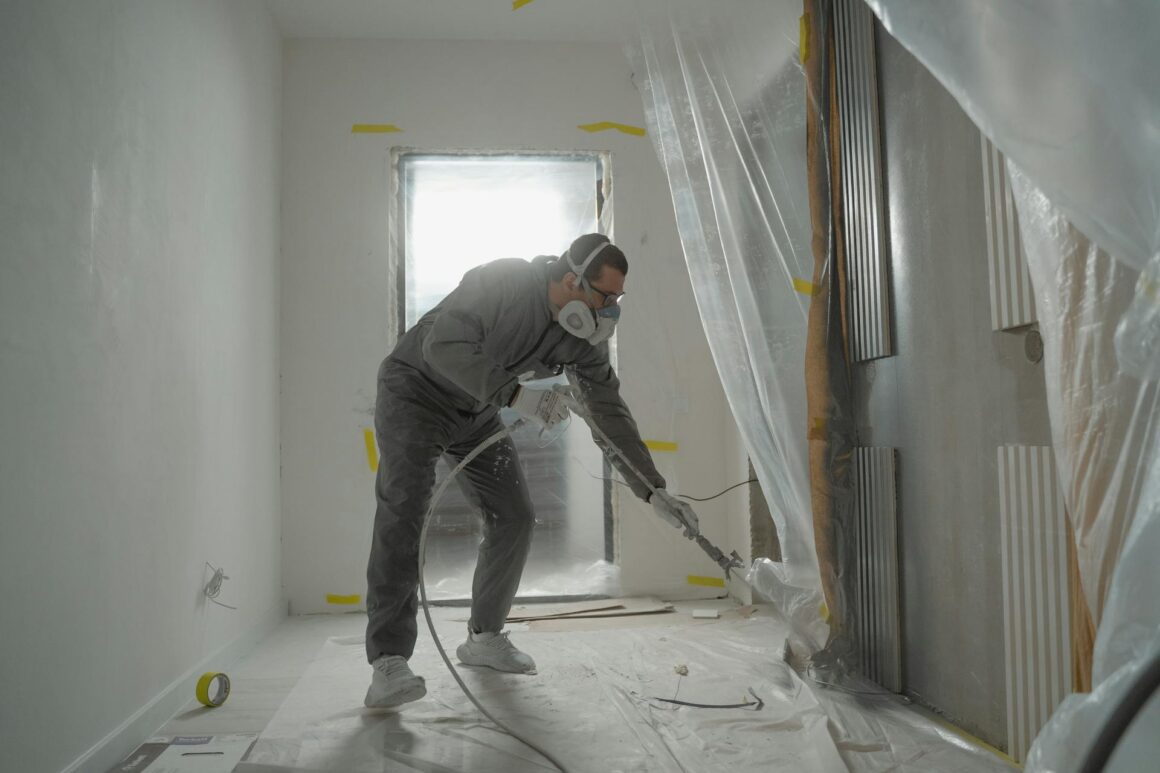
Preparation takes time but makes all the difference. Start by thoroughly cleaning the exterior—pressure washing removes dirt, mildew, and loose debris that prevent good adhesion. Skip this step, and new paint may peel prematurely.
Next comes scraping and sanding any flaking or bubbling areas. Old, failing layers need removal so the fresh coat bonds properly. Inspect for cracks, gaps around windows or doors, and minor wood damage; fill and repair these spots to create a smooth base. Priming bare or repaired areas helps the topcoat stick evenly and resist future weathering.
Timing plays a role too. In this region, aim for days with moderate temperatures and low humidity—typically late spring through early fall—to allow proper drying. Rushing during damp or extreme conditions often leads to uneven finishes or reduced durability.
Selecting the Right Paint and Finish
Choosing paint involves more than picking a color. High-quality acrylic latex options dominate for exteriors here because they flex with temperature changes and resist blistering or cracking. Finishes range from flat (which hides imperfections but may show dirt faster) to semi-gloss (easier to clean and more durable on trim).
For siding, satin or low-luster finishes strike a balance—enough sheen to shed water without highlighting every flaw. Trim often benefits from slightly glossier options for contrast and wipeability. Darker shades absorb more heat, which can stress surfaces in summer, while lighter ones reflect it better in sunny stretches.
The U.S. Forest Products Laboratory offers solid guidance on finish performance for different wood types and exposures—see their detailed breakdown here for insights into how paints and stains interact with weathering factors.
Maintenance After the Job
Once the paint dries fully, basic upkeep keeps things looking sharp. Gentle washing once or twice a year removes accumulated grime before it embeds. Watch for early signs of wear, like fading or minor peeling, and address small spots promptly to avoid larger repairs later.
In a place like Greater Cleveland, where seasons shift dramatically, staying on top of the exterior pays off in longevity and enjoyment. A thoughtful paint refresh does more than update appearance—it renews the home’s ability to withstand what comes next, season after season.
About The Author

 How to Match Your Dining Table With Your Chairs?
  How Color Changes the Mood of a Living Space?
  The Science Behind Acoustic Slats, Beams and Their Noise-Reduction Benefits