
Why Abstract Art Works in Clean, Open Layouts
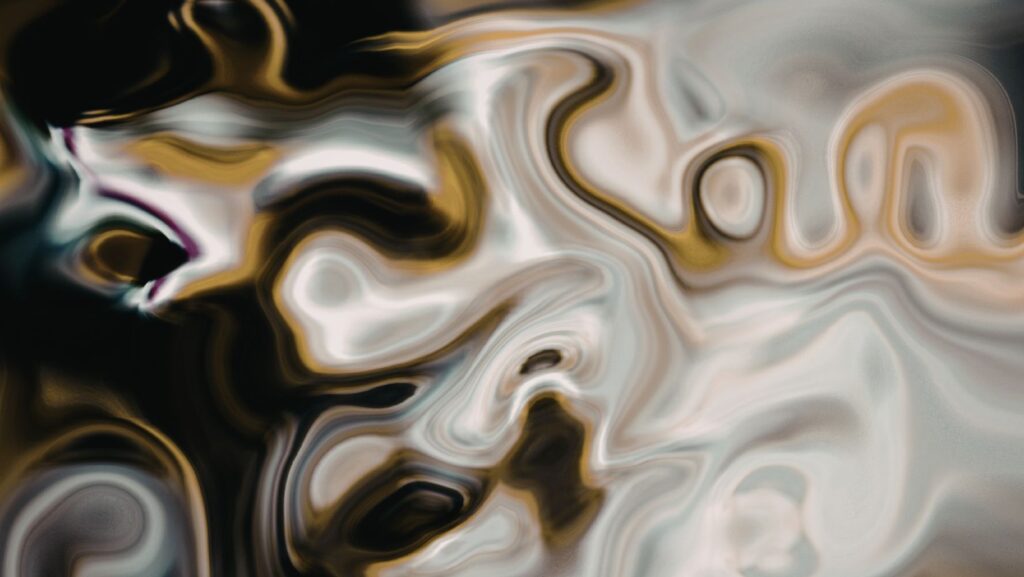
Clean, open interiors are often chosen for their sense of calm, safety, and ease of movement—qualities that are especially valuable in homes supporting ageing in place or daily care routines. Yet these spaces can sometimes feel impersonal if they are not thoughtfully styled. Abstract art offers a way to introduce visual interest without disrupting clarity, accessibility, or comfort. Its flexibility in colour, form, and scale allows it to complement functional environments while supporting emotional well-being.
Introduces Visual Focus Without Creating Clutter
Open layouts rely on clear sightlines for mobility aids, seating transitions, and safe navigation. Detailed or figurative artworks can sometimes demand prolonged attention, which may feel visually busy in a space designed for simplicity. By contrast, non-representational art uses colour, shape, and movement rather than literal imagery, creating a focal point that feels engaging but not overwhelming.
This is why many care-oriented interiors incorporate framed abstract art prints as a way to anchor a room visually while maintaining spatial clarity. A single well-placed piece can define a seating area, mark a transition between zones, or soften long walls without introducing physical obstacles.
From a design perspective, this supports visual orientation, helping older adults and those with cognitive changes recognise different functional areas within an open-plan setting.
Supports Calm Through Colour and Form
Colour plays a measurable role in how a space is experienced. In environments where rest, recovery, or daily assistance takes place, overstimulation can lead to fatigue or agitation. Abstract compositions allow for controlled palettes that align with the principles of colour psychology, promoting calm, warmth, or gentle energy depending on the needs of the user.

Soft tonal layering, fluid shapes, and balanced negative space contribute to a sense of order. This visual harmony mirrors the goals of accessible design: reducing stress, improving comfort, and supporting routine.
Because abstract art does not depict specific scenes, it also avoids emotional associations that may not be relevant to every viewer. Instead, it offers a universally approachable visual experience.
Enhances Spatial Perception in Open Rooms
In large or minimally furnished layouts, walls can appear expansive and undefined. Carefully scaled artwork helps establish proportion, which is essential for a room to feel stable and welcoming.
This relates to the concept of spatial hierarchy, where visual weight is distributed to guide the eye naturally through a room. A horizontal artwork above a sofa can make a seating area feel grounded, while a vertical piece near a doorway can subtly signal movement between spaces.
For individuals using walking frames, wheelchairs, or other mobility aids, this visual structure supports intuitive navigation without adding physical barriers.
Balances Warmth With Simplicity
Minimal interiors sometimes risk feeling stark, particularly when they prioritise clear surfaces and wide circulation paths. Abstract art introduces texture, depth, and layered colour without adding physical complexity.
Through techniques such as gestural abstraction or colour field painting, the artwork brings warmth to the room while preserving the clean aesthetic that makes open layouts so practical.
This balance is essential in care-focused homes, where the environment must support both efficiency and emotional comfort.
Creates Interest Without Compromising Safety
Safety is a primary concern in environments used by older adults. Decorative elements must never interfere with pathways, transfers, or assistive equipment.
Wall-mounted abstract art keeps the floor area completely clear while still contributing to the atmosphere of the room. Unlike sculptural décor or freestanding accessories, it does not introduce trip hazards or reduce the turning circles required for mobility devices.
In this way, abstract art aligns with the principles of universal design, where aesthetics and function are integrated rather than competing priorities.
Art That Complements Function, Not Competes With It
Abstract art is uniquely suited to clean, open layouts because it enhances the space without competing with its functional purpose. It introduces focal points, supports spatial awareness, and creates a calming atmosphere while keeping pathways clear and navigation intuitive.
Most importantly, it allows environments centred on care and accessibility to remain personal, welcoming, and visually engaging—demonstrating that practical design and meaningful aesthetics can coexist.
About The Author

 Hellenistic Interior Design is Back for 2026
  Creating a Cozy Bedroom Sanctuary – Timeless Design Principles