
Why Plumbing Inspections Are Becoming Essential for Modern Homeowners
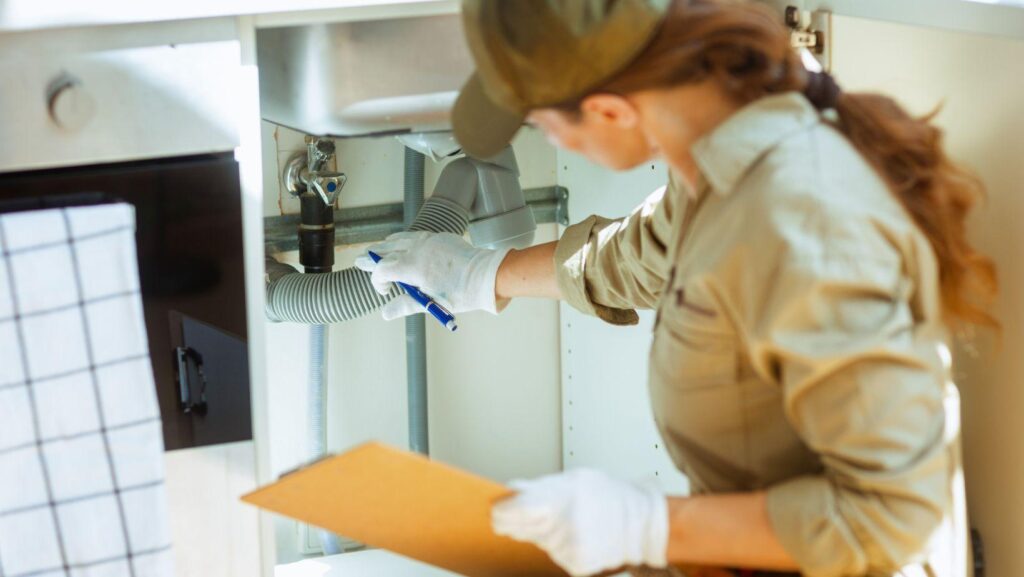
For a long time, plumbing sat in the category of “if it isn’t broken, don’t touch it.” Homeowners would deal with dripping taps, slow drains, or the occasional drop in water pressure, but a full inspection? That often felt unnecessary.
That mindset is changing quickly.
Modern homes are more complex than they used to be, and modern homeowners are carrying more risk. Water damage remains one of the most expensive and disruptive issues a property can face, not only because of the repair itself, but because of what it sets off: damaged flooring, mould growth, ruined plaster, electrical concerns, and insurance claims that can drag on for months. In that context, plumbing inspections are no longer just a maintenance extra. They’re becoming a practical part of owning a home responsibly.
The Hidden Nature of Plumbing Problems
The challenge with plumbing is that the most serious issues often stay invisible until they become expensive.
A roof leak usually leaves a visible stain. A faulty boiler often gives obvious warnings. Plumbing, by contrast, can fail behind walls, beneath floors, under kitchen units, or in the ground outside. By the time a homeowner notices warped skirting boards or a damp patch on the ceiling, the problem may have been developing for weeks.
Even relatively minor leaks can waste a remarkable amount of water. The U.S. Environmental Protection Agency has long noted that common household leaks can account for nearly 10,000 gallons of wasted water per year in an average home. The exact figure varies by property, but the principle is the same everywhere: what looks small on the surface can become costly over time.
That matters more today because homeowners are paying closer attention to monthly running costs. Water bills, energy prices, and maintenance expenses have all risen. A plumbing system that isn’t operating efficiently is no longer just inconvenient; it actively erodes household budgets.
Homes Are Aging, Even When They Look Modern
A fresh kitchen or recently retiled bathroom can give the impression that a home’s plumbing is in good shape. But cosmetic improvements don’t always reflect what’s happening in the pipework.
Many properties still rely on older materials, dated jointing methods, or layouts that were never designed for current demand. A home that now supports multiple bathrooms, power showers, dishwashers, utility rooms, and garden taps may be pushing an old system far harder than it was originally intended to handle.
This is one reason routine assessment is becoming more important. A proper inspection looks beyond the visible fixtures and considers pressure consistency, signs of corrosion, drainage performance, valve condition, and the potential for future failure. For homeowners who want to understand what such a review typically involves, a detailed plumbing inspection guide can help clarify the process and the kinds of issues professionals are usually looking for.
The point isn’t to create alarm. It’s to replace guesswork with information.
Why Inspections Matter More in Today’s Housing Market
Homeownership has become less forgiving. People are stretching further to buy, borrowing at higher costs, and trying to protect the value of a property in a market where unexpected repair bills can cause real strain.
Prevention Is Cheaper Than Restoration
This is the most obvious argument, but it remains the strongest. Catching a compromised pipe, a failing seal, or an early drainage issue is almost always cheaper than dealing with a major escape of water. The difference is not just the invoice from a plumber. It’s the knock-on cost of drying, redecorating, replacing finishes, and sometimes moving out temporarily.
Buyers and Sellers Are Looking More Closely
Plumbing inspections are also becoming more relevant during property transactions. Buyers are more cautious than they were a decade ago, especially when purchasing older homes or properties that have been heavily renovated. Sellers, meanwhile, benefit from being able to identify and address issues before they derail negotiations.
In practical terms, an inspection can reduce uncertainty on both sides. It won’t eliminate every concern, but it can bring clarity to a system that often receives less scrutiny than the roof or electrics.
Insurance Expectations Are Evolving
Insurers have become increasingly alert to water-related claims, and for good reason: they are frequent, messy, and expensive. While not every insurer requires plumbing checks, homeowners who ignore ongoing leaks, poor maintenance, or obvious warning signs may find themselves in a weaker position when making a claim.
A documented history of sensible maintenance can matter more than people realise.
The Rise of Smarter, More Preventive Homeownership
There’s also a cultural shift happening. Homeowners are getting better at thinking in systems rather than symptoms.
Instead of waiting for a crisis, they’re scheduling boiler servicing, checking insulation, maintaining gutters, and monitoring energy efficiency. Plumbing is increasingly part of that same preventive mindset. This is especially true in households with smart leak detectors, water monitoring devices, and renovated spaces where hidden pipework is harder to access once everything is finished.
A modern plumbing inspection can reveal more than leaks. It can help homeowners understand whether their water pressure is appropriate, whether drainage is moving efficiently, and whether small faults are creating long-term wear on appliances and fixtures.
When Should a Homeowner Arrange an Inspection?
There’s no single rule that fits every property, but certain moments make an inspection especially worthwhile.
- before buying an older home
- after a major renovation or extension
- when recurring drainage, pressure, or damp issues appear
- if the property has been vacant for a period
- as part of routine maintenance in homes with aging pipework
Even without obvious symptoms, a periodic review makes sense in properties where the plumbing system is old, heavily used, or partially undocumented.
A Practical Step, Not an Overreaction
Some homeowners still hear the phrase “plumbing inspection” and imagine an unnecessary layer of cost or complication. In reality, it’s closer to a health check than a repair job. You’re not assuming something is wrong. You’re making sure a critical system in your home is functioning the way it should.
That’s why plumbing inspections are becoming essential rather than optional. They help prevent expensive surprises, support more informed decisions, and give homeowners a clearer picture of what’s happening behind the walls and under the floors. In an era where repair costs are high and disruption is even higher, that kind of clarity has real value.
For modern homeowners, the question is no longer “Why inspect the plumbing?” It’s “Why wait until it fails?”
About The Author

 Reasons Why My AC Might Be Blowing Warm Air
  Window Replacement in Calgary: Cost Guide & Energy-Efficient Options for Alberta Winters
  When Is a Cash House Sale the Right Choice?