
Why Storm Damage Roof Inspections Should Happen Immediately
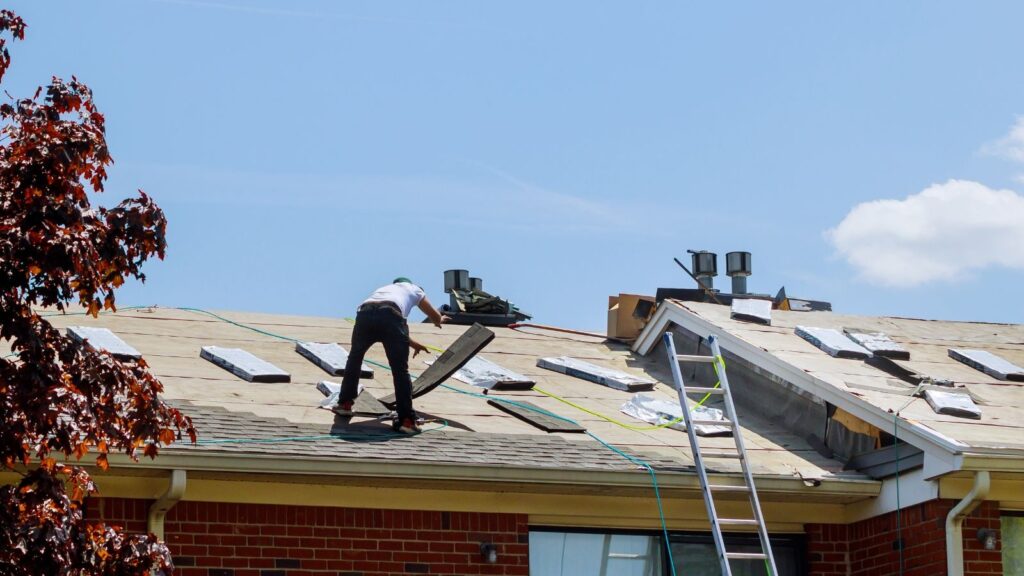
Severe weather can leave a lasting impact on your home, and your roof is often the first line of defense to take a hit. Whether it’s high winds, hail, heavy rain, or snow, storms can cause damage that isn’t always obvious right away. Many homeowners assume that if there are no leaks or visible issues, everything is fine but that assumption can lead to costly consequences.
This is exactly why contacting a trusted residential roofing company in Minneapolis as soon as possible after a storm is one of the smartest decisions a homeowner can make. Professional inspections can uncover hidden damage early, giving you the chance to fix problems before they escalate into major repairs or even full roof replacements.
In this article, we’ll explore why immediate roof inspections after a storm are so important, what can go wrong if you delay, and how acting quickly can save you time, money, and stress.
The Hidden Nature of Storm Damage
One of the biggest challenges with storm-related roof damage is that it’s often not visible from the ground or even to the untrained eye. A roof may appear intact while still suffering from serious underlying issues.
Storms can cause:
- Micro-cracks in shingles
- Loosened or lifted materials
- Compromised flashing around vents and chimneys
- Small punctures from hail or debris
These problems may not cause immediate leaks, but they weaken your roof’s ability to protect your home. Over time, even minor damage can allow moisture to seep in, leading to mold, rot, and structural deterioration.
An immediate inspection helps identify these hidden issues before they worsen.
Damage Gets Worse Over Time
Roof damage doesn’t stay the same it spreads. What starts as a small issue can quickly evolve into a major problem, especially when your roof continues to face exposure to the elements.
For example:
- A lifted shingle can allow water to seep underneath
- That moisture can damage the roof decking
- Eventually, it can lead to interior leaks and mold growth
Delaying an inspection means giving these problems time to grow. By the time you notice visible signs like water stains or dripping ceilings, the repair costs are often significantly higher.
Immediate inspections stop this chain reaction early.
Insurance Claims Have Time Limits
Another critical reason to act quickly is insurance. Most homeowners’ insurance policies have strict timelines for filing storm damage claims. Waiting too long to inspect your roof could mean missing your opportunity to get coverage.
In addition:
- Insurance companies require proof of storm-related damage
- Documentation is easier to obtain right after the storm
- Delays can make it harder to prove the damage was weather-related
A prompt inspection provides detailed documentation, including photos and reports, which can support your claim and improve your chances of approval.
Preventing Secondary Damage
Storm damage doesn’t just affect your roof it can impact your entire home if left unchecked. Once your roof’s protective barrier is compromised, other parts of your home become vulnerable.
Potential secondary issues include:
- Water damage to ceilings and walls
- Insulation deterioration
- Electrical hazards from moisture exposure
- Mold and mildew growth
These problems are often more expensive and complicated to fix than the initial roof damage itself. Acting quickly helps contain the issue before it spreads beyond the roof.
Peace of Mind After Severe Weather
Storms can be stressful, especially when you’re unsure whether your home has been affected. An immediate roof inspection provides clarity and peace of mind.
Instead of worrying about hidden damage, you’ll know:
- The current condition of your roof
- Whether repairs are needed
- What steps to take next
Even if the inspection reveals minimal damage, that reassurance is valuable. And if issues are found, you can address them right away rather than dealing with unexpected problems later.
Professional Inspections Catch What You Can’t
Many homeowners attempt to inspect their roofs themselves, but this approach has limitations and risks. Climbing onto your roof can be dangerous, especially after a storm when surfaces may be wet or unstable.
More importantly, untrained inspections often miss subtle signs of damage.
Professional roofing experts:
- Know exactly what to look for
- Use specialized tools and techniques
- Identify both visible and hidden issues
- Provide detailed reports for repairs or insurance claims
Their experience allows them to detect problems that would otherwise go unnoticed.
Immediate Repairs Can Prevent Emergencies
When damage is identified early, repairs can be scheduled and completed in a controlled, cost-effective manner. Waiting too long, however, increases the risk of sudden failures.
For instance:
- A weakened section of roof could collapse under heavy snow
- A small leak could turn into a major water intrusion during the next storm
- Loose materials could be blown off, causing additional damage
Immediate inspections allow you to address vulnerabilities before they become emergencies.
Weather Conditions Can Make Things Worse
In regions with harsh or unpredictable weather, delaying a roof inspection can be especially risky. One storm is often followed by another, and existing damage can worsen quickly under repeated stress.
For example:
- Freeze–thaw cycles can expand small cracks
- Additional wind can tear off already loosened shingles
- Rain can penetrate areas that were previously sealed
An immediate inspection ensures your roof is prepared to handle upcoming weather conditions.
Protecting Your Home’s Value
Your roof plays a major role in your home’s overall value. Undetected storm damage can reduce that value, especially if it leads to visible issues or structural concerns.
If you plan to sell your home in the future, a damaged roof can:
- Lower your property’s market appeal
- Lead to failed inspections during the sale process
- Result in costly repair negotiations with buyers
By addressing storm damage early, you maintain your home’s condition and protect its long-term value.
Saving Money in the Long Run
It might seem like skipping an inspection saves money, but the opposite is usually true. Small, early repairs are far less expensive than major restoration projects.
Consider this comparison:
- Replacing a few shingles: relatively low cost
- Repairing water-damaged decking and insulation: significantly higher cost
- Fixing mold and interior damage: even more expensive
Immediate inspections help you catch problems when they’re still manageable and affordable.
Creating a Maintenance Record
Regular inspections especially after storms help build a documented history of your roof’s condition. This record can be useful for:
- Insurance claims
- Warranty requirements
- Future maintenance planning
Having a clear timeline of inspections and repairs shows that you’ve taken proper care of your roof, which can be beneficial in multiple situations.
What Happens During a Storm Damage Inspection?
Understanding the inspection process can help you know what to expect. A professional roof inspection typically includes:
- A thorough visual assessment of shingles, flashing, and roof structure
- Checking for signs of impact damage from hail or debris
- Inspecting gutters and drainage systems
- Examining attic spaces for hidden moisture or structural issues
- Documenting findings with photos and detailed notes
After the inspection, you’ll receive recommendations for any necessary repairs or next steps.
When Should You Schedule an Inspection?
The best time to schedule a roof inspection is as soon as possible after a storm, especially if the storm included:
- High winds
- Hail
- Heavy rainfall
- Falling debris
Even if you’re unsure whether your roof was affected, it’s better to be proactive. Waiting for visible signs can put your home at risk.
Final Thoughts
Storms can cause more damage than meets the eye, and your roof often bears the brunt of it. While it might be tempting to assume everything is fine if there are no obvious issues, hidden damage can quickly turn into serious problems.
Immediate roof inspections are not just a precaution; they’re a critical step in protecting your home, your finances, and your peace of mind. By acting quickly, you can identify issues early, prevent further damage, and ensure your roof continues to do its job effectively.
In the end, the cost of an inspection is small compared to the potential consequences of waiting. When it comes to storm damage, timing matters and sooner is always better.
About The Author

 Jules Perosky: Inside RapidHomeDirect’s Editor Role — What It Means For Real Estate Content In 2026
  Cheetahinc mold inspections rapidomedrect service – Fast, Reliable Mold Detection And Remediation In 2026
  Rhdhomesafety tips recap rapidhomedirect – S Practical Guide To A Safer Home In 2026