
Eco-Friendly Outdoor Buildings: Sustainable Solutions for Your Backyard
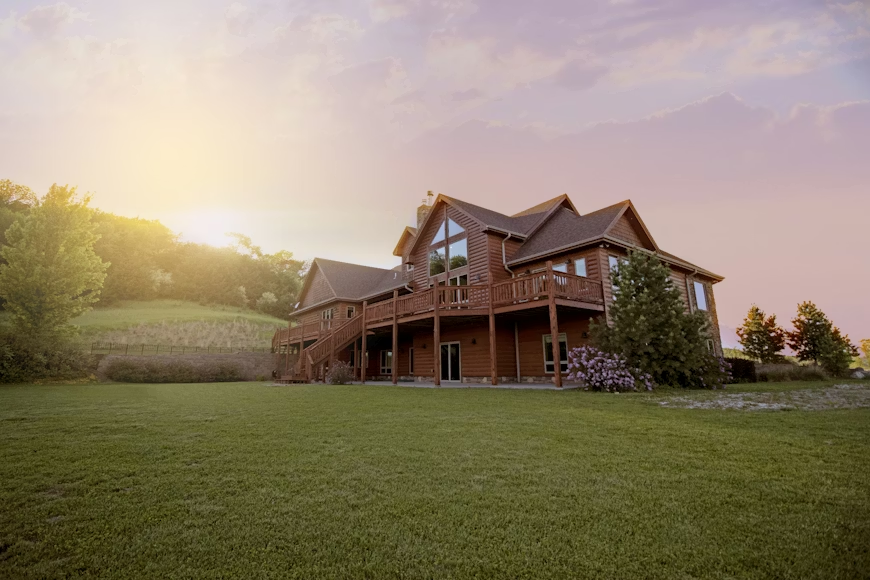
Are you looking to level up your backyard spaces AND help save the planet?
Eco-friendly outdoor buildings are one of the biggest trends we’re seeing among homeowners that care about their home exterior AND want to do right by the environment. But wait…
It doesn’t have to cost you an arm and a leg or lower the quality of your backyard storage solution.
In fact, sustainable backyard buildings can actually save you money over time. They’re built to last longer, withstand the harshest of weather conditions and many even increase home value.
Stick around to learn:
- Why Going Green with Your Backyard Building Makes Sense
- The Most Sustainable Materials To Use When Building
- Energy Efficient Features You Can Add
- Long Term Benefits of Choosing Sustainable Buildings
Why Going Green with Your Backyard Building Makes Sense?
Let’s start with the not-so-fun stuff. The construction industry is bad for the environment.
Buildings and construction make up 37% of worldwide emissions. Yikes. But here’s the bright side…
Every homeowner has the opportunity to decrease their carbon footprint by building a sustainable shed or outdoor building. When you’re in the market for perfect sheds and outdoor buildings to compliment your home exterior, going green is a great place to start.
Traditional building materials
Think about the impact traditional materials like concrete and virgin timber have on the planet.
Resource depletion, air and water pollution, habitat destruction…the list goes on and on.
Sustainable building materials help to decrease these harmful effects.
Not only that, but they also meet the expectations of homeowners when it comes to durability and overall functionality.
The demand for green outdoor structures is here to stay.
And for good reason. Eco-friendly sheds and buildings protect your investment and help protect the planet.
You can save on energy consumption, keep your shed intact for decades (not to mention the 10 year props) and increase your home value all by choosing an environmentally friendly building.
Win. Win. Win.
The Most Sustainable Materials To Use When Building
Not all materials are created equal when sustainability is concerned.
While there are quite a few eco-friendly options, these stand out among the rest due to their low impact on the environment.
Steel that is recycled
Steel is 100% recyclable and can be recycled endlessly without losing strength or quality. Most steel buildings are made with recycled material already. When they reach the end of their lifecycle, they can be melted down and remade into new buildings.
Also, steel does not lead to deforestation like traditional wood buildings do.
Recycled Plastic and composite materials
Recycled plastic buildings are made from post-consumer milk jugs, detergent bottles, and other plastic products that would normally end up in a landfill.
Not only are they resistant to rot, bugs, and moisture, but they also help reduce our dependence on landfills and virgin plastic.
FSC certified wood
If you’re set on using wood, make sure it’s FSC certified. FSC certified lumber is sourced from forests that provide “environmental, social and economic benefits.”
Bamboo
Unlike traditional hardwoods that take 20+ years to grow, bamboo can be ready for harvesting in just a few years.
It’s lightweight but still incredibly strong and has natural resistance to moisture, pests, and decay.
When in doubt, ask! Ask your supplier about recycled content and where their materials come from. These small things matter more than you think.
Energy-Efficient Features Worth Adding
Building with sustainable materials is just one piece of the puzzle.
You can take it a step further by adding energy efficient features to your outdoor building.
Not only will they help reduce your carbon footprint even more, but they can also save you money on utilities.
Solar Panels
Solar panels are a great way to utilize clean energy for lighting, power tools or even send back to your homes electrical system.
Natural Lighting and Ventilation
Open up windows, install skylights and add venting. There’s no reason to use electricity when you have access to natural sunlight and fresh air.
This simple swap can reduce energy consumption by a significant margin.
Insulation
Yep, outdoor buildings can benefit from insulation too! Improving the insulation in your building will help regulate indoor temperature and reduce your buildings climate control needs.
Rainwater Collection Systems
By adding a rainwater collection system to your shed, you can capture rainwater and reuse it to water your garden or wash your equipment.
You can also rethink the groundcover around your shed. Pairing permeable bases and drought-tolerant landscaping with professional artificial grass installers can cut irrigation needs, minimize mud, and keep pathways tidy year‑round. Quality turf systems use efficient drainage layers and low‑VOC infill, making them a smart complement to rainwater harvesting and natural ventilation while reducing maintenance.
To keep time around your sustainable shed comfortable and low-maintenance, consider Last Bite Mosquito and Tick Control for yard-wide mosquito and tick treatments that align with eco-friendly landscaping and help protect pets and family.
Living Roofs
Also known as green roofs. These are great for insulation, absorbing rainwater and providing a home for wildlife.
From harmless bug hotels to low maintenance succulents there are plenty of options for creating a living roof that’ll enhance your outdoor buildings overall look.
Pretty awesome if you ask me.
Long Term Benefits of Choosing Sustainable Structures
Mother nature isn’t the only one who benefits from sustainable outdoor buildings.
Homeowners reap the benefits of thinking green too!
We already mentioned a few benefits above, but recent research shows that 29% of all new sheds sold contain recycled materials. That number will only continue to grow as consumers become more aware of sustainable practices.
Why does this matter?
Well for starters, outdoor buildings made from sustainable materials just last longer.
Period. The materials used to create green buildings are more durable than your your average 10 year prop shed.
They’re also low maintenance.
Say goodbye to toxic stains and sealants. Green materials don’t require constant upkeep or replacements like traditional wood buildings.
I’ve sold enough sheds to know that DIYers will ding up a perfectly good siding every. Single. Time.
Once your backyard building is built, you can sit back and enjoy the beauty of it.
Not to mention, sustainable features are selling points. Eco-friendly home buyers are willing to pay more for a home with green initiatives.
You’ll also save money on utility bills by adding solar panels, insulation, and focusing on natural lighting.
Who knew helping the planet could be so beneficial?
Last but not least, you’ll be helping to create a healthier environment for you and your family.
Low VOC finishes. Recycled building materials. It all adds up to healthier air quality for you and your home.
While eco-friendly buildings may cost you a few extra bucks upfront. They save homeowners money in the long run.
Whether it’s reducing maintenance costs, utilities, or not having to rebuild every few years…
Don’t worry if you can’t afford to build an entirely green outdoor building. Many manufacturers are starting to offer sustainable products at the same price as traditional buildings.
Wrapping It Up
Congratulations! You are well on your way to making an informed decision about building an eco-friendly outdoor building.
Remember:
- The construction industry damages the environment every year. Homeowners can help reduce that impact by choosing green options
- Recycled steel, composite materials, and FSC certified wood are three of the best materials you can use to build a sustainable backyard building
- Add solar panels, focus on natural lighting and build with sustainable materials to decrease your carbon footprint
- Sustainable backyard buildings save homeowners money in the long run
At the end of the day, eco-friendly outdoor buildings are better for the environment and last way longer than your average backyard building. They’re the best of both worlds!
If you’re ready to take your backyard to the next level and save some cash, start by looking into eco-friendly building options. Your backyard of the future is GREEN and it can start today.
About The Author

 Home Exterior Topics Covered by Kenneth Stevenson
  How to Choose the Perfect Brass Finish for Your Door Handles
  How To Find Diamond Curb Lining Deals on RapidomeDirect: 2026 Shopping Guide