
Importance of Access Control Systems for Commercial Properties
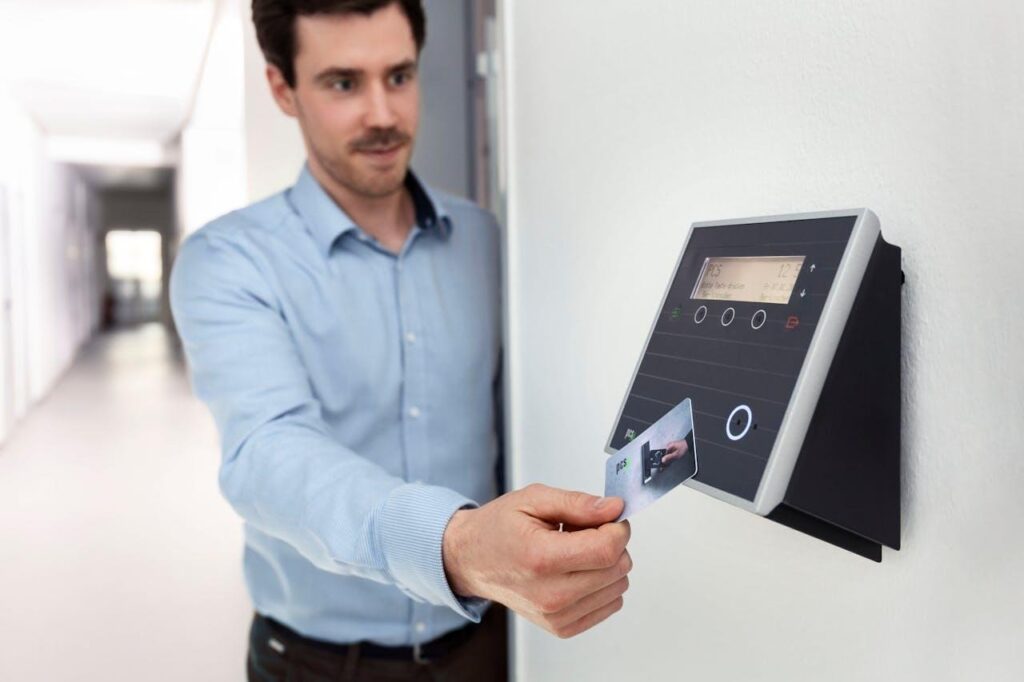
If you manage or own a commercial property, but can’t confidently say who has access to it, you’re already taking on risk, whether you realize it or not. Access control systems exist to minimize that risk. Not eliminate it in its entirety, but to help reduce the uncertainty.
Since they manage entry points using credentials instead of keys, they create a record of movement, and in doing so, give you the ability to shut access off instantly when circumstances change. With one, you can control access intentionally instead of reactively. In other words, decide exactly who can enter your property, when they can do it, and what areas stay off-limits.
Without that structure, even well-managed buildings are exposed to risks that can be expensive to fix.
Why Traditional Locks Fall Short in Commercial Settings
Physical keys make sense, but not in all situations. For example, keys can get copied, employees can leave without returning them, and vendors can sometimes retain access longer than intended. And when something goes missing, you have no record of who entered or when.
Access control systems solve this by replacing assumptions with data. A credential can be deactivated instantly. Access schedules change without rekeying a building. And every entry attempt leaves a timestamp behind. This kind of visibility especially matters once a property scales beyond a handful of users.
So while keys still have their place, relying on them alone is simply not enough for most commercial properties. Not if the goal truly is better security.
Core Security Benefits They Offer
The biggest benefit isn’t just “better security.” It’s control that adapts as your property changes.
- You can assign access by role rather than by trust.
- Cleaning crews enter after hours but not server rooms.
- Tenants access their floors but not yours.
- Temporary workers receive credentials that expire automatically (no awkward follow-ups required).
And then there’s deterrence. According to the Security Industry Association, visible electronic access controls improve security simply because they raise the perceived risk of being identified. Add audit trails, and incidents become easier to resolve without guesswork or finger-pointing.
Operational Efficiency Hides Inside Security Decisions
Security upgrades often get framed as cost centers. but that’s short-sighted.
Access control systems reduce administrative overhead in ways that compound over time: no rekeying costs, fewer lockouts, faster onboarding. Also cleaner handoffs when tenants change or departments restructure.
And when access integrates with other systems like time tracking, visitor management, and/or video surveillance, you gain a clearer operational picture. As a result, you also get fewer small inefficiencies.
In other words, security and operations stop competing for budget once they start supporting each other.
Compliance, Liability, and the Paper Trail
If your property supports healthcare, finance, logistics, or data-sensitive operations, access control is actually not negotiable.
Regulations like HIPAA, PCI DSS, and SOC 2 don’t just ask whether you restrict access. They ask whether you can prove it. So, logs and role-based permissions matter. And consistent enforcement matters most.
Without an access control system, proving compliance becomes a manual, error-prone exercise. With one, reporting turns into a few clicks.
What to Look for in a Security Service Provider
Not all systems (or providers) approach access control the same way. You want partners who design for how your property actually functions, not how a spec sheet looks.
Ask about scalability. Ask about integration with existing infrastructure. Ask how they handle credential lifecycle management. And ask about local support. So, if you’re in Clinton, it would make sense to work with established providers like Mammoth Security. Especially when you need guidance on system design, compliance requirements, and long-term support, not just the initial install.
Also worth asking: who owns the data, how updates roll out, and what happens if your needs change mid-contract (because they will).
Planning for the Long Term, Not Just the Install
Access control works best when it evolves alongside your property. That means reviewing access rules quarterly, auditing logs periodically, and aligning credentials with HR or tenant management processes.
But it also means thinking ahead. So, mobile credentials, cloud-based management, and redundancy planning. These are all becoming baseline expectations in commercial security planning.
And when something does go wrong, the difference between a locked door and a controlled system shows itself immediately. One leaves you guessing. The other gives you answers.
In the end, security decisions don’t have to feel dramatic to be impactful. Access control proves its value quietly, every day, by preventing problems you never have to deal with. That’s usually the best kind of system to invest in.
About The Author

 Signs Your Home May Have Foundation Problems
  Upgrade Your Home with Australia’s Finest Security Doors
  The 2026 DIY Home Energy Audit That Actually Lowers Your Bills