
Exterior Painting Services: What Separates a Good Job from a Great One
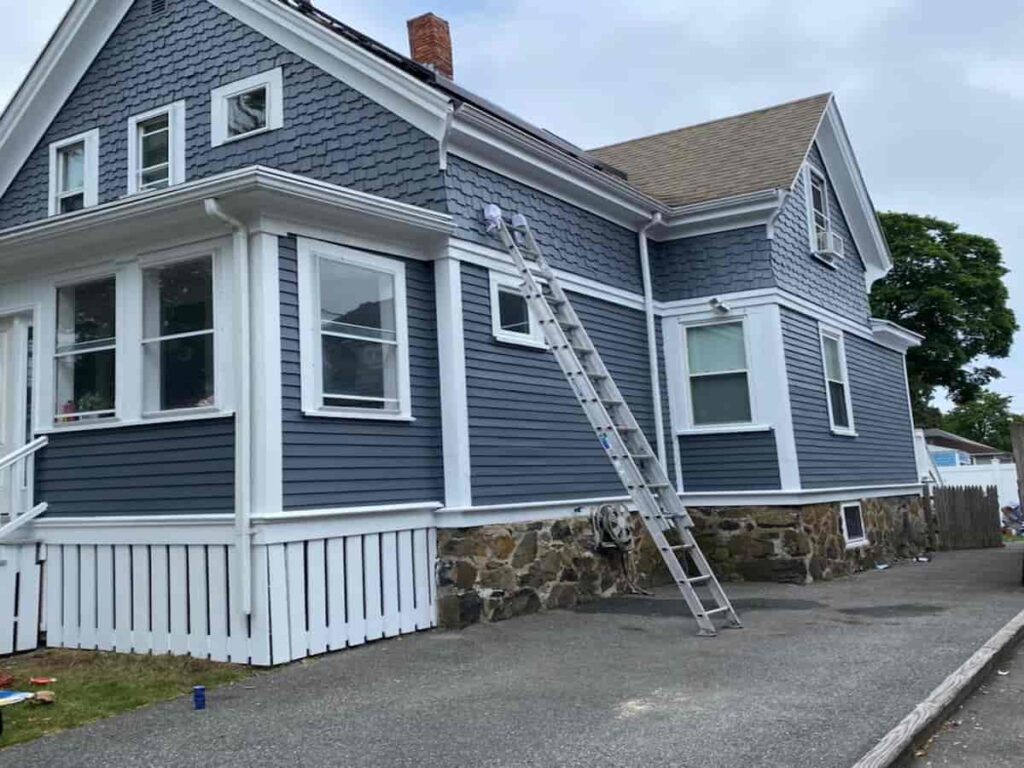
Here’s something most homeowners discover a little too late: the outside of your home works harder than any other part of it. It faces the sun every summer, freezes every winter, and absorbs everything in between – wind, rain, humidity, and years of slow, invisible wear.
And yet, the exterior is usually the last thing people think about until something goes visibly wrong. By then, a straightforward maintenance job has become a much bigger problem.
The good news? Getting ahead of it isn’t complicated. But it does require knowing what you’re doing, or finding someone who does. Here’s a clear, honest look at everything that goes into making an exterior paint project worth the money you spend on it.
What Exterior Painting Services Actually Protect Against
Paint is often treated like a finishing touch, the last step before you stand back and admire the result. In reality, professional exterior painting services are doing something far more functional than making a house look good.
A properly applied exterior coat is a barrier. It keeps water from working its way behind siding and into wall cavities. It blocks the kind of UV exposure that breaks down wood fibres over time. It seals the small gaps where air movement and insects find their way in during seasonal shifts.
When that barrier holds, you don’t think about it, which is exactly how it should be. When it fails, even slowly, you start dealing with problems that compound fast: warped boards, mould behind walls, rot that spreads further than you can see from the outside.
Worth knowing: Paint failure rarely looks dramatic at first. It usually starts as a small area of bubbling or a faint chalky residue you can wipe off with a finger. By the time it’s peeling in sheets, the damage underneath has been building for a while. Catching it early is always the cheaper option.
Why Exterior Painting Services Aren’t a DIY Shortcut
There’s nothing wrong with being handy. But exterior painting is one of those projects where the gap between what looks manageable and what the job actually requires is genuinely wide.
It’s not about painting skill. Most people can apply paint reasonably well on a flat surface. The challenge is everything that comes before it, diagnosing what the surface actually needs, choosing the right products for the material and the climate, working safely at height, and managing the job so that conditions stay right throughout.
Professional crews bring systems to all of that. They’ve done this enough to know when a surface needs more prep than expected, when a primer is non-negotiable, and when weather conditions mean you pause rather than push through.
Real Talk: DIY exterior painting often costs more than people expect once you factor in equipment rental, wasted materials from mistakes, and, in some cases, having to hire someone to redo the job properly a couple of seasons later. The math doesn’t always work out the way it looks on paper.
How to Tell if a Company Actually Knows What They’re Doing
Finding a painting company is easy. Finding one that does the work the right way takes a bit more effort. Here’s what to pay attention to when you’re evaluating your options.
They talk about prep before they talk about paint
Any contractor worth hiring will spend more time explaining their preparation process than their colour recommendations. Surface cleaning, scraping, sanding, caulking, wood repairs – this is where the outcome of a paint job is actually determined. If a company jumps straight to talking about the topcoat without addressing prep, that tells you something important.
They give you specifics, not vague assurances
A professional quote should spell out exactly what’s included: which surfaces are covered, how many coats, what brand and product line of paint, what prep steps are part of the scope, and what isn’t. If a quote is vague on any of those points, ask directly. If the answers stay vague, move on.
They can point to finished work you can actually see
Photos are helpful. References are better. A company that has been doing this for a while should be able to connect you with past clients who can speak to the experience – not just how the job looked when it was done, but how it’s held up since.
They carry the right coverage
General liability insurance and workers’ compensation aren’t optional extras – they’re basic protections for you as the homeowner. If anything goes wrong on your property, you don’t want to be left holding the liability. Ask for proof of coverage before any work begins, and verify it’s current.
Quick Tip: Get a minimum of three quotes before you decide. Not to find the lowest number, but to understand what a reasonable scope actually looks like. When you can compare three detailed quotes side by side, outliers, in either direction, become obvious fast.
The Prep Work that Most Homeowners Underestimate
If you asked most professional painters what separates a job that lasts eight years from one that starts failing in two, they’d give you the same answer: preparation. Not the brand of paint. Not the number of coats. Prep.
Here’s what a thorough prep process actually involves, and why each part matters.
1. Surface washing
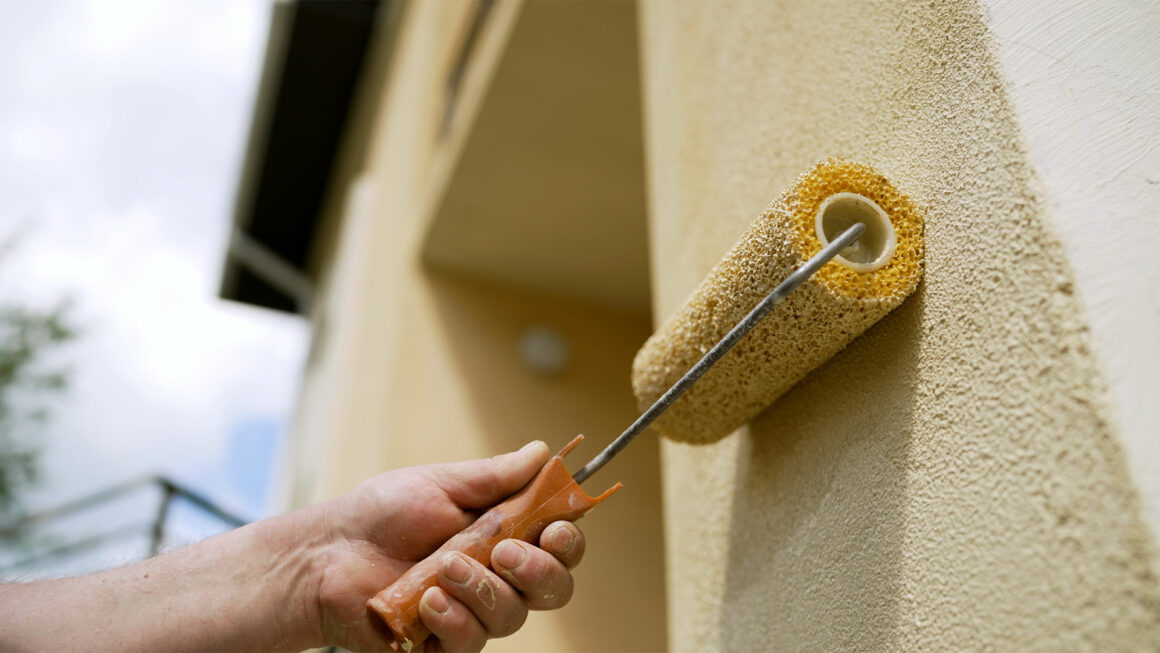
Paint won’t bond to a dirty surface. Before anything else, the exterior gets pressure-washed to clear away accumulated grime, biological growth, and the chalky residue from old, degraded paint. This isn’t just about cleanliness; it’s about creating a surface that paint can actually grip.
2. Scraping and sanding
Any paint that’s already lifting, bubbling, or cracking gets removed. The edges get feathered, so there’s no hard lip for the new coat to bridge. This step is time-consuming and unglamorous, which is exactly why it gets skipped when companies are trying to move fast or keep bids low.
3. Repairs and caulking
Gaps around window frames, joints between trim and siding, and any cracked or missing caulk, all of it gets addressed before painting starts. These are the entry points for water. Sealing them properly is non-negotiable if you want the job to hold up over time.
4. Priming the right areas
Bare wood absorbs paint unevenly and dries faster than the surrounding surface. Repaired sections behave differently from the original material. Both need primer before the topcoat goes on, not as an upsell, but because skipping it produces a visibly inconsistent finish and shortens the life of the whole job.
Worth knowing: The prep phase on a thorough exterior job often takes longer than the painting itself. If a crew is in and out in a single day on a two-storey home, it’s worth asking what got skipped.
Choosing Colours That Work, Not Just Colours You Like
Colour is the part people obsess over, and it’s genuinely important. But a lot of homeowners approach it backwards, falling in love with a shade on a screen or a small swatch, then being disappointed when it reads completely differently on the actual building.
Your fixed elements set the rules
The roof, driveway, stonework, and any brick on your home create a palette you’re working within, whether you acknowledge it or not. A colour that clashes with the roof reads as wrong to every visitor, even if they can’t explain why. Start by identifying the undertones in your fixed elements and build from there.
Light changes everything
A north-facing wall gets flat, cool light all day. The same colour on a south-facing wall in direct afternoon sun can look like an entirely different shade. This is why paint swatches at the hardware store are almost useless as a decision tool — the lighting conditions in the store have nothing to do with the lighting conditions at your home.
Test at scale before you commit
Paint a large section directly on the wall, not a small square, but a section big enough to read as a mass of colour. Watch it at different times of day and in different weather. What you see at noon on a sunny day and what you see at four in the afternoon under clouds are not the same colour. Make the call after you’ve seen both.
Quick Tip: The most dependable exterior schemes use three tones – one for the main body, one for trim, and one for accent points like the front door. Each tone should relate to the others. When colours don’t clearly belong together, the result looks accidental rather than intentional.
When to Schedule and Why Timing Matters More than Most People Think
Exterior painting isn’t something you can schedule around your convenience alone. The conditions outside have a direct effect on how paint behaves – how it levels, how it bonds, and how it cures.
Temperature swings, high humidity, and rain in the forecast all create problems that show up weeks or months later as uneven sheen, poor adhesion, or bubbling. The practical window for most of Canada runs from late spring through early fall, roughly May to October, with consistent temperatures above 10°C.
Why booking late is a bigger problem than it seems
Experienced painting companies with strong reputations tend to fill their schedules months in advance during peak season. If you start looking in June for a July start date, you’re often choosing between whatever is still available, not necessarily what’s best.
The best approach is to make the decision in late winter, get your quotes done in early spring, and lock in your booking before the rush hits. You’ll have more options, more flexibility on timing, and a better chance of getting a crew that isn’t already stretched thin.
The Real Value of Getting Exterior Painting Services Right
Here’s the bottom line. Exterior painting services done properly aren’t just a visual upgrade; they’re one of the most cost-effective ways to maintain the structure and value of your home over the long term.
A job that’s rushed, under-prepped, or handed to the lowest bidder will look fine for a season and start showing problems within a couple of years. A job done right, by a company that takes prep seriously, uses quality materials suited to the climate, and backs their work with a warranty, holds up for nearly a decade.
That difference compounds. Every year a good paint job lasts is another year moisture isn’t finding its way into your walls, another year you’re not looking at unexpected repair bills, and another year your home holds its value at the street level where first impressions are formed.
Take the time to find the right team. Ask the questions that matter. Don’t let price be the only number you’re comparing. Quality exterior painting services are one of those investments that reward you quietly, year after year, every single day.
About The Author

 Home Exterior Topics Covered by Kenneth Stevenson
  How to Choose the Perfect Brass Finish for Your Door Handles
  How To Find Diamond Curb Lining Deals on RapidomeDirect: 2026 Shopping Guide