
Smart plumbing upgrades that quietly transform everyday living
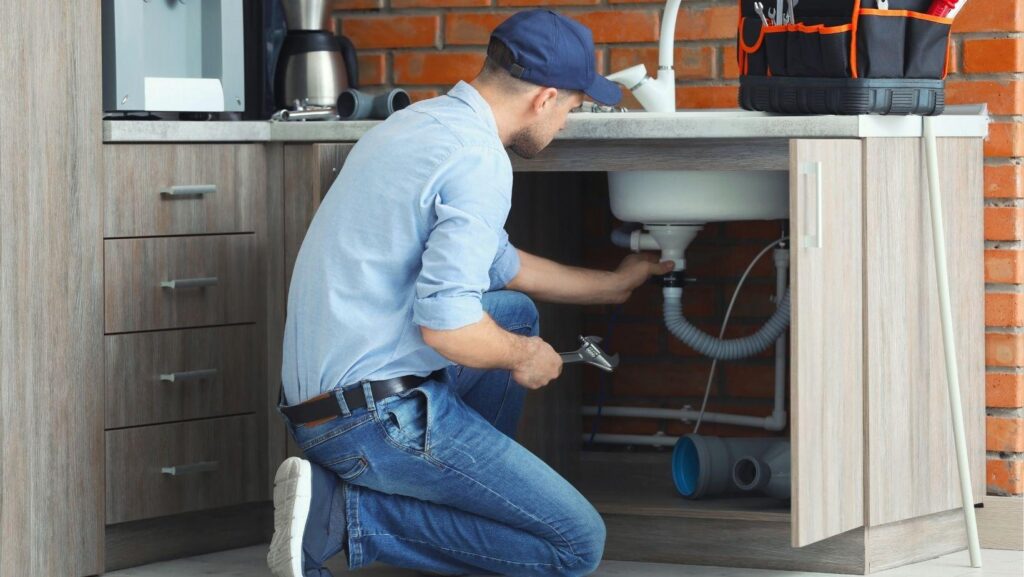
Why plumbing is the hidden backbone of a comfortable home
When people think about improving their homes, they usually picture new furniture, fresh paint, or stylish wall finishes. The systems behind the walls receive far less attention, even though they shape how a home feels every single day. Plumbing sits right at the center of that quiet comfort. It determines whether showers hold steady temperature, whether the kitchen sink keeps up with family life, and whether you can run the dishwasher at night without worrying about a leak waking you up at 2 a.m.
Good plumbing is a little like good editing in a movie. You only notice it when something goes wrong. A dripping faucet, a toilet that clogs too often, or a water heater that runs cold halfway through a shower can turn the most beautifully styled room into a daily frustration. That is why thoughtful plumbing upgrades belong in the same conversation as new flooring or decorative finishes from brands like Akuwoodpanel. The choices you make behind the walls influence how much you actually enjoy those visible design elements.
Plumbing decisions that pay off in busy family kitchens
The kitchen is usually the busiest room in a home, and the plumbing there does more than just supply water. It supports how you cook, clean, entertain, and even how you plan your day. A single-bowl, deep sink with a powerful pull-down faucet makes rinsing sheet pans and stockpots simpler, which means less clutter piling up on the counter. Adding a second sink in an island can create a clear prep zone so more than one person can cook without bumping into each other.
Garbage disposals, filtered water taps, and pot fillers are small details that change daily routines. A high-quality garbage disposal helps keep drains clear and odors down, especially in homes that cook often. Under-sink filtration can reduce bottled water purchases and free up fridge space. Pot fillers mounted near the stove are a luxury in smaller kitchens, but in large or open-plan spaces they can prevent heavy, awkward trips from sink to cooktop with a full stockpot.
Bathrooms where plumbing design and style work together
Bathroom style trends shift constantly, from bold tile to spa-like neutrals, but the most satisfying spaces blend visual design with practical plumbing choices. The height and placement of shower valves, the type of showerhead, and the layout of drains all influence how a bathroom feels in everyday use. A thermostatic mixing valve that keeps water at a consistent temperature can quickly become a favorite feature during cold Midwest winters.
Thoughtful placement of shutoff valves and access panels means repairs can be handled without tearing into freshly renovated walls. That matters even more when you integrate statement finishes such as textured paint, patterned tile, or modern wood wall paneling. A licensed plumber who understands remodeling can route supply and drain lines so they stay accessible while still protecting the aesthetics of the room.
How plumbing supports energy efficiency and lower utility bills
When homeowners talk about lowering their energy bills, they often think first about windows or insulation. Yet plumbing upgrades can quietly reduce water and gas or electric use at the same time. High-efficiency toilets, for example, use a fraction of the water of older models while offering improved flush performance. Modern faucets and showerheads can deliver strong, satisfying water pressure while still meeting low-flow standards.
Water heaters are another major factor. Traditional storage tank heaters keep large volumes of water hot around the clock, which can be wasteful for smaller households or for homes with inconsistent schedules. Tankless water heaters provide hot water on demand, saving space and often reducing energy use. In multi-story homes or long ranch layouts, recirculation systems can dramatically cut the wait time for hot water at distant fixtures, so you are not running a tap for a full minute before washing your hands.
Planning plumbing for future flexibility
Good plumbing design does not just solve today’s problems. It anticipates what you might need five or ten years from now. If you are remodeling a basement, for example, running supply and drain lines to a future bathroom location can significantly cut future costs even if you are not ready to build it yet. Similarly, installing a drain and water line behind a blank wall where you think a wet bar or laundry might go keeps your options open.
Aging-in-place planning is another reason to think ahead. Reinforced walls that can support grab bars, curbless showers with linear drains, and well-placed handheld showerheads make bathrooms safer and more comfortable at every age. Roughing in for these features while the walls are open costs far less than modifying finished spaces later. When paired thoughtfully with long-lasting finishes and considered lighting, those quiet plumbing decisions help a home adapt gracefully to changing needs.
What to look for in a reliable local plumber
The best plumbing upgrades depend on the quality of the installation. For homeowners in communities like Tinley Park, Orland Park, and the broader Chicago South Suburbs, that often means choosing a local plumber who knows the area’s older housing stock, frequent freeze-thaw cycles, and common code requirements. Experience with both residential and light commercial work can be helpful, since it exposes plumbers to a wide range of piping materials, fixtures, and layouts.
Licensing and insurance are nonnegotiable. Beyond that, pay attention to how clearly a plumber explains options and costs. A good contractor will walk you through whether a repair or replacement makes more sense, outline what to expect during the work, and flag any code issues you might run into with an older system. Responsive emergency service is another benefit, especially in neighborhoods where heavy storms or aging sewer lines can cause sudden backups.
Integrating plumbing upgrades into broader home projects
Plumbing work often pairs naturally with other home improvement projects. If you are already opening walls for new wiring, insulation, or structural changes, that can be the ideal time to replace old galvanized lines, relocate a laundry room, or add a utility sink. Coordinating schedules between trades helps keep projects on track and protects finished materials from accidental damage.
Homeowners focusing on sound control or home office comfort might combine plumbing work with acoustic improvements, upgraded ventilation, and better lighting. A bathroom remodel near a workspace can include extra soundproofing and careful pipe routing to minimize noise transfer. In a busy household, that level of planning allows everyone to use the space comfortably at the same time, without clashing water pressure, echoing pipes, or disruptive flushing sounds echoing through shared walls.
Small plumbing fixes that make a big difference day to day
Not every improvement needs to be a full remodel. Replacing old shutoff valves so fixtures can be serviced without cutting water to the whole house, adding water hammer arrestors to quiet noisy pipes, or installing a modern sump pump with a battery backup can all pay off quickly in peace of mind. Even simple updates like trap cleanouts at strategic points on long drain runs can reduce the mess and cost of future clogs.
Addressing slow drains, minor leaks, or unexplained moisture early tends to save money over time. Those issues often signal deeper problems in supply or drain lines that are easier to solve before they escalate. Taken together, these smaller projects build toward a plumbing system that supports rather than complicates daily life, so the rest of your home improvements can truly shine.
About The Author

 Why Your Office Still Smells After Cleaning
  What Breaks First in Older Duluth Homes (And How to Prevent Costly Repairs)
  Onyx Spa Fastener RapiHomeDirect: The 2026 Buyer’s Guide To Secure, Quick Spa Installations