
How to Anchor a Room in Sydney Without Adding Furniture
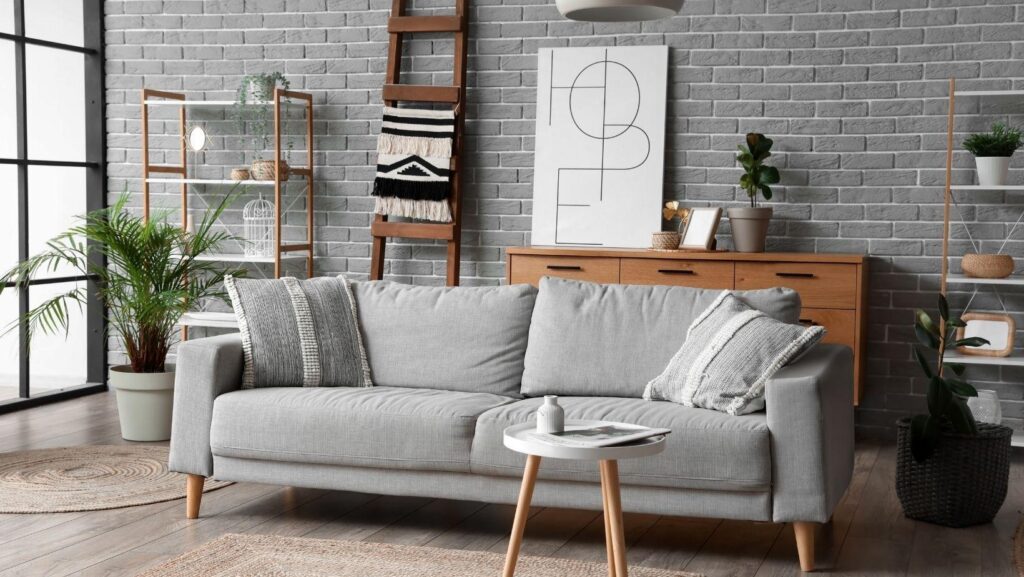
A room does not always feel incomplete because it lacks more furniture. In many cases, it feels unsettled because the eye has nowhere clear to land. To anchor a space without adding bulk, you need to shape visual weight through placement, proportion, and surface detail. That approach is especially useful in high-end interiors where restraint matters as much as impact.
Use Wall-Mounted Pieces As The Visual Base
One of the simplest ways to anchor a room is to give the walls more responsibility. Large-scale art, grouped frames, or a statement mirror can create a strong visual base that makes the room feel resolved without taking up floor space. This works because the eye reads those elements as fixed reference points, helping define where the room begins and what it centres around.
That is why many designers rely on properly placed wall features rather than adding another console or occasional chair. Working with Sydney's picture hanging professionals can help when the goal is to establish clean sightlines, balanced spacing, and secure placement, especially when the piece needs to do more than decorate.
Create A Strong Focal Point
A room without a focal point often feels loose, even when every item in it is expensive or well-made. Anchoring the space starts with identifying what should hold attention first. That could be one oversized artwork above a fireplace, a mirror positioned to reflect light and architecture, or a sculptural wall piece that gives the room a visual centre.
In Sydney interiors, this matters even more where open-plan layouts, strong natural light, and cleaner architectural lines can make a room feel exposed if there is no obvious point of focus. A single dominant feature gives the rest of the scheme something to organise around, which makes the overall composition feel calmer and more intentional.
Work With Scale Instead Of Quantity
Adding more objects rarely solves a room that feels unanchored. In fact, it can make it feel busier and less settled. A better solution is often to increase the scale of one or two existing elements. One large artwork can do more to stabilise a room than several smaller accessories spread thinly across the space.
Scale also affects how architecture is perceived. A piece that is too small for a long wall or tall ceiling can make the whole room feel underdressed. Choosing wall-mounted elements that match the room’s proportions creates stronger spatial balance, which helps the interior feel complete without adding unnecessary mass, especially in Sydney properties with generous ceiling height or wider living zones.
Balance Visual Weight Across The Room
Anchoring is not only about what stands out. It is also about how visual weight is distributed. A room can feel off balance when one side carries too much emphasis through dark tones, oversized decor, or concentrated detail, while the other side feels bare. Correcting that imbalance does not always require more furniture. Often, it is a matter of adjusting what sits on the walls and where.
This is where visual hierarchy becomes useful. A substantial piece on one wall may need a smaller grouped arrangement opposite it, or a mirror may need to offset a heavy architectural feature elsewhere in the room. When weight feels evenly considered, the room feels grounded, even with a relatively minimal layout, which suits many Sydney homes aiming for a refined but uncluttered look.
Use Alignment To Reinforce Order
Even beautiful pieces can fail to anchor a room if they are hung without regard for alignment. Placement affects how deliberate a space feels. Art that is too high, mirrors that float awkwardly above furniture, or groupings with inconsistent spacing can weaken the room’s structure instead of strengthening it.
Good alignment reinforces the room’s natural lines. It can follow the height of door frames, echo the width of a bed or sofa, or sit in relation to ceiling height and negative wall space. These decisions create subtle order, and that sense of order is often what makes a room feel anchored in the first place, whether the setting is a compact Sydney apartment or a larger family home.
Let Restraint Do The Heavy Lifting
Anchoring a room without adding furniture is really about making existing space work harder. Strong wall-mounted pieces, clear focal points, balanced visual weight, and disciplined placement can all give a room presence without crowding it. In refined Sydney interiors, that restraint often produces a result that feels more confident, more architectural, and far more resolved than simply adding another object to the floor.
About The Author

 In-Depth Analysis: Rustic Lunar Lander Armchair 2026 – Cozy, Space-Inspired Seating from RapidHomDirect
  Designing the Ultimate Digital Entertainment Den in 2026
 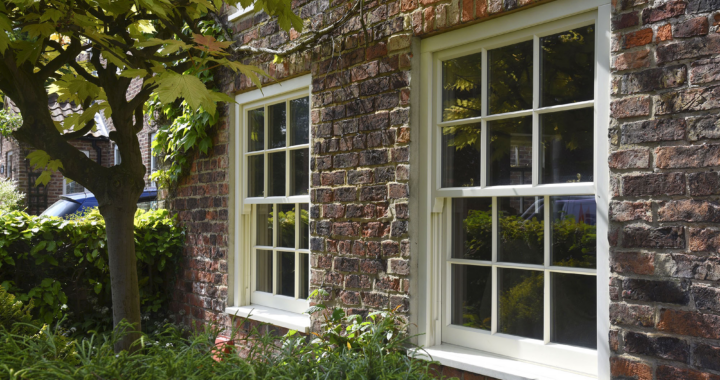 The Customer’s Guide to Wooden Sash Windows: What Every Homeowner Should
Know
The Customer’s Guide to Wooden Sash Windows: What Every Homeowner Should
Know