
What Skills Are Needed for Safe DIY Electrical Work
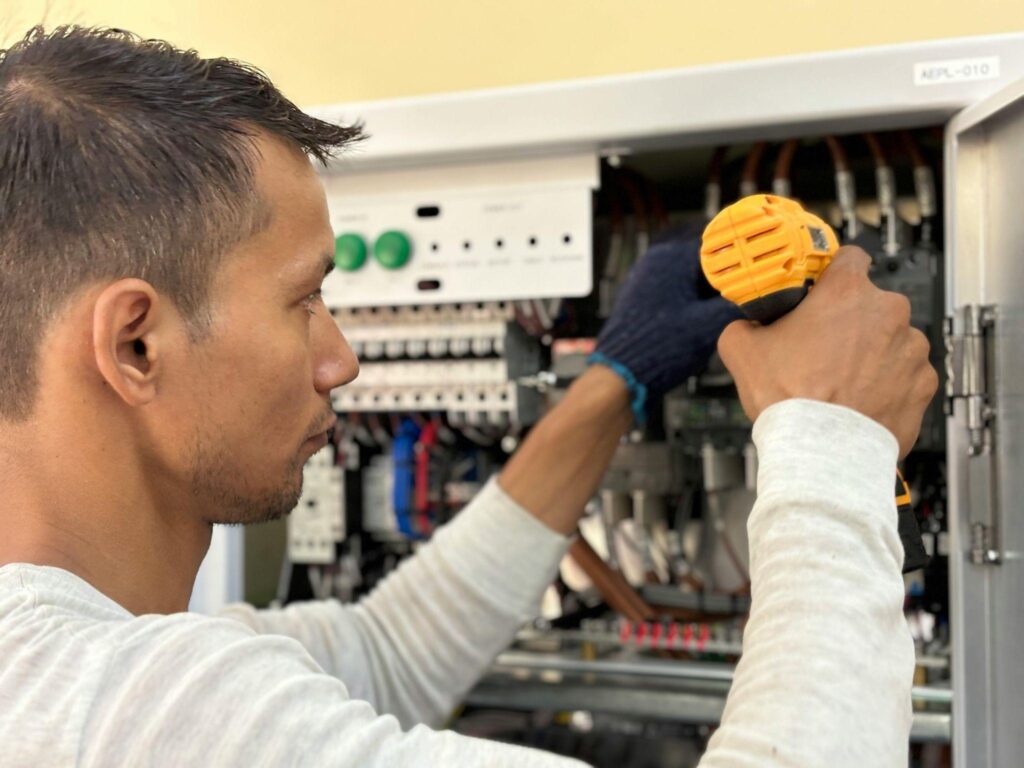
DIY electrical work sits in a weird spot. Some jobs are straightforward. Others are not—even if they look simple at first.
The difference usually comes down to what you understand before you touch anything.
You don’t need to be a licensed electrician to change a fixture or swap an outlet. But you do need a baseline. A few core skills that keep things predictable—and safe.
Understanding Circuit Capacity and Load
This is where a lot of people get tripped up.
Every circuit has a limit. If you overload it, breakers trip. Or worse, wires heat up behind the walls where you can’t see it.
You should know how to estimate load:
- What’s already on the circuit
- What you’re adding
- Whether it pushes things too far
It’s not complicated math, but it matters. Guessing here isn’t a great idea and is why many people interested in electrical work go to trade school.
They may enroll through RSI trade school programs as a way to build real, hands-on skills and understand how systems work as a whole—not just piece by piece. It helps tremendously when focusing on DIY electrical work.
Mapping Your Breaker Panel
Labels on breaker panels are… often wrong. Or vague. Or half-finished.
Before doing any type of electrical repairs, take time to map things out yourself. Flip a breaker, see what shuts off. Write it down clearly.
It saves time later. More importantly, it prevents you from working on something that’s still live when you think it isn’t. That’s one of the most common mistakes people make.
Using a Meter and Trusting It
A voltage tester or multimeter is basic, but it’s essential. You don’t assume power is off. You check.
And you check more than once.
Knowing how to read a meter—what numbers mean, what zero actually looks like—makes a big difference. It turns guesswork into something you can confirm.
Recognizing GFCI and AFCI Protection
These come up a lot in modern homes.
GFCI (Ground Fault Circuit Interrupter) outlets are usually in kitchens, bathrooms, garages—places with moisture. They shut off power if something’s off.
AFCI (Arc Fault Circuit Interrupter) breakers are designed to catch wiring issues that could lead to fires.
You don’t need to memorize code, but you should recognize where these protections belong and how they function. If something keeps tripping, there’s a reason.
Basic Code Awareness
You don’t need to read the entire electrical code book. But you should understand the basics.
Things like:
- Proper wire sizing
- Secure connections
- Using the right type of box
These aren’t just “best practices.” They’re safety standards.
If something feels improvised, it probably is.
PPE and Lockout Habits
This is the part people rush.
Turn off the breaker. Test the circuit. Then take it a step further—make sure no one turns it back on while you’re working.
Even something simple like taping the breaker or leaving a note helps.
And basic PPE—gloves, insulated tools, eye protection—goes a long way. You’re not overdoing it. You’re reducing risk.
Knowing When to Stop
This might be the most important skill. Some projects are reasonable for homeowners:
- Replacing outlets or switches
- Installing light fixtures
- Swapping a breaker (if you understand the panel)
Others are better left alone:
- Running new circuits
- Upgrading service panels
- Anything involving major rewiring
There’s a point where the margin for error gets too small.
Building Skills the Right Way
DIY electrical work isn’t about doing everything yourself. It’s about knowing what you can handle, what you can learn, and where the line is.
That judgment develops over time — the more you understand how your home’s systems actually work, the better your instincts get about when to proceed and when to call someone. Start with the straightforward stuff, build from there, and don’t let overconfidence push you past what you’re ready for.
If you found this helpful and want to keep learning, check out the rest of our site for more home improvement topics just like this one.
About The Author

 Epoxy Emerald Cloud Pattern: Fast, Gorgeous Results With Rapidirect (2026 Guide)
  How to Select an Opal-Color BBQ from RapidHomeDirect — 7 Practical Tips for 2026
  MyWirelessCoupons: How To Slash Phone Bills And Save On Devices In 2026