
13 Living Room Color Ideas to Give Your Home a Brand-New Look

In living room design, color is often the element perceived first—and the one most capable of transforming a space’s character. Compared to complex structural renovations or furniture replacements, paint color offers a lower-cost, highly flexible means of directly shaping a space’s mood and stylistic direction. Whether the aim is a warm, gentle domestic atmosphere, a cool and restrained modern aesthetic, or an artistic expression rich in depth and personality, the choice of color invariably and subtly influences the living experience.
To ensure you have a better living experience, here are a few tips on choosing living room paint color.
1.Choose colors based on room orientation
You can simply divide living rooms into three lighting conditions: low light, balanced light, and strong light. Low-light spaces work best with warm light tones like cream and off-white to brighten the room; balanced spaces suit neutral colors like beige and soft gray; bright spaces are better with cool, muted tones like mist blue or soft gray-green to reduce glare. The key idea is to use color to balance light, not be limited by it.
2.Start with a dominant color, then build around it
A practical approach is the “60-30-10 rule”: 60% dominant color (main walls) sets the overall mood, 30% secondary color adds depth (furniture or curtains), and 10% accent color creates highlights (decor). Always choose the main color first, then build the rest around it to keep the space cohesive and visually clean.
3.Limit the number of colors
Try to keep the living room within 2–3 color systems. You can use different shades of the same color or combine closely related tones. The more colors you add, the easier the space becomes visually chaotic. Fewer colors with layered tones usually feel more refined and balanced.
4.Coordinate with furniture and materials
Colors should always be considered together with materials. Wooden furniture pairs well with warm whites and beige tones, while metal, glass, and marble work better with cool grays and neutral cool colors. A simple rule is: warm materials go with warm or neutral tones, and cool materials go with cool or neutral tones.
We have hand-picked 13 living room paint color ideas from EClife that are sure to help you choose the perfect paint colors.
1. White
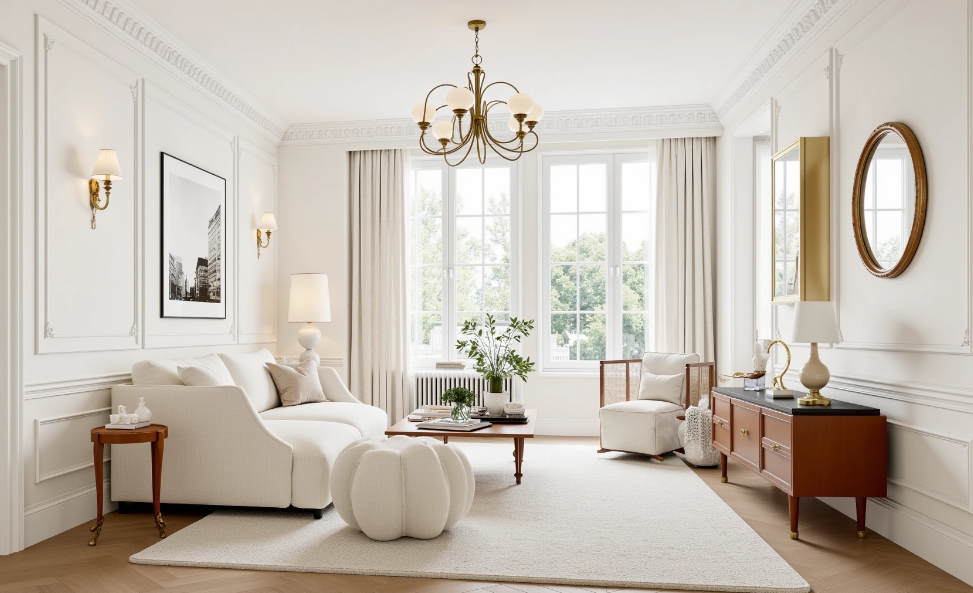
Designer John Smith used white as a base to make this modest-sized living room appear more spacious. “White allows sunlight to become the ultimate space-shaper,” he remarked.
2.Pale pink
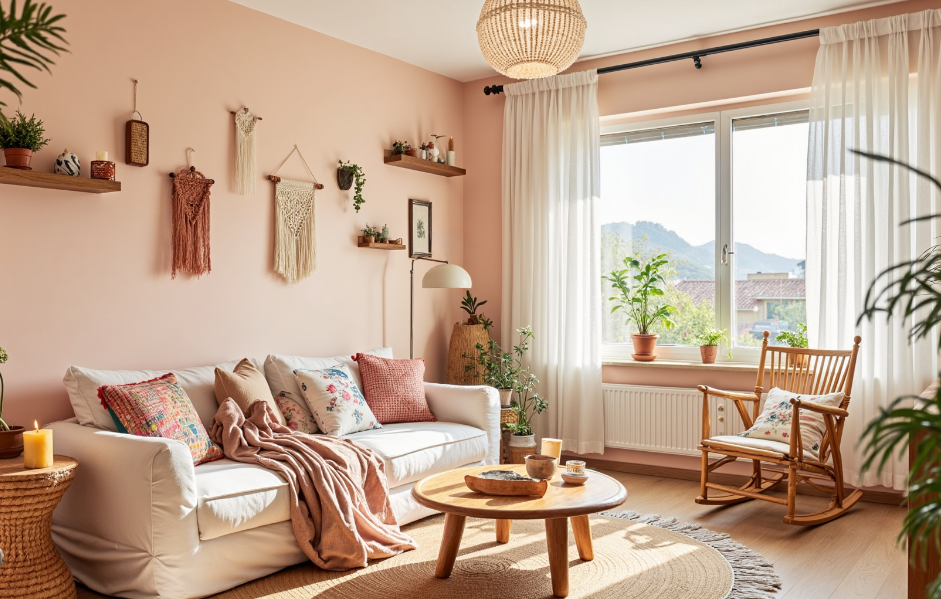
In this apartment, the designer selected a soft pink—reminiscent of a flower bud poised to bloom—and interspersed it with greenery, creating an atmosphere that makes you feel as though you are strolling through a garden.
3.Blue and White
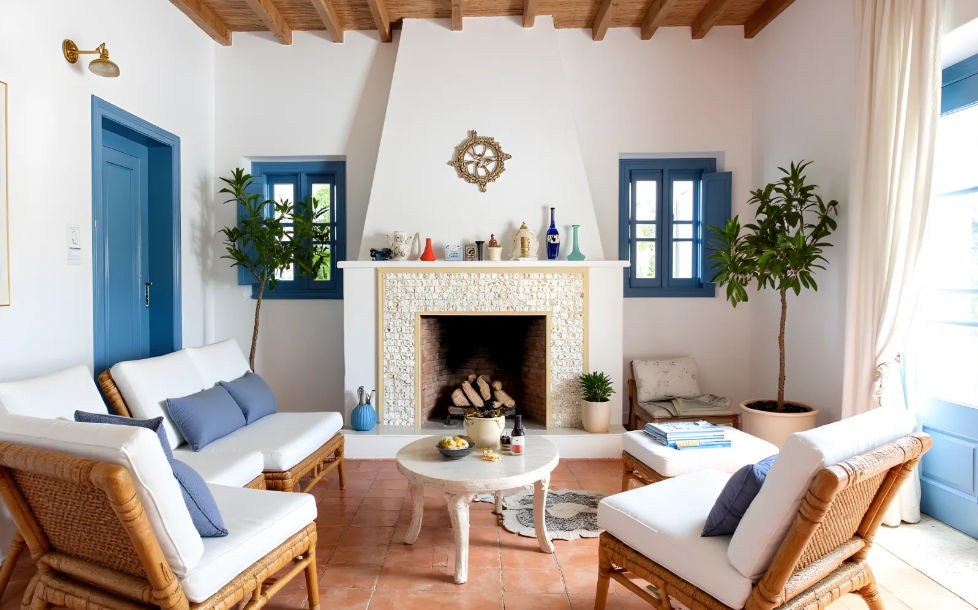
Blue makes white appear even purer, while white lends a refreshing crispness to blue—this is precisely the effect we sought to achieve. Stepping into this living room, one feels as though they can sense the gentle sea breeze drifting in from the Mediterranean.
4.Deep Peacock Green
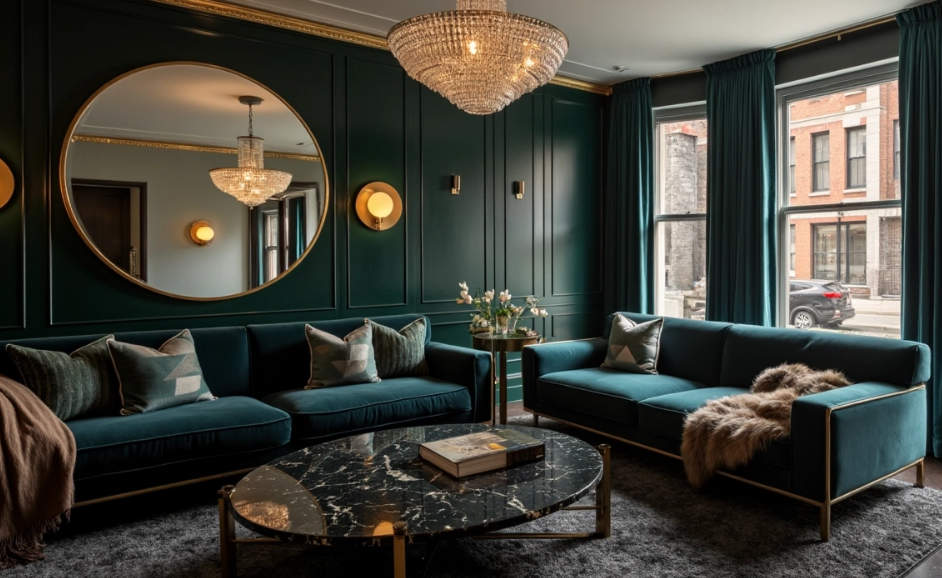
“I wanted to effortlessly create an atmosphere of refined elegance,” the designer remarked. “Peacock green imbues this living room with the dignified bearing of a distinguished elder—you will feel a profound sense of tranquility.”
5.Sage Green
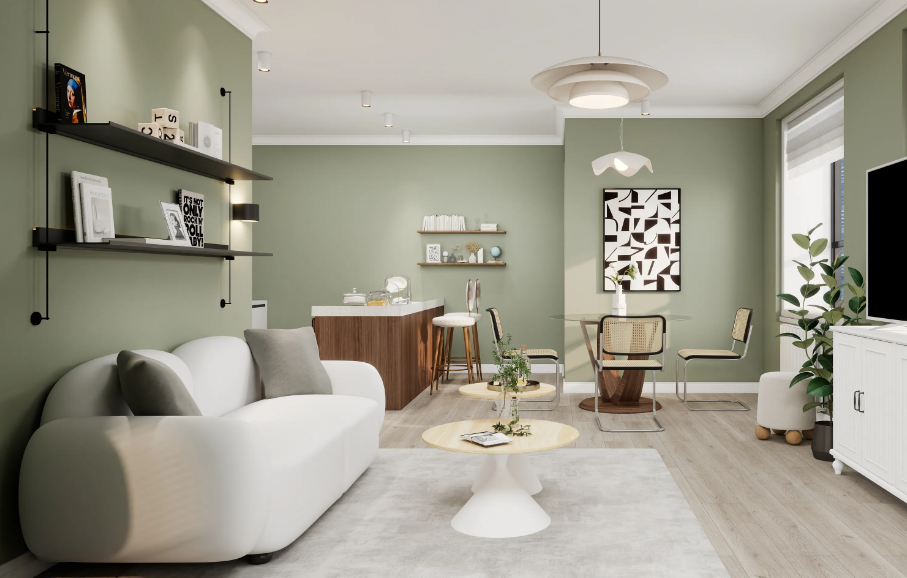
In their design, the designers employed a stylistic touch that brings the space closer to a natural state; the grey-tinged sage green brings a sense of tranquility reminiscent of Monet’s *Water Lilies*.
6.Cream White
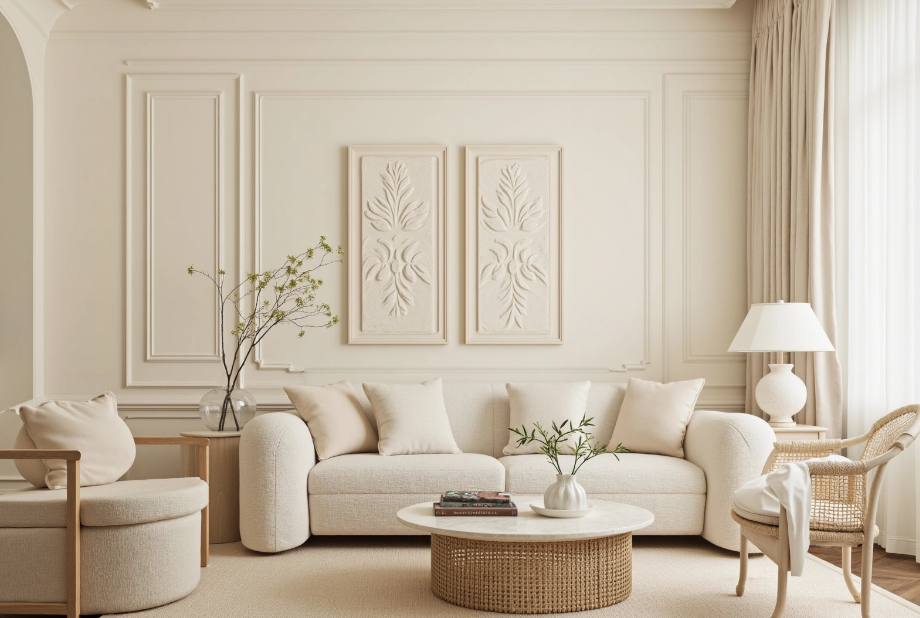
Unlike the cool austerity of pure white, cream white appears silky and cozy. “I wanted the living room to feel soft,” says designer John Smith, “as if the entire space were enveloped in milk.”
7.Teal Blue
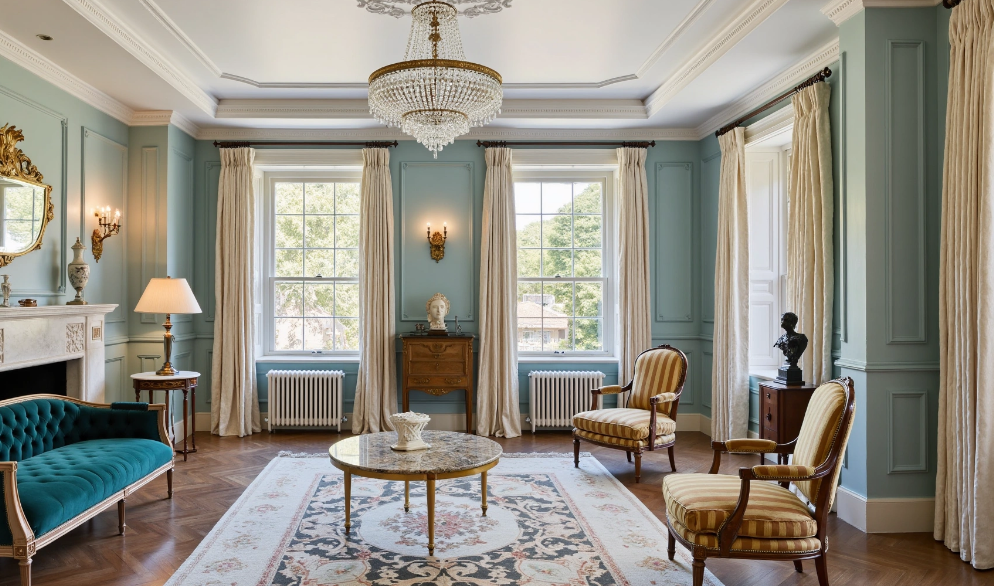
In this historic Parisian residence, the designer selected a shade of teal—a color typically associated with serenity—yet by pairing it with pale gold curtains, the entire room is imbued with the aristocratic romance of a medieval European ball.
8.Forest Green
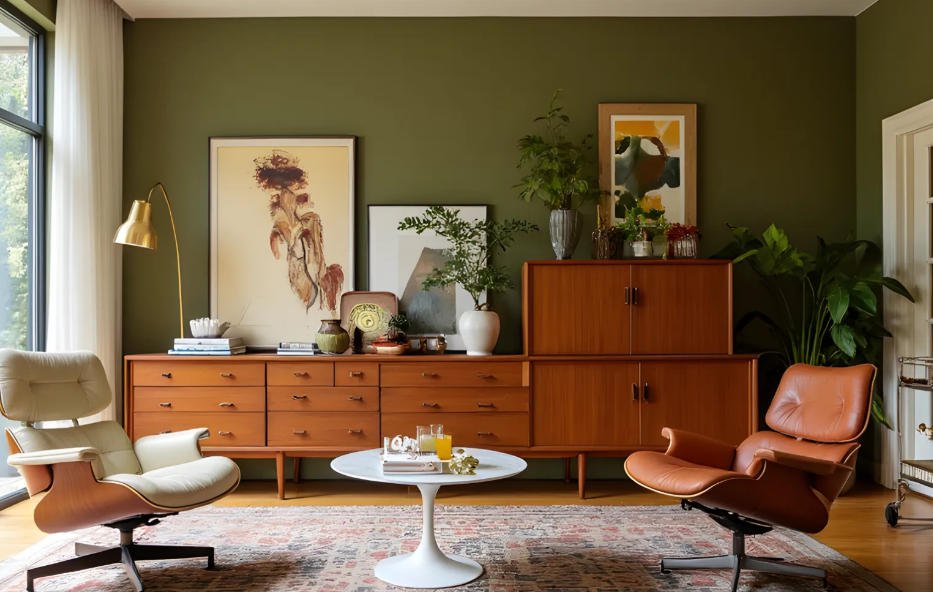
This living room is awash in forest green, paired with lush, freely growing plants; with every breath, the air feels saturated with oxygen. “A living room, much like a person, should be imbued with a powerful vitality,” the designer remarked.
9.Natural Wood Color
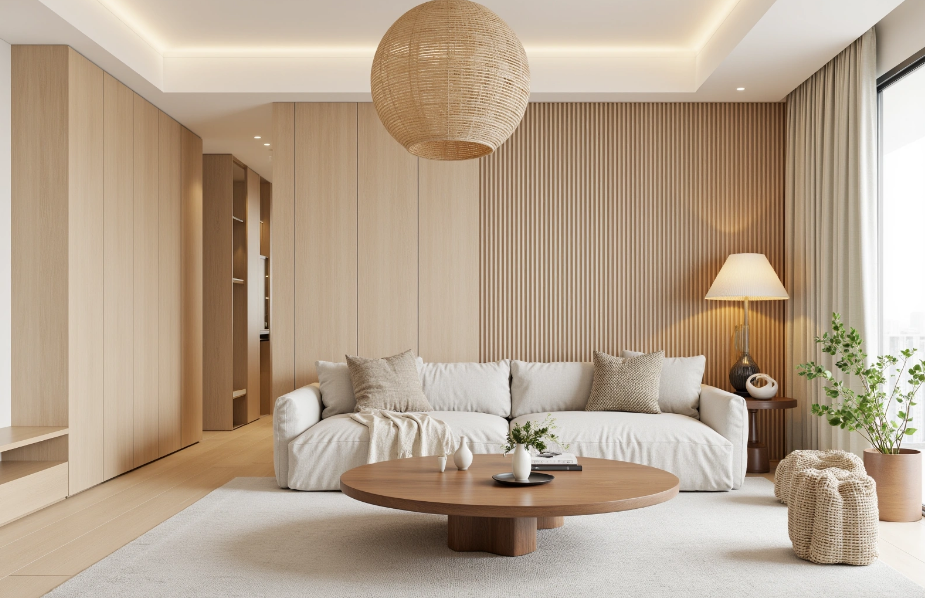
Rather than merely creating a natural atmosphere—where raw timber allows you to feel every inch of its grain—the design team sought a genuine, back-to-basics simplicity. “Ultimately,” they noted, “we found the answer within the wood.”
10.grey
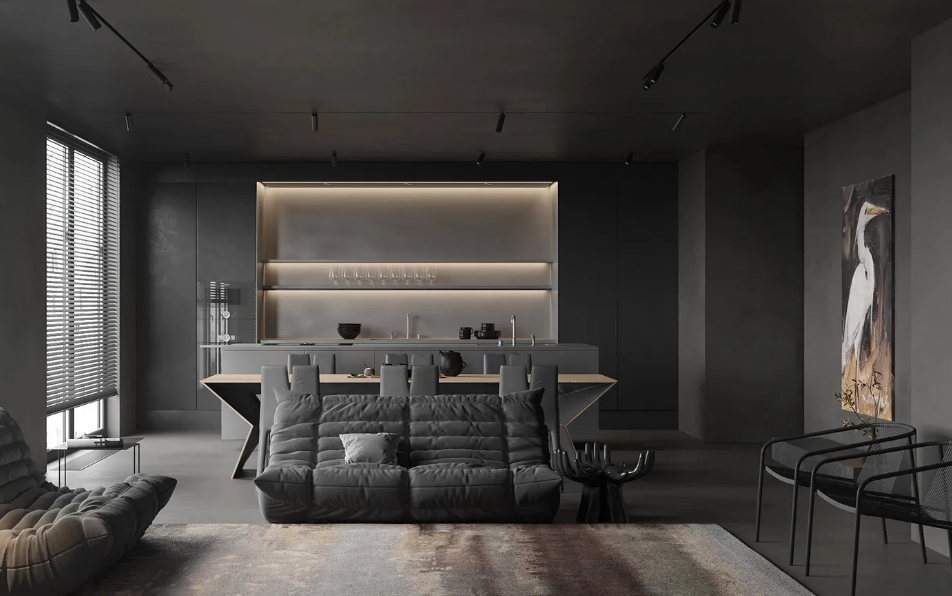
Everywhere, there is an abundance of exquisite gray—a subdued hue that leaves no play of light or shadow with a place to hide. Yet, this setting does not feel oppressive; rather, within this canvas of gray, the interplay of light and shadow paints a distinct sense of warmth.
11.Oatmeal and dark blue-grey
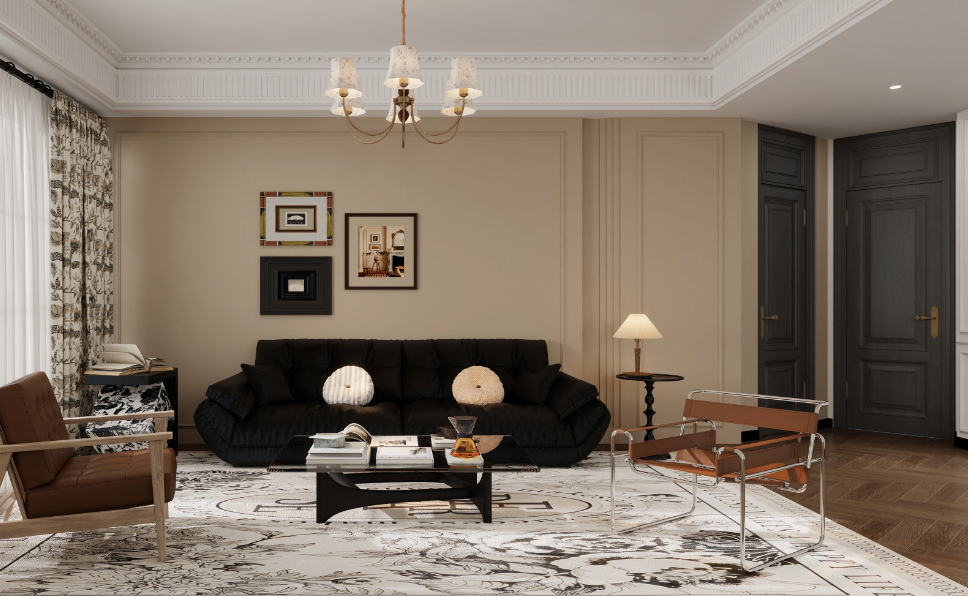
Elegance—this is the sole sensation that envelops you here, a feeling evoked only by the interplay of two low-saturation hues, much like a cup of cappuccino quietly awaiting your arrival.
12.earth color
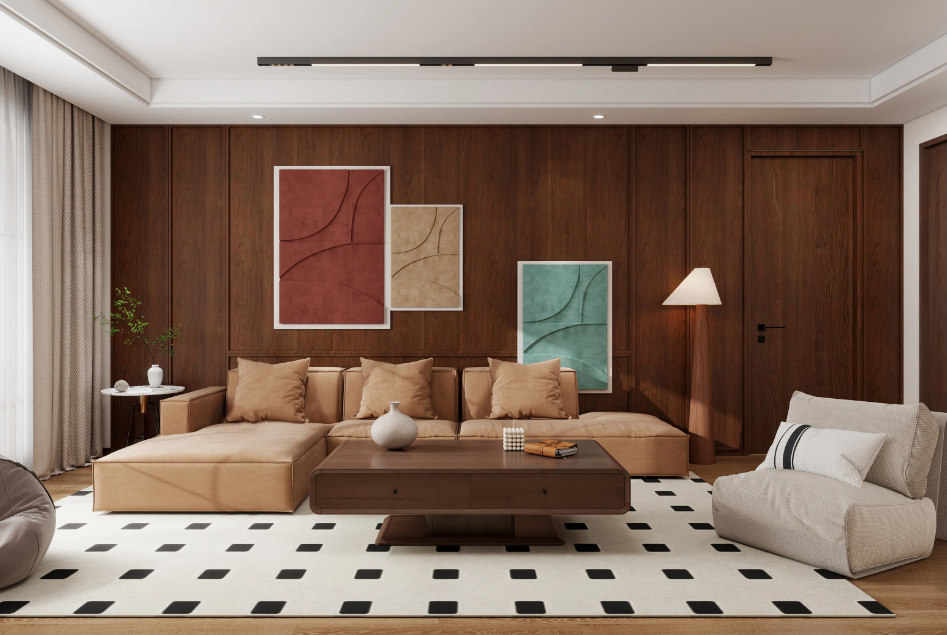
Earth tones possess a natural quality—as if growing directly from the soil—yet they are by no means lacking in grandeur; this is perfectly exemplified by this living room, designed with inspiration drawn from the art of the Dunhuang Grottoes and desert culture.
13.neutral colors
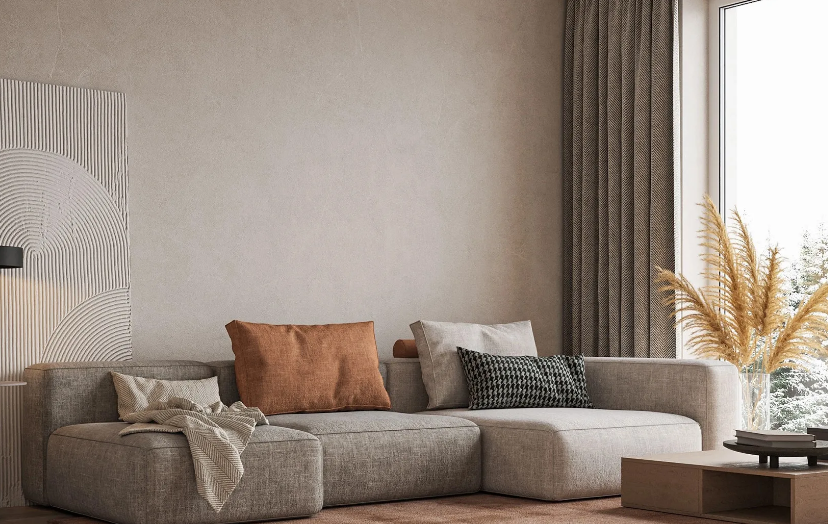
If you are apprehensive about making a mistake when dealing with such large expanses of color, why not try the most classic of choices: neutral tones? Here, they can coexist harmoniously with any style and any material.
Conclusion
The key to living room color schemes lies in simplicity, timeless appeal, and comfort.
EClife offers living room design solutions in a variety of styles, where you can find the perfect living room design.
Light shades—such as ivory and cream—serve as the foundation, keeping the space bright and pristine.
Natural tones—including sage green, natural wood, and earthy hues—infuse the room with warmth and a sense of relaxation.
Deeper shades—such as peacock green and teal—are used sparingly as accents to create focal points and add visual interest.
Grays and other neutral tones act as transitional elements, ensuring overall harmony and cohesion.
The overall design need not be complex; a clean background palette combined with a natural atmosphere and a few select accents is all that is required.
About The Author

 Kenneth Stevenson’s Interior Design Articles
  Your Complete Guide to Building a Healthier Room for Better Sleep
  Make Your Bathroom Pop: Quick, Funky Curtain Ideas To Rescue Boring Spaces