
Signs Your Home May Have Foundation Problems
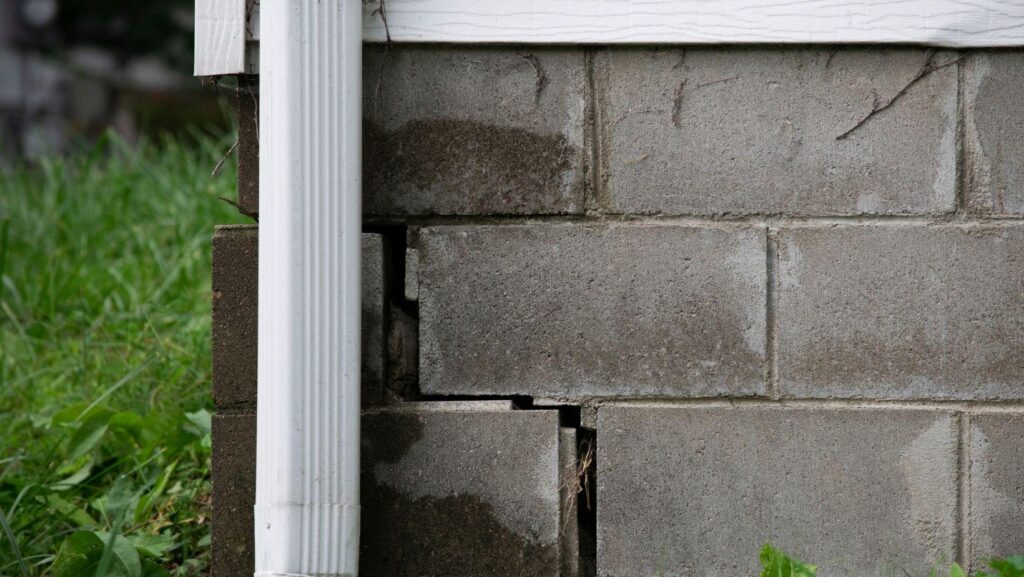
Protecting your foundation is smart because your home is usually your largest financial investment. Problems tend to begin subtly — maybe a thin crack in the wall, a door that starts catching, or a floor with a barely noticeable slope.
Over time, these minor issues can develop into major structural damage and steep repair costs. The DFW region is particularly tough on foundations due to its heavy clay soils and constant wet-dry weather cycles.
When you start seeing early warning signs, it pays to act on them. In the Dallas-Fort Worth metro area, Dura Pier Foundation Repair has earned a strong name for offering real, permanent repairs rather than just temporary solutions. Let’s go over the most common signs of foundation failure to look out for.
1. Exterior Cracks: More Than Just Cosmetic
Take a walk around the outside of your house and check the visible foundation — whether it’s a concrete slab or a pier-and-beam setup.
Hairline cracks thinner than 1/8 inch are usually just normal settling. But larger cracks, especially stair-step ones in brick or horizontal ones in poured concrete, are worth serious attention.
Focus especially on cracks that:
- Are wider at one end than the other (a classic sign that one side is settling faster).
- Keep growing over time (mark them and recheck after a few weeks).
- Come with bulging or bowing walls.
Also, inspect the brick mortar. If a crack runs straight through the bricks themselves (not just the mortar), that’s a sign of major stress. Gaps between the garage door frame and driveway, or between window trim and brick, often mean the foundation has shifted.
2. Interior Drywall and Ceiling Issues
Inside your home, one of the clearest signs of trouble is cracking in the drywall. But not every crack points to a serious problem.
Diagonal cracks that start from the corners of doors or windows are a pretty classic red flag for foundation movement. When the foundation shifts unevenly, it puts stress on the walls, causing the stiff drywall to twist and break along weak spots.
You might also spot a few other clues:
- Gaps where walls meet the ceiling – If you see space opening up near the crown molding, it often means the structure is pulling away.
- Nail pops – Those little bumps or circles where fasteners push through the paint aren’t always just bad installation. They frequently happen when the framing moves with the foundation.
- Cracks above door frames – Especially on load-bearing interior walls. And if a doorway no longer looks perfectly square, that’s another strong hint the foundation below isn’t level.
Keep in mind that these differ from normal seasonal changes, which usually create thin, straight cracks that come and go. Foundation-related ones tend to be wider than 1/8 inch, run vertically or diagonally, and often come back even after you patch them.
3. Sticking Doors and Windows That Won’t Latch
Doors that suddenly start sticking or failing to close properly are a major red flag for foundation trouble. What was once a perfectly square frame can twist into a parallelogram when one side of the house sinks.
You might notice a door that used to glide shut now needs real effort, or it swings open without any help at all.
Try this simple check: Let go and open a door halfway. The floor is no longer level if it slams or swings widely on its own. Windows have a similar narrative. Casement windows with mismatched locks or double-hung windows that are suddenly difficult to raise typically indicate a shifting rough opening.
The foundation, not the window or door itself, is almost often the true offender.
4. Sloping or Uneven Floors
Level floors start with a level foundation. A simple test is to place a marble or ball on the floor — if it rolls off to one side, your slab has settled unevenly.
You’ll often notice other clues as well:
- Creaking or bouncy spots when you walk across certain areas.
- Gaps appearing between the baseboards and the floor.
- Cracking tiles or hardwood planks that are starting to separate.
Tile is especially good at revealing problems. A straight line of cracked tiles across the room usually lines up with a crack in the concrete slab underneath. Softer flooring like linoleum or vinyl might hide the damage better, but you’ll feel a spongy or uneven surface underfoot when the support below isn’t consistent.
5. Gaps Around Windows, Doors, and Cabinets
Pay attention to the trim around your doors and windows. Notice any new gaps? Can you see light coming through where it shouldn’t? Try sliding a piece of paper in there—if it fits easily and it didn’t six months ago, something’s moving.
That movement usually comes from the foundation. As it shifts, it tugs the framing out of alignment.
You’ll also want to check your kitchen cabinets. Are they starting to separate from the wall? A growing gap above the backsplash or along the base cabinets often means the foundation has dropped on that side of the house.
Bathroom vanities and fireplace mantels can show the same issue. These gaps aren’t just unsightly. They tell you the structure is no longer stable and level.
Conclusion
A common mistake is thinking small foundation issues will fix themselves. They won’t — especially in North Texas.
The local clay soil expands and contracts with every rain and dry spell, slowly worsening any weakness. A minor problem today can become a very expensive fix down the road.
If you’re seeing multiple signs (particularly ones that have developed or worsened recently), call a reputable foundation company for a free inspection. Make sure they use proper deep steel piers instead of temporary solutions like mudjacking.
Even subtle changes, like a new crack or a floor that just feels “off,” are worth checking. Acting early can save you a lot of trouble later.
About The Author

 Upgrade Your Home with Australia’s Finest Security Doors
  The 2026 DIY Home Energy Audit That Actually Lowers Your Bills
  Emergency Electrical Services from Certified Electricians in Abbotsford BC