
Common Air Conditioning Problems in Humid Maryland Homes
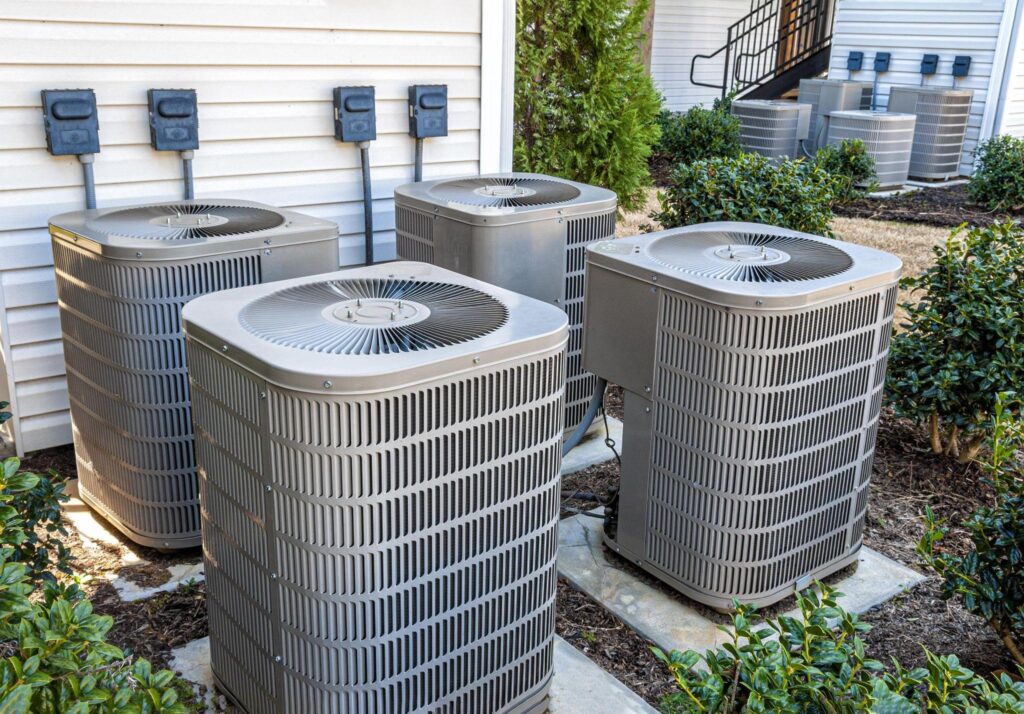
Maryland summers are known for more than just heat. The high humidity can make indoor spaces feel sticky, uncomfortable, and warmer than the thermostat reading suggests. For homeowners, this means the air conditioning system has to do more than cool the air; it also has to remove excess moisture from the home.
When humidity puts extra strain on your cooling system, small issues can quickly become bigger problems that require AC repair. Understanding the most common air conditioning problems in humid Maryland homes can help you spot warning signs early, protect your equipment, and keep your home comfortable throughout the summer.
1. Poor Humidity Control
One of the most common complaints in Maryland homes is that the AC is running, but the house still feels damp or sticky. This usually happens when the system is not removing enough moisture from the air.
Your air conditioner naturally dehumidifies as it cools, but it must run long enough to pull moisture from indoor air. If the system is oversized, short cycling, low on refrigerant, or poorly maintained, it may cool the home too quickly without removing enough humidity.
Signs of poor humidity control include:
● A clammy feeling indoors
● Musty odors
● Condensation on windows
● Mold or mildew growth
● Rooms that feel warmer than the thermostat setting
If your home feels humid even when the AC is running, the system may need maintenance, repair, or additional humidity control solutions.
2. Frozen Evaporator Coils
Frozen evaporator coils are another common AC problem in humid climates. The evaporator coil is responsible for absorbing heat from indoor air. When airflow is restricted or refrigerant levels are low, the coil can become too cold and freeze.
Humidity makes this problem worse because moisture in the air collects on the coil. If the coil temperature drops too low, that moisture turns into ice.
Common causes of frozen coils include:
● Dirty air filters
● Blocked vents
● Low refrigerant
● Dirty evaporator coils
● Blower motor problems
A frozen coil can reduce cooling, cause warm air from the vents, and eventually shut the system down. If you see ice on your AC system, turn it off and call a professional.
3. Clogged Condensate Drain Lines
Air conditioners remove moisture from the air, and that moisture exits through the condensate drain line. In humid Maryland homes, the AC pulls a lot of water from indoor air, which means the drain line works hard all summer.
Over time, algae, dirt, dust, and debris can clog the drain. When this happens, water may back up into the system or leak around the indoor unit.
Warning signs include:
● Water pooling near the AC unit
● Musty smells
● Higher indoor humidity
● System shutdowns
● Water stains near walls or ceilings
A clogged drain line may seem minor, but it can lead to water damage and mold growth if ignored.
4. Dirty Air Filters
Dirty air filters are one of the simplest but most harmful AC problems. When filters become clogged, airflow is restricted. This forces the system to work harder and can lead to overheating, frozen coils, weak airflow, and higher energy bills.
In humid areas, dirty filters can also affect indoor air quality. Dust, pollen, pet dander, and moisture can create an uncomfortable indoor environment.
Homeowners should check filters monthly during summer. Depending on the filter type, household size, pets, and allergy concerns, replacement may be needed every 30 to 90 days.
5. Weak Airflow
Weak airflow is a sign that your AC system is struggling. In humid weather, poor airflow can make rooms feel stuffy and unevenly cooled.
Possible causes include:
● Dirty filters
● Blocked vents
● Leaky ducts
● Dirty coils
● Blower motor issues
● Ductwork restrictions
Weak airflow also prevents proper moisture removal. If air does not move across the evaporator coil correctly, the system cannot dehumidify your home effectively.
6. Refrigerant Leaks
Refrigerant is essential for cooling. If your system has a refrigerant leak, it cannot absorb and transfer heat properly. In humid Maryland homes, low refrigerant can also reduce moisture removal and cause evaporator coils to freeze.
Signs of a refrigerant issue include:
● Warm air from vents
● Hissing or bubbling sounds
● Ice on refrigerant lines
● Long cooling cycles
● Higher energy bills
● Poor humidity control
Refrigerant should never need regular “topping off.” If levels are low, there is likely a leak that needs professional repair.
7. Short Cycling
Short cycling happens when your AC turns on and off too frequently. This can be caused by an oversized system, thermostat problems, electrical issues, dirty filters, or low refrigerant.
In humid homes, short cycling is especially problematic because the system does not run long enough to remove moisture. The temperature may drop, but the air still feels damp and uncomfortable.
Short cycling also increases wear and tear on the compressor, one of the most expensive parts of the system.
8. Mold and Mildew Growth
Humidity creates the perfect environment for mold and mildew. If your AC system has poor drainage, dirty coils, clogged filters, or excess moisture in the ductwork, mold can begin to grow.
Signs may include:
● Musty odors when the AC runs
● Allergy-like symptoms indoors
● Visible mold near vents
● Increased dust or irritation
● Persistent dampness
Mold inside an HVAC system should be addressed quickly. Improving airflow, cleaning components, fixing drainage issues, and controlling humidity can help prevent it from returning.
9. Dirty Evaporator and Condenser Coils
Your AC has indoor and outdoor coils that help transfer heat. When these coils become dirty, the system loses efficiency.
The evaporator coil can collect dust and moisture, while the outdoor condenser coil can become clogged with grass, leaves, pollen, and dirt. In humid weather, dirty coils make it harder for the system to cool and dehumidify the home.
This can lead to:
● Longer run times
● Higher utility bills
● Poor cooling
● Frozen coils
● System overheating
Professional maintenance includes coil inspection and cleaning when needed.
10. Thermostat Problems
Sometimes the AC system is not the only problem. A faulty or poorly placed thermostat can cause comfort issues. If the thermostat is near sunlight, lamps, electronics, or drafts, it may read the temperature incorrectly.
This can cause the system to run too much, not enough, or cycle unevenly.
A programmable or smart thermostat can help maintain consistent comfort, but it must be installed and configured correctly.
11. Leaky Ductwork
Leaky ducts are common in many homes and can waste cooled air before it reaches living spaces. In humid Maryland weather, duct leaks can also pull warm, moist air from attics, crawl spaces, or wall cavities into the system.
This makes the AC work harder and can increase indoor humidity.
Signs of duct problems include:
● Uneven room temperatures
● High energy bills
● Dusty indoor air
● Weak airflow
● Rooms that never feel comfortable
Sealing and insulating ductwork can improve comfort and reduce strain on the AC system.
12. Electrical Issues
Air conditioners rely on electrical components such as capacitors, contactors, wiring, relays, and motors. Summer heat and humidity can stress these parts.
Electrical problems may cause:
● The AC not to start
● Frequent breaker trips
● Buzzing sounds
● Intermittent cooling
● Outdoor unit failure
Electrical issues should always be handled by a trained technician. Attempting DIY repairs can be dangerous.
13. Compressor Problems
The compressor is the heart of the air conditioning system. It moves refrigerant through the system and allows heat transfer to happen. When the compressor fails, the AC may stop cooling completely.
Compressor problems can result from:
● Low refrigerant
● Dirty coils
● Electrical failures
● Overheating
● Lack of maintenance
● Excessive system strain
Because compressor repairs can be costly, prevention is important. Regular maintenance can help protect this critical component.
How Homeowners Can Prevent AC Problems
The best way to avoid major air conditioning issues is to stay proactive. Maryland humidity can be tough on cooling systems, but routine care helps reduce breakdowns.
Helpful steps include:
● Replace air filters regularly
● Schedule annual AC maintenance
● Keep outdoor units clear of debris
● Keep vents open and unblocked
● Watch for water leaks
● Pay attention to strange sounds or odors
● Use a smart thermostat wisely
● Address humidity problems early
Small maintenance habits can make a big difference in system performance and lifespan.
When to Call a Professional
Some issues can be handled by homeowners, such as changing filters or clearing debris around the outdoor unit. However, professional service is needed for refrigerant leaks, electrical problems, frozen coils, clogged drain lines, compressor issues, and persistent humidity problems.
Calling early can prevent expensive repairs and help your system run more efficiently during the hottest months.
Final Thoughts
Humid Maryland summers can place heavy demands on your air conditioning system. Problems like poor humidity control, frozen coils, clogged drain lines, weak airflow, refrigerant leaks, and mold growth are common when moisture levels are high.
By recognizing these warning signs early and keeping up with regular maintenance, homeowners can protect their comfort, reduce repair costs, and avoid unexpected breakdowns. A well-maintained AC system does more than cool your home—it helps manage humidity, improve indoor air quality, and keep your living space comfortable all summer long.
About The Author

 How to Plan Whole-House Cabinetry for a Renovation or New Build
  Reasons Why My AC Might Be Blowing Warm Air
  Window Replacement in Calgary: Cost Guide & Energy-Efficient Options for Alberta
Winters
Window Replacement in Calgary: Cost Guide & Energy-Efficient Options for Alberta
Winters