
Old Boiler vs New High-Efficiency Boiler: What You Save in Energy Costs
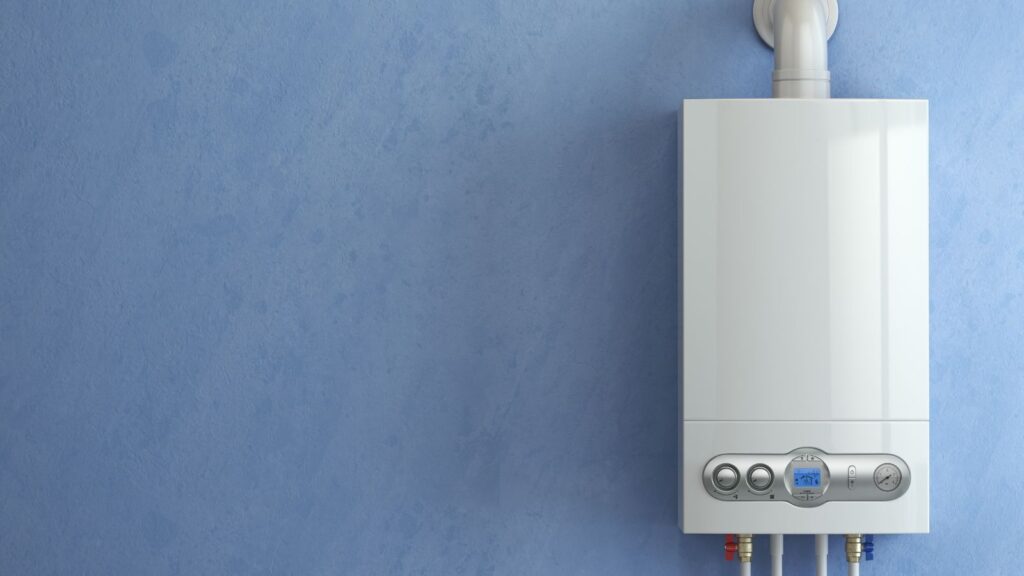
Heating systems play a major role in household energy consumption, especially in colder climates where boilers run for long hours during winter. Many homeowners continue using older boilers without realizing how much money they lose in unnecessary energy waste. Over time, outdated systems become inefficient, expensive to maintain, and unreliable compared to modern high-efficiency alternatives.
For homeowners evaluating whether to upgrade, working with a trusted local provider like Town Oil Company can help you compare fuel usage, heating performance, and long-term savings between older and newer boiler systems. A professional assessment often reveals that switching to a high-efficiency boiler results in significant reductions in energy bills, improved comfort, and better system reliability.
In this article, we’ll break down the differences between old boilers and new high-efficiency boilers and explain exactly how much you can save in energy costs over time.
Understanding How Boilers Use Energy
To understand the savings potential, it helps to first understand how boilers consume energy. Boilers convert fuel, usually oil or gas into heat, which is then distributed throughout the home. However, not all of the energy from the fuel is converted into usable heat.
The efficiency of a boiler is measured by how much fuel is converted into heat versus how much is wasted through exhaust gases, heat loss, and system inefficiencies.
- Old boilers: Typically operate at 60%–75% efficiency
- Modern high-efficiency boilers: Often operate at 90%–98% efficiency
This difference means that for every dollar spent on heating fuel, older boilers waste a significant portion compared to modern systems.
Efficiency Comparison: Old vs New Boilers
Old Boilers
Older boiler systems, especially those installed more than 15–20 years ago, use outdated combustion and heat exchange technology.
Common characteristics include:
- Constant pilot light consuming energy
- Poor insulation around heat exchangers
- Heat loss through exhaust gases
- Limited or no modulation of burner output
These inefficiencies lead to higher fuel consumption and inconsistent heating performance.
New High-Efficiency Boilers
Modern boilers are designed to extract as much usable heat as possible from every unit of fuel.
Key features include:
- Condensing technology that recycles heat from exhaust gases
- Sealed combustion systems that reduce energy loss
- Electronic ignition instead of pilot lights
- Modulating burners that adjust output based on demand
These improvements significantly reduce fuel waste and improve overall performance.
How Much Energy Do You Actually Save?
The difference in efficiency translates directly into energy savings. Let’s break it down in simple terms:
If an old boiler operates at 70% efficiency and a new boiler operates at 95% efficiency, that means:
- Old boiler wastes about 30% of fuel energy
- New boiler wastes only about 5%
Real-World Example
If a homeowner spends $3,000 per year on heating oil with an old boiler:
- 30% waste = $900 lost in inefficiency
With a new high-efficiency boiler:
- Only 5% waste = $150 lost
Potential annual savings:
👉 Around $750 per year or more
Over 10 years, that can add up to $7,500 or more in energy savings alone not including repair savings.
Fuel Consumption Differences
Old boilers consume more fuel because they must run longer cycles to achieve the same temperature. This leads to:
- Higher oil or gas usage
- More frequent refueling
- Increased strain on system components
High-efficiency boilers, on the other hand:
- Reach desired temperatures faster
- Maintain heat more consistently
- Require less fuel per heating cycle
This reduced consumption is one of the biggest reasons homeowners see lower monthly bills after upgrading.
Maintenance and Repair Cost Savings
Energy savings are only part of the financial benefit. Maintenance costs also differ significantly between old and new boilers.
Old Boilers
- Frequent breakdowns
- Expensive replacement parts
- Higher technician call-out costs
- Increasing repair frequency with age
New Boilers
- Fewer mechanical issues
- Longer-lasting components
- Manufacturer warranties (often 10+ years)
- Reduced emergency repair needs
Over time, maintenance savings can add hundreds or even thousands of dollars to the overall benefit of upgrading.
Environmental Impact and Fuel Efficiency
High-efficiency boilers are not only cost-effective but also more environmentally friendly. Because they burn fuel more completely and waste less energy, they:
- Reduce carbon emissions
- Lower fuel consumption
- Decrease environmental footprint
Older boilers, by contrast, produce more waste gases and consume more fuel to achieve the same level of heating. This makes upgrading a beneficial choice for both homeowners and the environment.
Comfort Improvements You’ll Notice Immediately
Energy savings are important, but comfort is another major advantage of upgrading. Many homeowners are surprised by how much better their home feels after installing a high-efficiency boiler.
Improvements include:
- More consistent indoor temperatures
- Faster heating response times
- Reduced cold spots in rooms
- Quieter system operation
Old boilers often struggle to maintain consistent heat, leading to uncomfortable temperature fluctuations.
Lifespan Differences Between Old and New Boilers
Another important factor in cost savings is system lifespan.
- Old boilers: Often last 15–20 years but become inefficient long before failure
- High-efficiency boilers: Can last 15–25 years with proper maintenance
While lifespan may appear similar, the key difference is that modern boilers maintain efficiency much longer throughout their life cycle.
Installation Cost vs Long-Term Savings
One of the main reasons homeowners delay upgrading is the upfront installation cost. However, this should be weighed against long-term savings.
Although a new high-efficiency boiler requires an initial investment, the savings from reduced fuel usage, lower repairs, and fewer service calls often offset the cost over time.
For example:
- Upfront cost: Higher initial investment
- Annual savings: Hundreds to over $1,000 depending on usage
- Payback period: Often 5–10 years
After the payback period, homeowners continue saving money each year.
Professional services like Town Oil Company can help evaluate whether your current system is costing you more than it should and guide you toward the most efficient upgrade options.
When Should You Upgrade?
You should consider replacing your boiler if you notice:
- Rising energy bills despite stable usage
- Frequent repairs or breakdowns
- Uneven heating throughout your home
- Boiler age exceeding 15–20 years
- Loud or unusual operating noises
These signs indicate declining efficiency and increasing long-term costs.
Financial Summary of Switching to High-Efficiency Boilers
Here’s a simplified overview of potential savings:
- Fuel savings: 20%–35% annually
- Maintenance savings: Reduced repair costs over time
- Energy waste reduction: Up to 25%–30% improvement
- Long-term savings: $5,000–$10,000+ over a decade (depending on usage and fuel prices)
These figures show why upgrading is often one of the most cost-effective home improvements available.
Conclusion
The difference between an old boiler and a modern high-efficiency boiler is significant especially when it comes to energy consumption and long-term cost savings. Older systems waste a large portion of fuel through inefficiency, while modern boilers are designed to maximize heat output and minimize waste.
For homeowners working with providers like Town Oil Company, upgrading to a high-efficiency boiler often results in lower monthly bills, improved comfort, fewer repairs, and reduced environmental impact.
While the upfront cost of installation may seem high, the long-term savings in energy and maintenance make it a smart financial investment. Over time, a high-efficiency boiler pays for itself and continues delivering savings year after year, making it one of the most valuable upgrades for any home heating system.
About The Author

 10 China Cabinet Manufacturers for Luxury Residential Projects
  How to Test a Sofa When Back Pain or Sciatica Changes the Way You Sit
  12 Home Staging Furniture Companies to Consider