
What Breaks First in Older Duluth Homes (And How to Prevent Costly Repairs)
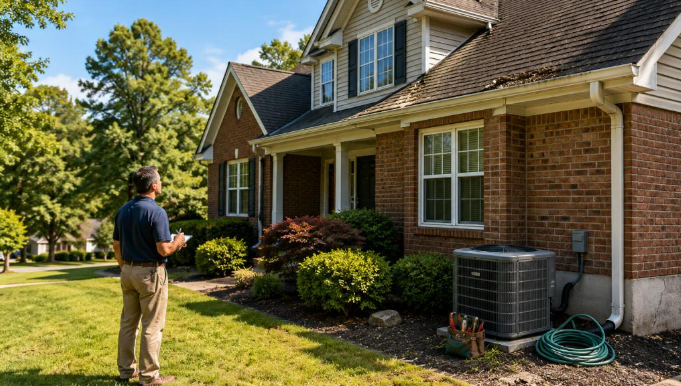
If you own one of the many older Duluth homes built before the early 2000s, you’ve probably noticed that some parts of the house need more attention than they used to. That’s normal. Plumbing, electrical systems, HVAC equipment, roofing, and windows all have a lifespan, and many Duluth homes are reaching the point where those original systems begin to wear out.
Over the years, I’ve found that expensive repairs rarely happen without warning. A small plumbing leak, a breaker that trips occasionally, or an air conditioner that struggles during the hottest weeks of summer often signals a larger problem developing behind the scenes. Recognizing those warning signs early can help you avoid emergency repairs and unexpected expenses.
Key Takeaways
The Most Common Problems in Older Duluth Homes
Aging Plumbing
Plumbing is often one of the first systems to show its age. Homes built before the late 1980s may still have galvanized steel pipes that corrode from the inside, gradually reducing water pressure and increasing the risk of leaks. Water heaters are another common weak point, with most tank-style units lasting about 8 to 12 years.
Watch for:
Even a small leak can quickly turn into expensive water damage if ignored.
Outdated Electrical Systems
Many older Duluth homes were built with electrical panels designed for a different era. Today’s homes power multiple computers, smart devices, large kitchen appliances, and entertainment systems, placing far more demand on aging electrical systems.
Warning signs include:
Electrical problems should always be inspected promptly since they can become serious fire hazards. If your electrical system checks out but an appliance is still malfunctioning, professional appliance repair in Duluth can help determine whether the issue lies with the appliance itself or another home system.
HVAC Systems
Georgia’s long, humid summers put air conditioning systems under constant stress. While some equipment is rated to last up to 20 years, many systems in this area begin showing their age after 12 to 15 years.
Common symptoms include:
Routine maintenance and seasonal inspections can often extend the life of your system while improving efficiency.
Roofing and Gutters
Many homeowners focus on the roof itself, but gutters are often where problems begin. Clogged or damaged gutters allow water to collect near the home’s foundation and roofline, increasing the risk of wood rot, foundation movement, and water intrusion.
Look for:
Cleaning gutters regularly remains one of the easiest ways to protect an older home.
Windows and Exterior Openings
Original windows in older Duluth homes frequently develop failed seals after years of exposure to heat and humidity. Moisture can enter around damaged weatherstripping or window frames, leading to drafts, higher energy bills, and eventually wood rot.
Watch for:
Addressing these issues early is usually much less expensive than repairing water damage later.
Appliances
Homeowners often assume an aging appliance needs replacement, but that’s not always the case. I recently spoke with a homeowner whose dryer suddenly required two cycles to dry clothes. The problem wasn’t the dryer at all. A crushed vent behind the wall was restricting airflow, and a quick repair solved the issue.
Before replacing an appliance, make sure the plumbing, electrical supply, or ventilation isn’t causing the problem.
Before replacing an appliance, make sure the plumbing, electrical supply, or ventilation isn’t causing the problem. If those systems check out and the appliance itself is at fault, scheduling a diagnosis with a trusted local appliance repair company like Appliance EMT can help you determine whether a repair is more cost-effective than a replacement.
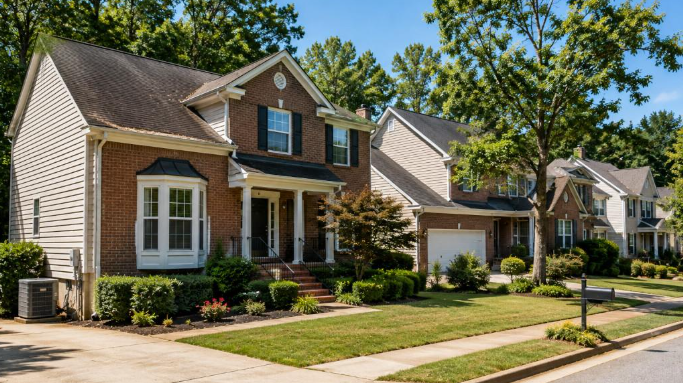
Alt text: Neighborhood of older Duluth, Georgia homes with mature trees, brick-and-siding exteriors, and well-maintained landscaping, illustrating how aging homes in the area require regular maintenance to prevent costly repairs.
Why Older Duluth Homes Need More Maintenance
Many neighborhoods in Duluth experienced rapid growth during the 1980s, 1990s, and early 2000s. That means thousands of homes now have original plumbing, roofing, HVAC systems, and electrical components reaching the end of their expected service life.
Georgia’s humid climate and expansive clay soil also accelerate wear. Heavy summer rains, shifting soil, and long cooling seasons place additional stress on foundations, roofing materials, and mechanical systems.
If you’re planning future upgrades, choosing low-maintenance materials and finishes can reduce upkeep and help your home stand up better to Georgia’s climate. Explore these home features and finishes that scream low-maintenance to see which improvements offer long-term value.
Annual Maintenance Checklist
To keep older Duluth homes in good condition:
Frequently Asked Questions
What are the first systems to fail in older Duluth homes?
The systems most likely to develop problems first are plumbing, electrical, HVAC, roofing, and windows. As these original components age, normal wear and Duluth’s climate can increase the likelihood of repairs.
How often should I inspect an older home?
A basic home inspection should be performed at least once a year. If your home is more than 20 to 25 years old, it’s also a good idea to schedule professional inspections every few years to identify aging systems before they fail.
Why does Georgia’s climate affect older homes?
Hot, humid summers make HVAC systems work harder, while heavy rainfall and expansive clay soil can contribute to moisture problems, foundation movement, and faster deterioration of roofing and exterior materials.
Should I replace my water heater after 10 years?
Not necessarily, but once a tank-style water heater reaches 10 years old, monitor it closely for leaks, rust-colored water, or reduced performance. Regular inspections can help you plan for replacement before it fails unexpectedly.
What electrical warning signs should homeowners never ignore?
Frequent breaker trips, flickering lights, warm outlets, buzzing sounds from the electrical panel, or burning odors should all be evaluated by a licensed electrician as soon as possible.
How can I make my HVAC system last longer?
Schedule professional maintenance each year, replace air filters regularly, keep outdoor units free of debris, and address uneven cooling or rising humidity before they become major problems.
Are clogged gutters really a serious issue?
Yes. Clogged gutters can allow water to overflow near your foundation or roofline, increasing the risk of water damage, wood rot, erosion, and foundation movement. Cleaning gutters at least twice a year can help prevent these issues.
Should I replace an appliance as soon as it starts acting up?
Not always. Longer cycle times, unusual noises, or poor performance may be caused by clogged vents, plumbing issues, or electrical problems rather than the appliance itself. Having the appliance diagnosed first can help you avoid an unnecessary replacement.
Stay Ahead of Costly Home Repairs
Older Duluth homes often follow a predictable maintenance pattern. Plumbing, electrical systems, HVAC equipment, roofing, and windows typically begin showing signs of wear before major failures occur. Paying attention to those early warning signs can help you plan repairs, reduce long-term costs, and extend the life of your home’s most important systems.
In my experience, homeowners who stay proactive spend less over time. A little preventative maintenance each year can help you avoid many of the costly emergencies that catch homeowners by surprise.
About The Author

 Onyx Spa Fastener RapiHomeDirect: The 2026 Buyer’s Guide To Secure, Quick Spa Installations
  How To Download RHDHomeRepairs By RapidHomeDirect (PDF) — Safe, Legal Steps For 2026
  How to Compare Personal Loan Options: A Framework for Home Repair Financing