
How to Compare Personal Loan Options: A Framework for Home Repair Financing
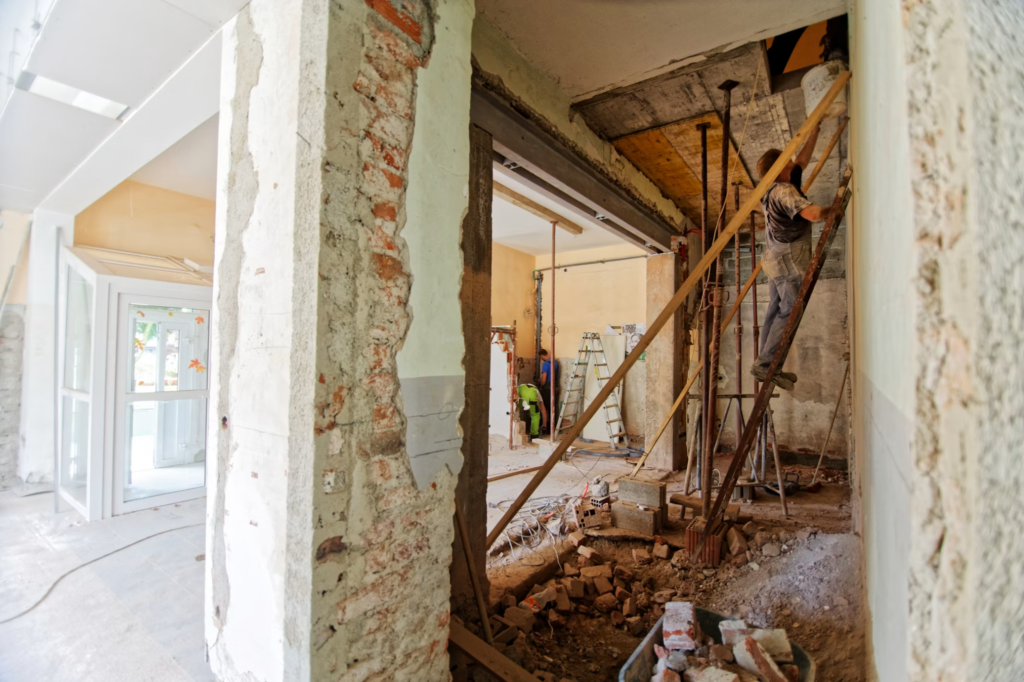
Unexpected home repairs rarely happen at a convenient time. A burst pipe, broken furnace, or leaking roof can quickly turn an ordinary day into an urgent financial challenge, shifting the focus from routine budgeting to finding a practical way to cover unexpected costs.
Personal loans are often considered because they provide access to funds without requiring home equity. Even when repairs are urgent, comparing loan options can help homeowners choose financing that meets immediate needs while supporting long-term financial stability.
Why Home Repairs Can Lead to Rushed Financial Decisions
Urgent home repairs often leave little time for careful financial decisions. When faced with a burst pipe, broken furnace, or electrical issue that cannot safely be delayed, many homeowners focus on getting approved rather than comparing loan options.
Not every repair follows the same timeline. While some emergencies require immediate funding, others give homeowners a day or two to compare loan offers. That extra time can make a meaningful difference when evaluating costs, repayment terms, and lender policies.
Before applying for a personal loan, it is worth checking whether another funding source could cover the expense. Depending on the situation, homeowners insurance, home warranty coverage, contractor financing, or local repair assistance programs may be available.
If those options are unavailable or insufficient, a personal loan may still be appropriate. Rather than assuming every loan offers the same value, homeowners can make more informed borrowing decisions by comparing their options before applying.
Evaluate the True Cost of the Loan
One common mistake borrowers make is focusing only on the advertised interest rate. While important, it does not reflect the true cost of borrowing. The Annual Percentage Rate (APR) provides a clearer picture by including both interest and certain required fees.
Origination fees also deserve close attention because they are often deducted from the loan proceeds. As a result, a homeowner approved for a specific loan amount may receive less than expected, which could leave a funding gap if the repair estimate is fixed.
Looking beyond the monthly payment is equally important. Calculating the total amount repaid over the life of the loan provides a clearer picture of overall borrowing costs, while checking for prepayment penalties can reveal whether the loan offers flexibility if it is paid off early.
Understanding these costs is only part of the comparison process. Readers researching the best personal loans for bad credit can use the same approach to compare loan features, eligibility requirements, and funding options across different providers.
Choose Repayment Terms That Fit Your Budget
Borrowing enough to complete a repair is only part of the decision. The repayment schedule should also fit comfortably within the household budget over the loan’s term. Shorter loan terms usually mean higher monthly payments but lower overall interest costs.
Longer repayment terms reduce monthly payments but often increase the total cost over time. Neither option is automatically better. Fixed-rate personal loans can also make budgeting easier because monthly payments remain consistent throughout the repayment period.
Before accepting a loan offer:
- Calculate monthly take-home income after taxes,
- Subtract essential living expenses and existing monthly debt payments,
- Compare the proposed loan payment with the remaining disposable income,
- Confirm enough financial flexibility remains for future unexpected expenses.
This simple review encourages borrowers to think beyond loan approval and focus on whether the payment remains manageable over time. Unexpected costs can still arise later. Maintaining some budget flexibility can provide peace of mind.
Match Funding Speed to the Repair Timeline
Funding speed often becomes one of the biggest considerations during emergency repairs. Quick access to funds is valuable, but faster funding should still be weighed alongside overall borrowing costs and the loan’s repayment terms.
Different repair timelines call for different borrowing priorities, as shown below.
|
Repair Situation |
Typical Timeline |
Loan Priority |
Why This Approach Works |
|
Burst pipe, electrical issue, or no heating/cooling |
Same day to 48 hours |
Prioritize fast funding and transparent terms |
Acting quickly can prevent further damage, but reviewing fees remains important |
|
Roof leak, failing water heater, or appliance replacement |
A few days to one week |
Compare APR, fees, and repayment terms across multiple offers |
A short comparison period can often reduce overall borrowing costs |
|
Planned repairs or preventative maintenance |
One week or longer |
Focus on total loan cost, affordability, and lender reputation |
Extra time allows greater emphasis on long-term value instead of immediate funding |
The timeline surrounding the repair should influence which loan features deserve the most attention. Speed matters, but it should be considered alongside cost, flexibility, and overall suitability for the homeowner’s financial situation.
Understand Eligibility Before You Apply
Applying for several loans without understanding basic qualification requirements can create unnecessary frustration and multiple unsuccessful applications. Reviewing eligibility before submitting applications helps borrowers narrow their options more efficiently.
Many lenders offer soft-credit prequalification, allowing prospective borrowers to view estimated rates without affecting their credit scores. This approach makes it easier to compare several offers from different lenders before completing a formal application.
Credit history is only one factor lenders consider. Income, employment stability, and debt-to-income ratio also influence eligibility. Comparing suitable lenders can reduce unnecessary applications and improve the chances of receiving a competitive offer.
Understanding these requirements can also help borrowers make more meaningful comparisons. Instead of focusing on promotional offers alone, they can narrow their search to loan options they may realistically qualify for.
Look Beyond the Offer and Evaluate the Lender
Loan terms tell only part of the story. The lender behind those terms also deserves careful consideration. Policies can vary between lenders. Reputation matters alongside loan features.
Transparency is a strong indicator of a reputable lender. Fees, repayment terms, and loan conditions should be clearly explained rather than hidden in complex language. Reliable customer support also becomes important if repayment circumstances change.
Borrowers should confirm that a lender is licensed in their state and review independent feedback through the Consumer Financial Protection Bureau and Better Business Bureau. These sources often provide a more balanced view than marketing materials.
Trustworthy lending involves more than competitive rates. Clear communication, straightforward policies, and reliable customer service all contribute to a better borrowing experience. These factors can make comparing loan offers more meaningful.
Comparing Loan Offers with a Clearer Perspective
Choosing a personal loan for an urgent home repair involves more than finding the fastest approval or lowest advertised rate. A meaningful comparison should consider borrowing costs, repayment affordability, funding speed, eligibility requirements, and lender credibility.
Home repairs may create a sense of urgency, but borrowers can still take time to evaluate their financing options carefully. A consistent evaluation framework can make it easier to compare loan offers and choose financing that addresses immediate repair costs without overlooking longer-term financial considerations.
About The Author

 How to Plan Whole-House Cabinetry for a Renovation or New Build
  Reasons Why My AC Might Be Blowing Warm Air
  Window Replacement in Calgary: Cost Guide & Energy-Efficient Options for Alberta
Winters
Window Replacement in Calgary: Cost Guide & Energy-Efficient Options for Alberta
Winters