
How to Transform Your Yard with the Right Landscaping Materials
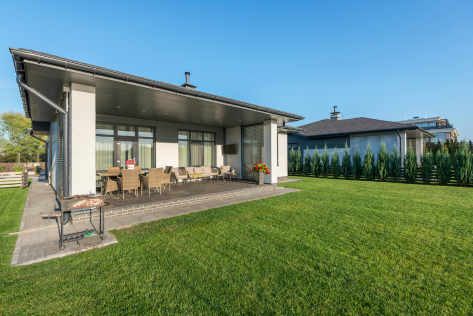
Changing a yard starts with understanding how the correct materials can shape the entire space around you. With a few smart choices made, homeowners can update the look of their property easily, simplify maintenance tasks, and create something that actually feels enjoyable to use regularly.
Below, we discuss how thoughtful landscape planning works for yards, the methods experienced designers rely on daily, and why the right materials often decide how successful a project becomes long before anyone spreads soil or places the first stone anywhere.
Understanding Your Yard’s Needs Before Choosing Materials
Before choosing anything, it helps to understand what your yard actually needs. Every outdoor space has its own mix of soil, sunlight, and moisture, and these details shape what will work well. Paying attention early prevents problems and makes later decisions much easier to handle.
Soil is one of the first things to check because it affects how plants grow and how materials settle. Some yards have soil that drains quickly while others hold water longer. Learning how your soil behaves gives you a clear idea of what choices make sense and how outdoor conditions shape spaces.
Sunlight also matters because certain areas may stay bright all day while others sit in steady shade. This changes where plants thrive and where hard-scape pieces last longer. However, a quick walk through the yard at different times can show you everything you need to know.
Once you understand soil and sunlight, you can start thinking about how pathways, borders, or ground coverings fit into the picture. This is where choosing the right materials and equipment for landscaping becomes important, helping you build something stable and long lasting.
Essential Landscaping Materials
The right selection of materials can improve appearance, support plant health, and make maintenance simpler long-term. Mulch is one of the most helpful materials, as it keeps soil protected from weather, limits weeds spreading, and holds moisture where plants need it badly. It also adds color and texture nicely, giving the yard a cleaner look.
Popular mulch types such as wood chips or shredded bark work well for most spaces. Gravel and stone are other strong choices for making walkways, borders, and drainage areas work better. These materials stay in place securely, handle weather changes constantly, and add a neat, tidy structure to the yard everywhere. Yet they also blend naturally with most plants easily.
Pavers offer a really dependable option for patios or small seating areas you create. They provide a solid surface without feeling heavy, and they come in shapes that fit many different layouts. Once installed correctly, they create stable spots for daily use and help tie the yard together.
Create a Cohesive Design
After looking at materials that bring real change to a yard, the focus now shifts to using those choices in a way that feels connected. Color plays a large role in tying a yard together. Choosing mulch, stone, and pavers with tones that match the home or surrounding plants helps the layout feel balanced. Similar shades also keep the space from feeling busy, giving the yard a calmer, more organized look.
Texture is another detail that supports a unified design. Smooth pavers placed near softer plants or rough stones paired with sturdy shrubs can create a steady rhythm through the yard. However, using too many different textures can make the space feel scattered instead of intentional.
Keeping pathways clear, spacing material evenly, and giving plants room to grow helps the yard feel consistent. Simple choices like repeating the same border material or carrying one style across different areas can connect the entire space naturally.
Endnote
In the end, the right landscaping materials can completely change how a yard looks and functions every day, but each option solves a different problem. Some materials focus on structure and stability, while others bring color, softness, or visual balance that ties the entire space together nicely. That balance is what makes the yard easier to maintain and more enjoyable to use daily, especially when shaped by evolving landscape design trends.
About The Author

 Why Businesses Need to Do More than Just Renovate Their Offices
  Carpet, Tile, and Grout Care Tips for a Cleaner Home
  Modern Home Comfort Starts with Exterior Upgrades