
What Should I Do If My Water Heater Bursts Suddenly?
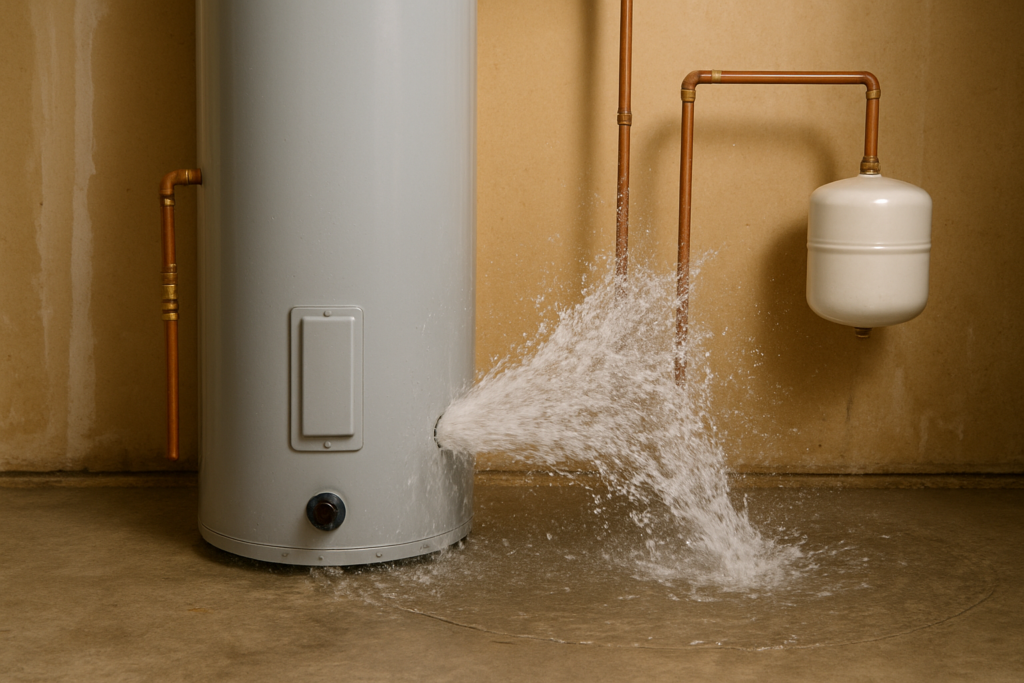
When a burst water heater occurs, the immediate priority is safety. Homeowners should locate the cold-water shutoff valve on top of the tank and turn it clockwise to stop the water flow. If the valve is inaccessible, shutting off the main water supply line to the house is essential. Next, disconnect the power source. For electric units, flip the breaker in the electrical panel. For gas heaters, turn the gas control knob to “off” and close the gas supply valve.
Why do water heaters burst?
Several factors contribute to sudden water heater failure. Excessive pressure buildup inside the tank, often caused by a malfunctioning temperature and pressure relief valve, can lead to rupture. Corrosion is another common culprit, as rust weakens the tank walls over time. Sediment buildup at the bottom of the tank can also cause overheating, stressing the system. Improper installation or lack of maintenance further increases the risk.
How can homeowners minimize damage after a burst?
Once the water supply and power are off, draining the remaining water from the tank helps reduce flooding. This can be done by attaching a hose to the drain valve at the bottom of the heater. Homeowners should also move valuables away from the affected area and use towels or wet vacuums to control standing water. Contacting professionals for water heater leak repair ensures the problem is properly diagnosed and resolved.
How can homeowners prevent future water heater emergencies?
Preventive maintenance is key. Flushing the tank annually removes sediment buildup, while inspecting the anode rod helps prevent corrosion. Checking the temperature and pressure relief valve ensures it functions correctly. Scheduling routine inspections with plumbing professionals reduces the likelihood of catastrophic failure. Preventive care not only extends the lifespan of the heater but also safeguards the home from unexpected damage.
Why is professional help critical in water heater emergencies?
Attempting DIY repairs on a burst water heater can be dangerous. Electrical hazards, gas leaks, and structural damage require expert intervention. Licensed plumbers have the tools and knowledge to assess whether repair or replacement is necessary. In severe cases, water damage restoration specialists may also be needed to dry and repair affected areas. For urgent situations, homeowners can rely on Emergency Water Heater Repair Services in San Marcos, TX, to restore safety and comfort quickly.
Conclusion
A burst water heater is a serious emergency that demands immediate action. Shutting off water and power, draining the tank, and contacting professionals are the most effective water heater emergency steps. Preventive maintenance, timely inspections, and professional repairs reduce the risk of recurrence. For homeowners seeking reliable solutions, Woods Comfort Systems provides trusted expertise to restore safety and comfort after such incidents.
FAQs (Frequently Asked Questions)
1. Can a burst water heater cause an explosion?
Yes, if excessive pressure builds up and the relief valve fails, explosions are possible. Regular inspections prevent this risk.
2. How much water can leak from a burst heater?
A standard 50-gallon tank can release its entire capacity within minutes, flooding large areas of a home.
3. Should insurance cover water damage from a burst heater?
Most homeowner policies cover sudden water damage, but coverage varies. Documenting the incident with photos helps claims.
4. How long does a water heater last before bursting?
Typical lifespans range from 8–12 years. Units older than this are more prone to leaks or rupture.
5. Is it safe to repair a leaking water heater myself?
Minor leaks from fittings may be manageable, but internal tank leaks usually require professional replacement.
About The Author

 Reasons Why My AC Might Be Blowing Warm Air
  Window Replacement in Calgary: Cost Guide & Energy-Efficient Options for Alberta
Winters
Window Replacement in Calgary: Cost Guide & Energy-Efficient Options for Alberta
Winters  Why Plumbing Inspections Are Becoming Essential for Modern Homeowners