
Commercial Plumbing Maintenance in Chicago: Why Businesses Need a Proactive Plan
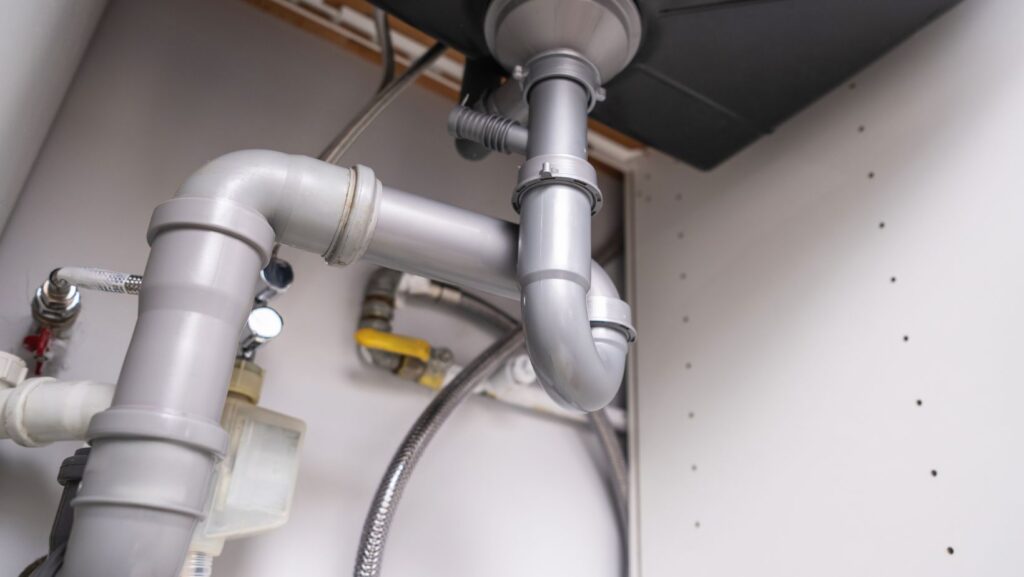
Plumbing systems are vital to the smooth operation of any business, but many business owners in Chicago overlook the importance of regular maintenance. Plumbing issues such as clogged drains, leaking pipes, or burst water lines can cause operational disruptions, incur costly repairs, and harm a company’s reputation. For Chicago businesses, maintaining a well-functioning plumbing system is not just a matter of convenience; it’s an essential part of running a successful, efficient business.
In this post, we’ll explore why Commercial Plumbing Chicago is so crucial for businesses and outline the common plumbing problems Chicago businesses face. We’ll also dive into how businesses can benefit from a proactive plumbing maintenance plan, including cost savings and reducing downtime.
The Importance of Regular Plumbing Maintenance for Businesses
Plumbing systems are under constant stress in commercial settings due to high usage and frequent demand. Over time, wear and tear can lead to blockages, leaks, and other plumbing problems that disrupt operations and compromise safety. A proactive maintenance plan can help prevent these issues before they become emergencies.
How Commercial Plumbing Can Impact Your Business Operations
For Chicago businesses, plumbing issues can have significant impacts. A clogged drain, broken pipe, or malfunctioning toilet may not seem like a big deal, but they can quickly escalate into larger problems that halt business operations. For example:
- Restroom Issues: A clogged or overflowing toilet can cause a sanitation problem, leading to customer dissatisfaction and health concerns.
- Water Supply Problems: A malfunctioning water heater or broken pipe can disrupt your ability to serve customers or carry out daily operations, especially in industries like foodservice or hospitality.
- Flooding: Burst pipes or blocked sewer lines can cause water damage to your property, inventory, and equipment, resulting in expensive repairs and downtime.
In industries such as hospitality, healthcare, and retail, plumbing systems must operate efficiently at all times. Regular maintenance ensures that minor problems are addressed before they can cause significant disruptions.
Common Plumbing Problems in Chicago Businesses
Just like in residential plumbing, Chicago business plumbing services face their own set of challenges. From old pipes in historic buildings to new construction with tight plumbing systems, commercial properties often require more complex plumbing care.
Clogged Drains and Toilets in Commercial Spaces
In high-traffic commercial spaces like restaurants, offices, and retail stores, clogged drains and toilets are a common problem. Clogged toilets in commercial buildings are often the result of flushing non-dissolvable items such as paper towels, wipes, or sanitary products. Drain blockages may also occur from grease, food waste, soap, or hair.
Prevention Tips for Clogged Drains and Toilets:
- Educate employees and customers on proper toilet usage.
- Install drain covers to catch debris.
- Schedule regular drain cleanings to prevent grease and waste buildup.
Pipe Leaks and Burst Pipes in Commercial Buildings
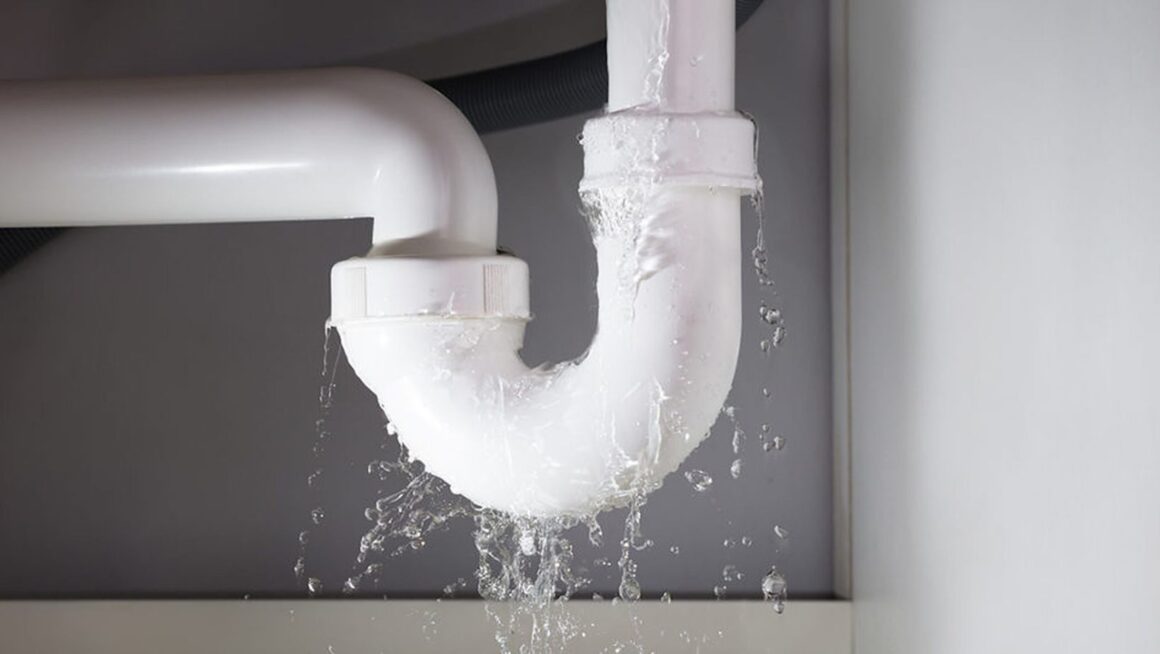
Leaky pipes or burst pipes in commercial buildings are a serious concern in Chicago due to the city’s freezing winter temperatures. Pipes exposed to the cold can freeze and burst, leading to water damage and business interruption. Even small leaks can quickly escalate into costly problems if not addressed promptly.
Preventing Leaky or Burst Pipes:
- Insulate pipes in exposed areas like basements and attics.
- Regularly check for signs of leaks around water fixtures.
- Perform routine inspections to spot and replace damaged pipes before they fail.
The Benefits of Preventive Plumbing Maintenance for Your Business
A proactive commercial plumbing maintenance plan can save your business money and reduce the risk of unexpected plumbing issues. Here are some of the key benefits of scheduling regular plumbing maintenance.
Prevent Downtime and Operational Disruptions
One of the biggest advantages of having a regular plumbing maintenance plan is that it helps prevent downtime. A plumbing emergency can shut down your business for hours or even days, which can result in lost revenue and productivity. By catching problems early, you can address them before they escalate into larger, costlier issues.
Routine plumbing inspections also help identify areas where repairs or upgrades are needed. Early intervention can prevent small leaks from turning into major floods and help ensure that plumbing systems are functioning efficiently, minimizing interruptions to your daily operations.
Cost Savings in the Long Run
Many businesses view plumbing maintenance as an unnecessary expense, but in reality, regular maintenance can save your company money in the long run. Fixing minor problems early is far less costly than dealing with major plumbing failures. Additionally, maintaining an efficient plumbing system can help reduce water bills and increase the lifespan of plumbing fixtures.
How Preventive Maintenance Saves Money:
- Lower Repair Costs: Small leaks or clogs are far cheaper to fix than large-scale pipe replacements or emergency repairs.
- Reduced Water Bills: Well-maintained plumbing systems reduce water wastage, helping you save on monthly utility bills.
- Increased Lifespan of Equipment: Regular maintenance extends the life of plumbing systems, fixtures, and appliances like water heaters and dishwashers.
How Often Should Chicago Businesses Schedule Plumbing Inspections?
Scheduling plumbing inspections regularly is key to a proactive maintenance plan. However, the frequency of inspections will depend on the type of business and the age of the plumbing system.
Recommended Maintenance Schedule for Commercial Plumbing
For most Chicago businesses, annual plumbing inspections are sufficient to identify potential problems before they become major issues. However, businesses in certain industries, such as restaurants, hotels, or healthcare facilities, may require more frequent inspections due to high water usage or stricter sanitation requirements.
For newer buildings, once-a-year inspections may be adequate, while older buildings with aging plumbing systems should have inspections every six months. Additionally, scheduling inspections before peak seasons or after significant weather events (like heavy rain or snow) can help catch issues that may have developed during those times.
Conclusion
A well-maintained plumbing system is essential for keeping your Chicago business running smoothly. Plumbing issues like clogs, leaks, and burst pipes can cause downtime, lead to costly repairs, and damage your reputation. By scheduling regular plumbing inspections and creating a proactive maintenance plan, you can minimize the risk of plumbing emergencies, improve system efficiency, and save money in the long term.
For Chicago plumbing services, contact Baethke Plumbing. Our experienced plumbers offer comprehensive inspections, preventive care, and emergency services to ensure your plumbing system operates at its best year-round.
About The Author

 How to Compare Personal Loan Options: A Framework for Home Repair Financing
  How a Small Roof Leak Can Mutate Into a Big Repair Bill
  Home Features and Finishes That Scream ‘Low-Maintenance’