
How to Mouse Proof Your Home Before Winter
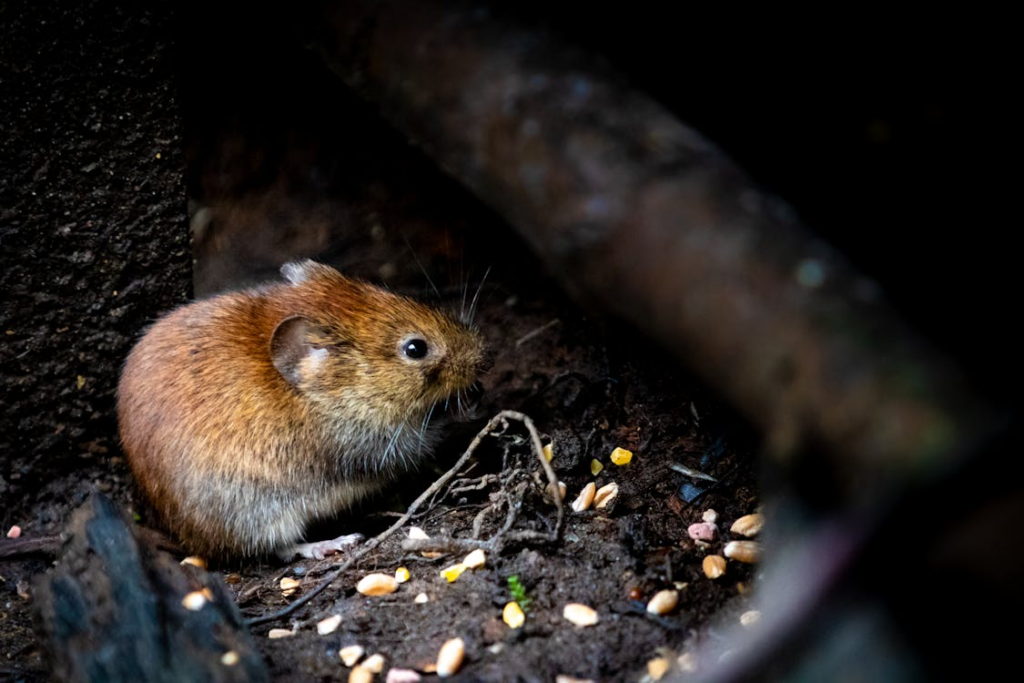
Winter is right here, and with the dropping temperatures, early snowfalls send mice scrounging indoors for warmth and food. Homes that were once closed during hotter months have the best chances of abruptly becoming exposed as rodents slip into small gaps and overlooked entry points. Beyond simply being annoying, mice chew at wires, damage insulation, spoil food kept, and pollute living areas. Getting your own home ready for winter is far less demanding than fighting with an infestation once freezing weather has set in. Here are practical steps on how to mouse-proof your home before the onset of winter.
Inspect Foundations and Exterior Entry Points
Thoroughly examine the foundation, siding joints, and places where cabling or pipes enter. Following that, check dark corners, window wells, and locations blocked by shrubs or patios using a flashlight. This would identify the problematic areas before work could start, using notes or photographs.
Watch for signs such as droppings, chew marks, and oily rub lines on walls and corners. Usually, these markers point to ongoing mouse traffic as opposed to single visitations. Early detection of such weak spots helps one to give repairs priority and stop mice from entering for the season.
Seal Gaps with Steel Wool and Caulk
Close openings with chew-proof materials. Stuff the openings tightly with steel wool, then caulk from the outside to lock everything. Thus blocking the way for both cold air and rodents. Special attention must be given to utility penetrations, vents, and foundation seams.
Once the sealing and trapping process begins, some homeowners feel reassured in employing reliable pest control and prevention professionals. Experts offer a broader view of preventing household pests and effectively spotting hidden entry points inside walls or crawl spaces that can be easily overlooked.
Add Door Sweeps and Repair Weather Stripping
Doors are really some of the widest sources of mouse access, and those include basement doors, garage doors, and side doors. Fitted snugly, the door panel under a closed door should leave invisibly apparent space. Even in a narrow instant, atmospheric conditions can provide a way in. Test doors by shining a light from inside and checking for leaks.
The weather stripping around door frames should be checked to determine the condition of each part. Then, if they are spongy or any part is cracked, negotiate a replacement. These worn seals let drafts and scents in, usually followed by mice. These easy changes also increase energy efficiency and help to keep indoor temperatures more constant.
Store Food Properly and Reduce Interior Clutter
Mice come to houses both for warmth and for food sources. Tight lids on sealed metal or sturdy plastic canisters preserve pantry supplies, birdseed, and pet food. Leaving food in cardboard boxes is terrible since these may quickly be eaten through such wrapping.
Reducing clutter must also be done since this area inside houses, especially in basements and storage rooms, contains heaps upon heaps of boxes with all forms of paper and some fabric. They have built the ideal nesting area. Organized spaces also offer early spotting of droppings or damage and a quick response.
Set Traps Safely and Manage Garages and Outbuildings
If there are still mice around, set traps parallel to the walls’ likely travel routes for the rodents. Enclosed or tamper-resistant traps should be utilized in cases of homes with children and pets. Daily check traps as well for mice removal to prevent odor or hygiene concerns. Because scattering poisons creates secondary risks indoors, avoid it.
To barns, sheds, and garages, use the same mouse-proofing methods. These areas sometimes function as staging grounds before mice infiltrate the primary home. Securing outbuildings reduces overall rodent pressure as winter temperatures continue to drop.
Endnote
Mouse-proofing one’s house in anticipation of winter has the effect of saving the house from some damage that could very well be expensive to repair, and saving major health concerns. Much more serious for mice, the diseases they carry include hantavirus, making them particularly problematic in preventative efforts in colder regions. A complete analysis based on inspection, sealing, food management, and safe trapping builds a great defensive line.
About The Author

 Signs Your Home May Have Foundation Problems
  Upgrade Your Home with Australia’s Finest Security Doors
  The 2026 DIY Home Energy Audit That Actually Lowers Your Bills