
A Simple Guide to Choosing Secure Lockable Sliding Doors for Your Home
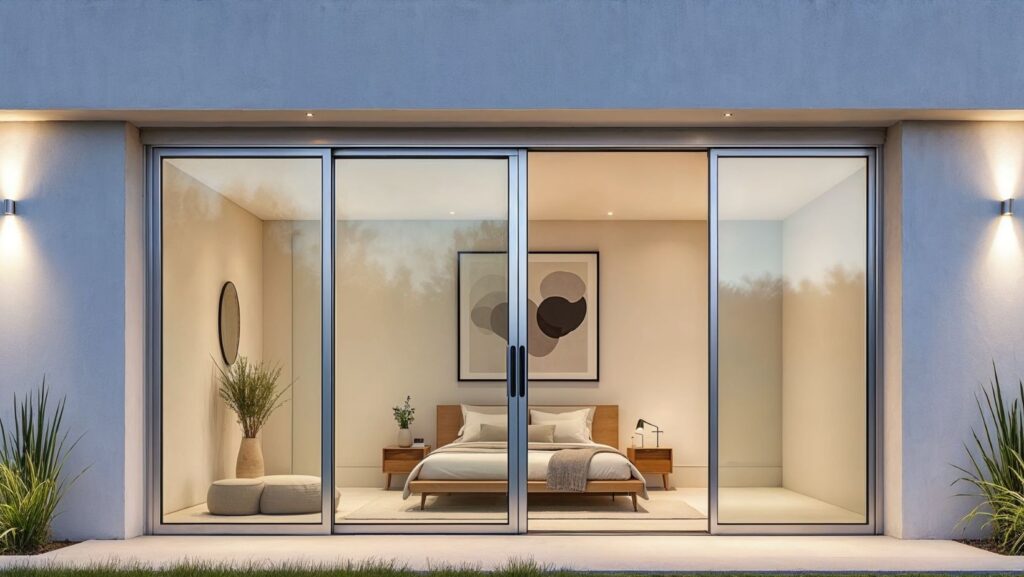
Sliding doors have become a favourite feature in modern homes. They’re sleek, let in plenty of natural light, and make it easy to move between indoor and outdoor areas. But even with all their benefits, many homeowners still have one big question on their minds: Are sliding doors actually secure?
The good news is that today’s lockable sliding doors are far stronger and safer than the older styles many people remember. Advances in locking systems, reinforced frames, and impact-resistant glass have made them a reliable option for exterior access points.
In this guide, we’ll break down the key security features to look for—locks, glass strength, frame materials, and track design—so you can choose a sliding door that offers both everyday convenience and long-term peace of mind.
Why Security Matters for Sliding Doors
Sliding doors are commonly used for side entries, back entries, and other exterior access points—areas that tend to be more private and less visible from the street. This makes security an important consideration, especially for homeowners thinking about break-in resistance and overall home protection.
Older sliding doors typically relied on a basic latch, which offered very little defence against forced entry. Many could even be lifted off their tracks, creating a real security risk. Because of this, sliding doors earned a reputation for being less secure than hinged alternatives.
Modern designs have changed that completely. Today’s lockable sliding doors use stronger locking systems, reinforced frames, tempered or laminated glass, and anti-lift mechanisms that keep the door firmly in place. These upgrades address the common safety concerns associated with older models and provide a much higher level of home security.
With the right features, a sliding door can be just as secure as any other exterior door—while still offering the light, airflow, and ease of use that homeowners love.
Modern Locking Systems That Improve Safety
One of the biggest improvements in lockable sliding doors is the advancement in locking hardware. Older models relied on simple latches that offered little resistance, but modern systems are designed specifically to prevent tampering and forced entry.
Mortise locks are now a common standard. These locks sit inside the door frame and use a stronger internal mechanism, making them far more secure than surface-mounted latches.
For even greater protection, multi-point locking systems secure the door at several points along the frame. When you turn the key or handle, multiple hooks or bolts engage at once. This makes it much harder for anyone to pry or bend the door open.
Many homeowners also prefer keyed locks that allow secure access from outside, giving you more control over who can enter from that door.

As an extra layer of protection, foot bolts or secondary locks can be added to prevent the door from sliding—even if the main lock is compromised. These locks are simple, effective, and especially useful at night.
Together, these modern locking mechanisms outperform basic latch systems in every way. They’re designed to resist tampering, withstand force, and keep your home secure without sacrificing everyday convenience.
Strong Glass for Better Protection
The glass you choose plays a major role in how secure a sliding door actually is. Older doors often used standard glass, which could shatter easily. Modern options are far stronger and designed to resist impact.
Tempered or toughened glass is one of the most common upgrades. It’s heated and cooled in a way that makes it much harder to break than regular glass. If it does happen to fail, it shatters into small, blunt pieces rather than dangerous shards.
For even better protection, laminated glass is a smart choice. It’s made by bonding layers of glass around a strong inner film. Even if the outer surface cracks, the glass stays in place, making it extremely difficult to push through.
Double-glazed panels add both strength and insulation. The added layer creates more resistance to impact, while improving energy efficiency at the same time.
These shatter-resistant options provide a much safer barrier for exterior entries and give homeowners peace of mind that the glass itself won’t be an easy point of intrusion.
Frame Materials That Increase Door Security
The frame plays a huge role in how secure a sliding door really is. A strong, stable frame supports the lock, holds the glass firmly in place, and prevents the door from flexing under pressure. Here are the most common options:
- Aluminium: Strong, rigid, and low maintenance. Excellent structural stability and ideal for exterior use. Supports modern locking systems well.
- uPVC: Offers good insulation and can be reinforced for added strength, but generally less rigid than aluminium.
- Timber: Visually appealing and traditional, but needs regular maintenance to avoid swelling or warping. Any movement in the frame can affect lock alignment and reduce security.
Why it matters: If the frame isn’t stable, even the best locking system won’t perform properly. A strong frame keeps everything aligned, secure, and resistant to forced entry.
Ventilation Locks for Fresh Air + Safety
Ventilation locks are a simple but effective feature that many homeowners overlook. These locks allow the sliding door to stay partially open while still remaining securely locked in place. It’s an easy way to enjoy fresh air without compromising safety.
They’re especially useful for families with young children or pets, as the door stays fixed at a controlled opening that can’t be widened from the outside. This keeps airflow moving through the home while preventing unwanted access.
Ventilation locks are also handy in warmer months when you want natural cooling without opening multiple windows or leaving a door unsecured. They offer a practical balance between airflow and protection, making them a worthwhile addition to any lockable sliding door.
Final Tips for Maximising Door Security
Professional installation is one of the best ways to ensure your sliding door performs as intended. A well-fitted frame and correctly aligned track help the lock engage properly and prevent gaps that could weaken security.
It also helps to pair the door with good exterior lighting or motion sensors. These simple additions increase visibility at entry points and act as a deterrent.
Regular maintenance keeps everything operating smoothly. A quick clean of the tracks, occasional lubrication of rollers, and a check of the locking mechanism can make a big difference in long-term performance. Testing the door periodically ensures it stays secure and easy to use year-round.
Conclusion
Modern lockable sliding doors offer far stronger security than older designs, thanks to improved locks, reinforced frames, better glazing, and anti-lift features. With the right combination of materials and hardware, they provide a safe, practical, and stylish option for everyday home living.
For homeowners seeking aluminium lockable sliding doors in Perth, Ross’s Discount Home Centre offers durable designs built for everyday use and long-term peace of mind.
About The Author

 Outdoor Tile Trends Homeowners Are Choosing Instead of Plain Concrete in 2026
  How to Safely Pressure Wash Roofs and Gutters
  How to Plan Exterior Lighting for Safety and Style