
Architectural Trends for Outdoor Spaces in 2025
Quick Answer
Outdoor spaces in 2025 are being reimagined as functional, year-round extensions of the home, prioritizing safety, accessibility, and low-maintenance materials. Canadians are gravitating toward clean lines, integrated lighting, and seamless transitions between indoors and out. Railings are no longer just guardrails – they’re design elements that enhance flow and function. Durable finishes, universal access features, and climate-resilient materials define the new standard. The focus has shifted from decoration to durability, ensuring every step, turn, and view remains safe and inviting through snow, rain, and sun.
Introduction
There’s a quiet revolution happening in backyards and balconies across Canada. Gone are the days when outdoor spaces were afterthoughts – cluttered with mismatched furniture and flimsy railings that creaked under winter snow. Today, homeowners are treating their decks, patios, and stairways as true extensions of their homes.
This shift isn’t driven by fleeting fads, but by lived experience: longer, harsher winters, a growing emphasis on accessibility, and a desire for spaces that require less upkeep and more meaning.
When you step outside now, you’re not just stepping into a yard – you’re entering a thoughtfully designed zone that balances safety, style, and sustainability. And at the heart of this transformation? A material once overlooked: aluminum outdoor railings. Its strength, resistance to corrosion, and ability to be shaped into sleek, code-compliant forms make it the quiet hero of 2025’s outdoor design landscape.
Key Design Trends Shaping Outdoor Spaces in 2025
Outdoor living trends are no longer defined by patio sets and string lights.
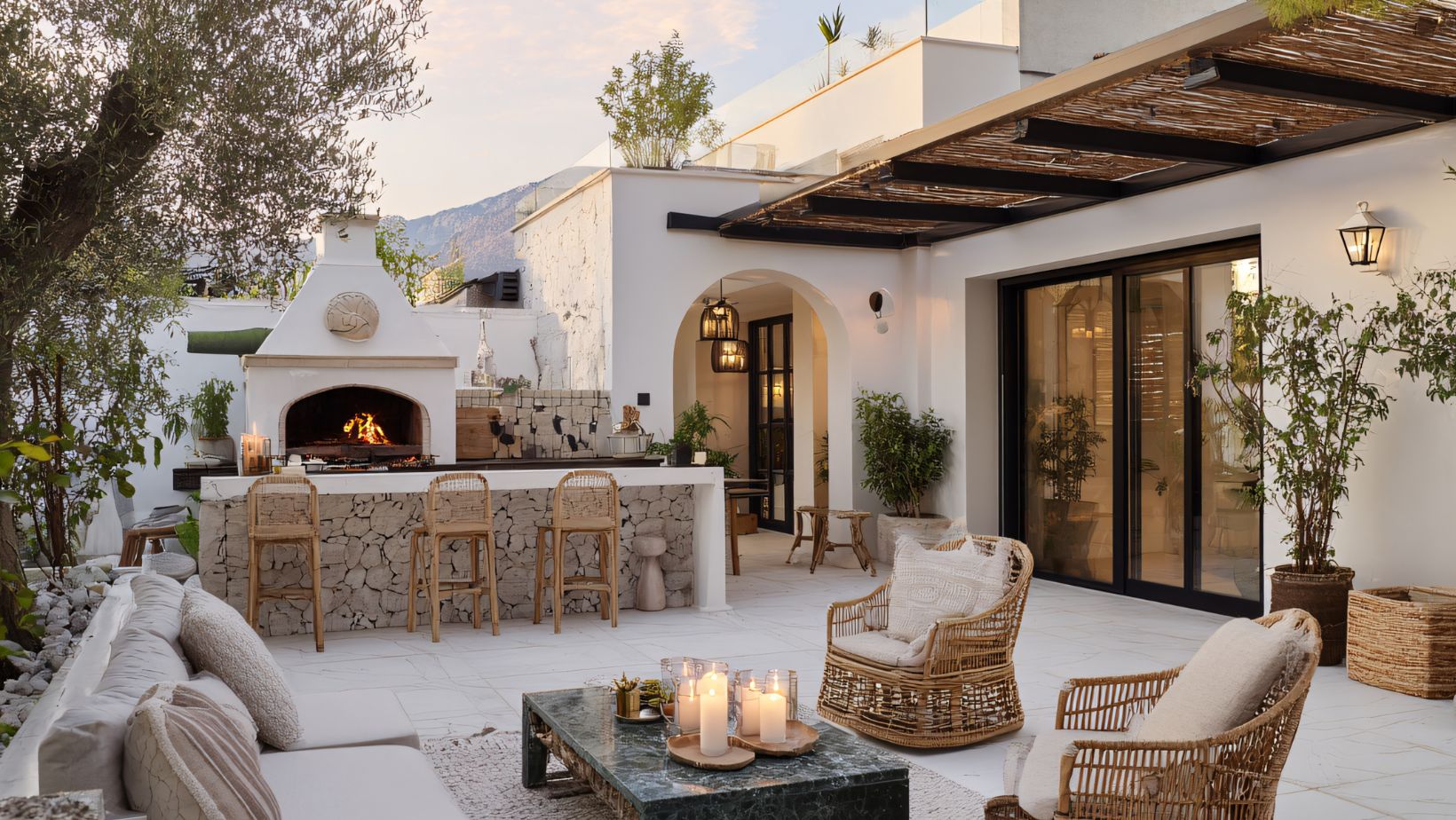
It’s evolving into something more intentional – spaces that respond to how we live, move, and connect throughout the year.
1. Seamless Indoor-Outdoor Transitions
The boundary between inside and out is blurring. Homeowners are opting for floor-to-ceiling glazing, continuous flooring materials like porcelain or concrete-look composite, and zero-threshold entries. Railings play a quiet but critical role here: slim profiles, frameless glass infills, and hidden mounting systems preserve sightlines and make the transition feel effortless. The goal isn’t to expand square footage – it’s to expand feeling.
2. Universal Design as Standard
Accessibility is no longer a niche consideration – it’s expected. Wider stair treads (minimum 280 mm), consistent riser heights, and handrails on both sides are becoming baseline requirements, even in private homes. This isn’t just about compliance; it’s about longevity. A railing that supports a senior parent today can just as easily serve a child learning to walk tomorrow.
3. Monochromatic & Nature-Inspired Palettes
Black, charcoal, and deep bronze dominate new installations – not because they’re trendy, but because they fade into the background. These tones absorb less heat in summer, reduce visual clutter, and harmonize with stone, wood, and evergreen foliage. For those preferring lighter tones, soft greys and muted taupes offer a clean, airy feel without sacrificing durability.
4. Integrated Lighting
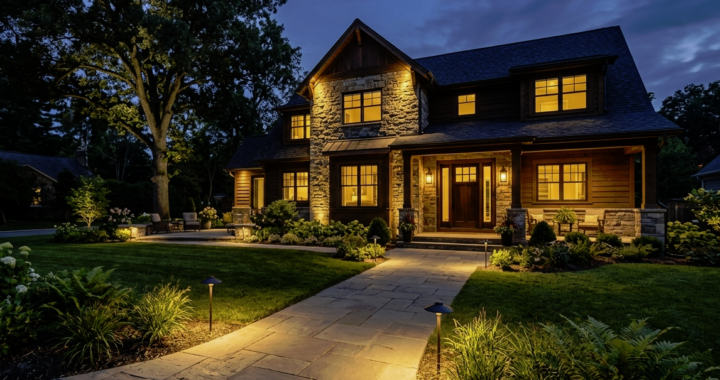
Lighting has moved from decorative afterthought to essential safety feature. LED strips embedded into handrail caps or beneath stair treads provide subtle, shadow-free illumination. Motion sensors activate pathways at dusk, while low-voltage systems minimize energy use. The best installations don’t draw attention to the light – they draw attention away from it, letting the space speak for itself.
5. Multi-Functional Railings
Today’s railings do more than guard. They double as planter ledges for hardy perennials, low seating for casual conversations, or windbreaks on exposed balconies. Vertical garden inserts, modular bench extensions, and slatted panels that diffuse breeze without blocking view are gaining traction – especially in cities where every square foot counts.
These landscape design trends aren’t isolated. They’re interconnected. A single railing system can embody all five: a powder-coated aluminum frame in matte black, with integrated LED lighting, a width that meets accessibility codes, and a top rail that doubles as a planter for native grasses. The result isn’t just safe – it’s serene.
Material Choices That Last Through Canadian Winters
Choosing outdoor materials in Canada isn’t just about curb appeal – it’s about survival. The freeze-thaw cycle, prolonged snow cover, and corrosive de-icing salts create a punishing environment that quickly exposes weak points in any structure.
- Aluminum continues to stand out, not because it’s the cheapest or flashiest option, but because it performs consistently across seasons. Unlike steel, which begins to pit and rust when protective coatings fail, aluminum forms a passive oxide layer that naturally resists corrosion. When paired with a high-quality powder-coated finish, it maintains both integrity and appearance for decades.
- Wood, while still popular for its warmth and texture, demands ongoing maintenance. Even pressure-treated varieties require sealing every one to two years to prevent splitting, warping, and fungal growth – especially on stair treads and rail posts exposed to standing water. Composite alternatives offer better resilience but can fade or become brittle over time if not UV-stabilized.
- Glass infills, increasingly used in modern installations, must be tempered to meet safety standards and framed properly to handle lateral loads. They’re ideal for preserving views but need regular cleaning in snowy climates where ice buildup can obscure transparency.
- Stainless steel hardware is non-negotiable. Standard fasteners will corrode within a few seasons, compromising structural stability. Look for 316-grade stainless steel – its resistance to chloride makes it suitable for coastal areas and regions with heavy road salting.
The smartest builds combine material strengths: aluminum frames with stainless fittings, composite decking with integrated drainage channels, and glass panels secured in thermally broken clamps that prevent condensation and stress cracking.
It’s not about avoiding maintenance altogether – it’s about designing modern outdoor spaces where upkeep is minimal, predictable, and doesn’t require refinishing, repainting, or replacement after five harsh winters.
About The Author

 Outdoor Tile Trends Homeowners Are Choosing Instead of Plain Concrete in 2026
  How to Safely Pressure Wash Roofs and Gutters
  How to Plan Exterior Lighting for Safety and Style